Oil & Gas
Tanzania Launches $273m Fuel Storage Expansion at Dar es Salaam Port
New petroleum storage tanks expected to boost fuel reserves, reduce tanker delays and strengthen Tanzania’s position as a regional energy hub.
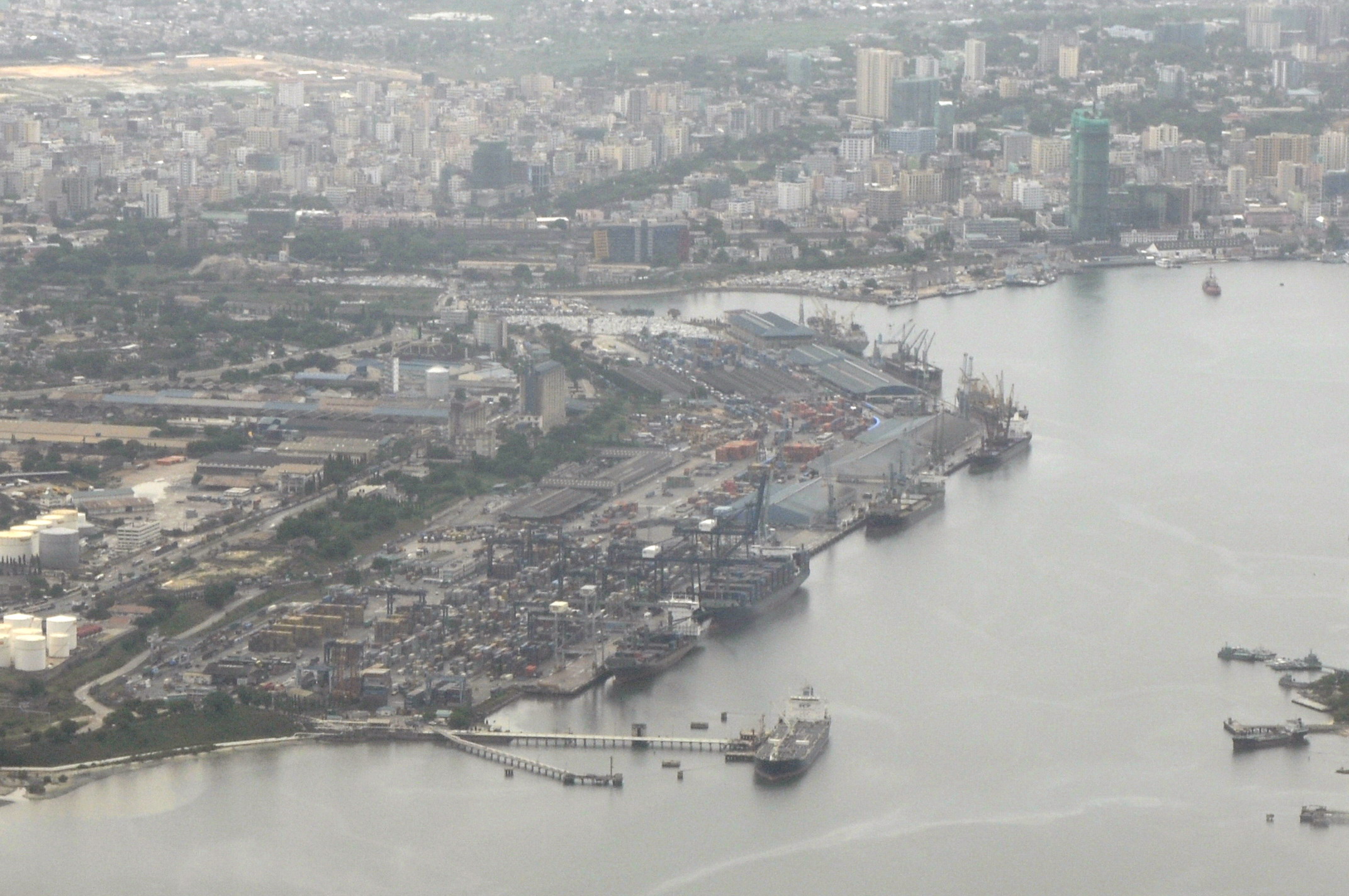
Tanzania has launched a $273 million project to expand petroleum storage capacity at the Port of Dar es Salaam as part of efforts to strengthen energy security and improve fuel supply logistics.
President Samia Suluhu Hassan presided over the groundbreaking ceremony for the construction of 15 petroleum storage tanks at the port. The project, which began in 2024, carries an estimated cost of 701.8 billion Tanzanian shillings and will add 378,000 cubic metres of fuel storage capacity.
A statement from the presidency indicated that construction work is already 41 per cent complete.
Hassan stated that the development will allow the Tanzania Ports Authority to operate its own petroleum storage tanks, improving the country’s ability to maintain adequate fuel reserves for longer periods.
The expansion is expected to significantly improve the port’s ability to handle petroleum cargo while reducing the time vessels spend waiting to unload.
Authorities project that tanker turnaround time will fall from an average of 22 days to about seven days per vessel once the facility becomes operational.
The improvement will also eliminate demurrage charges, fees imposed on delayed ships, which are estimated at about $25,000 for each delay and are frequently passed on to consumers through higher fuel prices.
Director General of the Tanzania Ports Authority, Plasduce Mbossa, stated that the project forms part of the port’s long-term master plan aimed at improving operational efficiency and strengthening the sector’s contribution to the national economy. He added that the expansion will also reinforce the Port of Dar es Salaam’s position as a regional gateway for energy supply.
The announcement comes at a time of heightened geopolitical tension involving Iran, Israel and the United States, with Tehran declaring the closure of the Strait of Hormuz, a major global oil transit route. The strait handles close to 20 per cent of the world’s daily oil consumption, based on data from the U.S. Energy Information Administration.
Related Stories



Sign up for our newsletter.
Get the latest news, expert analysis, and industry insights delivered straight to your inbox. Join thousands of professionals shaping the future of energy.
By submitting my information, I agree to the Privacy Policy and Terms of Service.