Oil & Gas
Algeria to Begin Trans-Saharan Gas Pipeline Construction After Ramadan
Algeria says construction of the $13 billion Trans-Saharan Gas Pipeline linking Nigeria, Niger and Algeria will begin after Ramadan to supply gas to Europe.
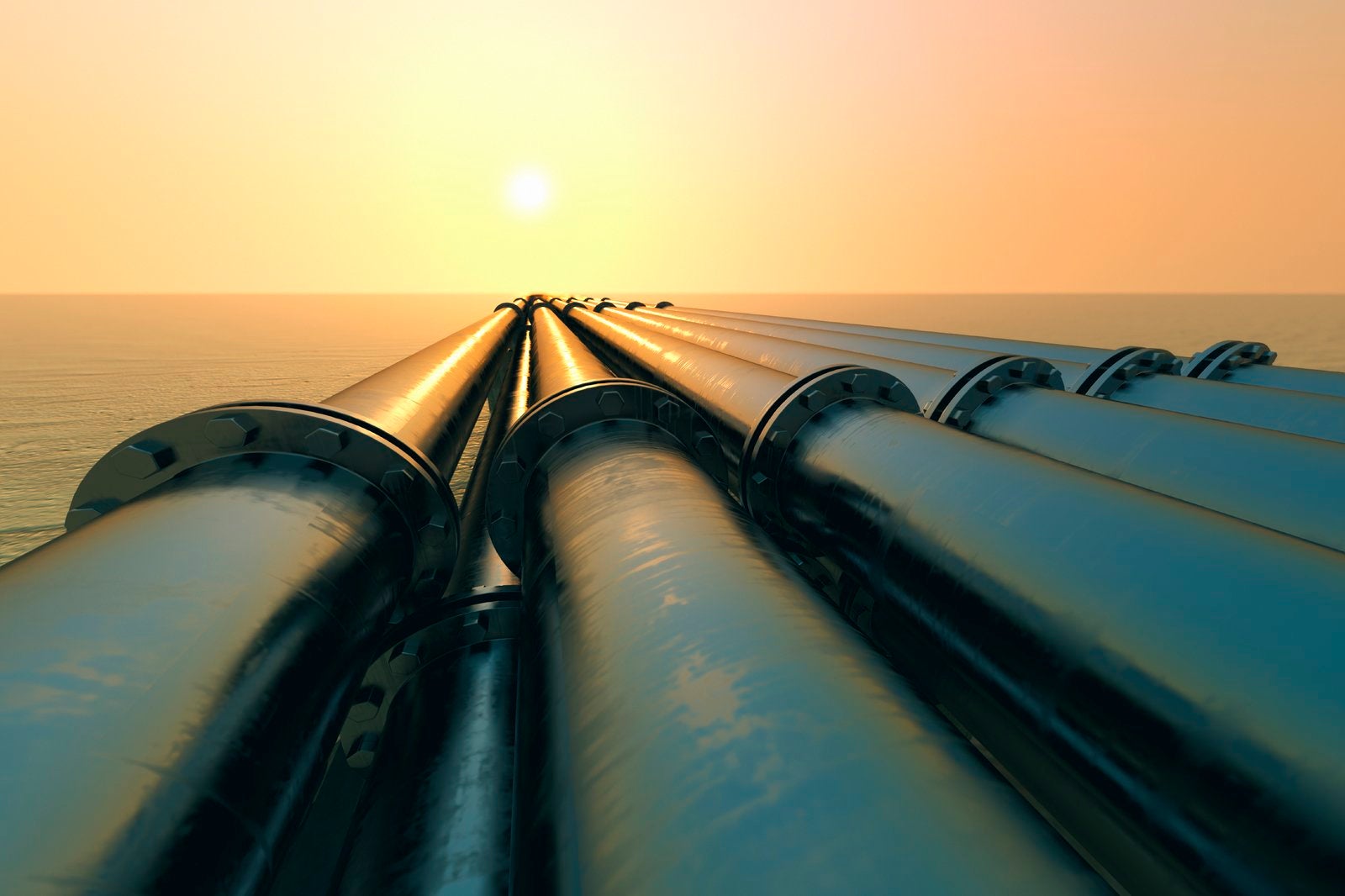
Algeria will begin construction of the long-planned Trans-Saharan Gas Pipeline (TSGP) immediately after the holy month of Ramadan, pushing ahead with a major regional infrastructure project.
Algerian President, Abdelmadjid Tebboune, announced the development during a joint press conference in Algiers with Niger’s head of state, Abdourahamane Tchiani, according to the Algeria Press Service.
The Trans-Saharan Gas Pipeline is a proposed 4,128-kilometre natural gas pipeline designed to transport gas from southern Nigeria through Niger to Algeria, where it will be exported to Europe through existing Mediterranean pipelines.
Tebboune confirmed that Algeria and Niger had agreed to proceed with implementation of the pipeline across Niger’s territory. He added that Algeria’s state-owned energy company, Sonatrach, would oversee the project and begin laying the pipeline that will cross Niger.
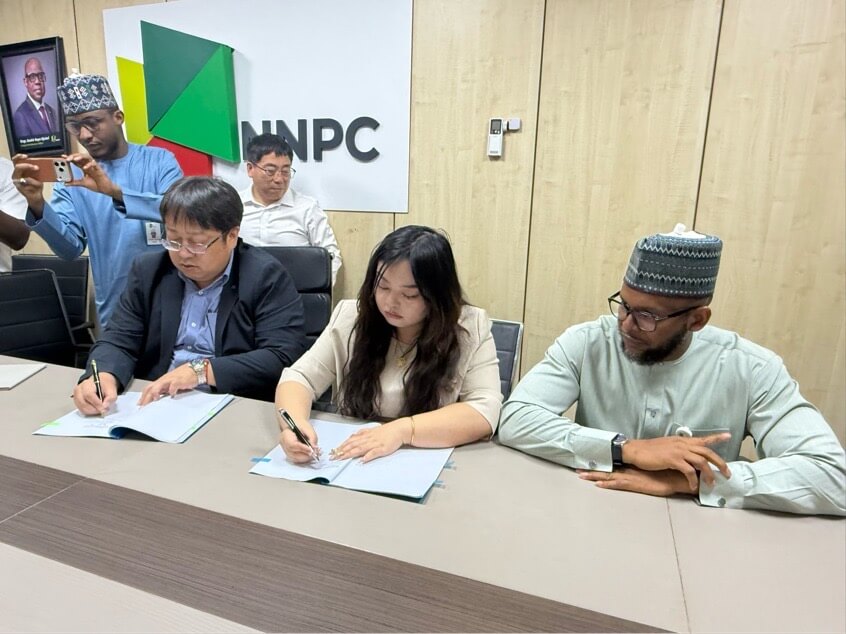
Nigeria, Algeria and Niger signed agreements in February 2025 covering feasibility studies, financing frameworks and confidentiality arrangements aimed at accelerating the project’s implementation. The cross-border project is estimated to cost about 13 billion dollars and will have an annual capacity of roughly 30 billion cubic metres of gas.
The pipeline will run from the Warri region in southern Nigeria through Niger to Algeria’s Hassi R’Mel gas hub, where it will connect to export routes across the Mediterranean, including the Trans-Med, Medgaz and Maghreb-Europe pipelines.
Algeria’s portion of the pipeline is 2,300 km while Nigeria’s is 1,030 km and Niger's is 841 kilometres.
In March 2025, UK-based international energy consultancy Penspen was appointed to update the feasibility study it had earlier delivered in 2006. The updated study includes regional gas market analysis, environmental and social impact assessments, economic and financial evaluation, cost estimation, legal reviews and stakeholder consultations. It will also outline risk analysis and develop a scope of work for the project’s Front-End Engineering Design phase.
The pipeline is structured as a trilateral partnership involving the state-owned energy companies of the participating countries. Nigeria’s Nigerian National Petroleum Company (NNPC) and Algeria’s Sonatrach jointly hold 90 per cent of the project, while Niger holds the remaining 10 per cent through its state energy company, SONIDEP.
Related Stories
Sign up for our newsletter.
Get the latest news, expert analysis, and industry insights delivered straight to your inbox. Join thousands of professionals shaping the future of energy.
By submitting my information, I agree to the Privacy Policy and Terms of Service.