Climate & Sustainablity
COP31: Türkiye, Australia Unveil Innovative COP of the Future Partnership
The incoming Presidency of COP31 announces a unique Türkiye–Australia partnership to jointly lead the 2026 climate summit, with Türkiye hosting the World Leaders’ Summit in Antalya and Australia steering key negotiations.
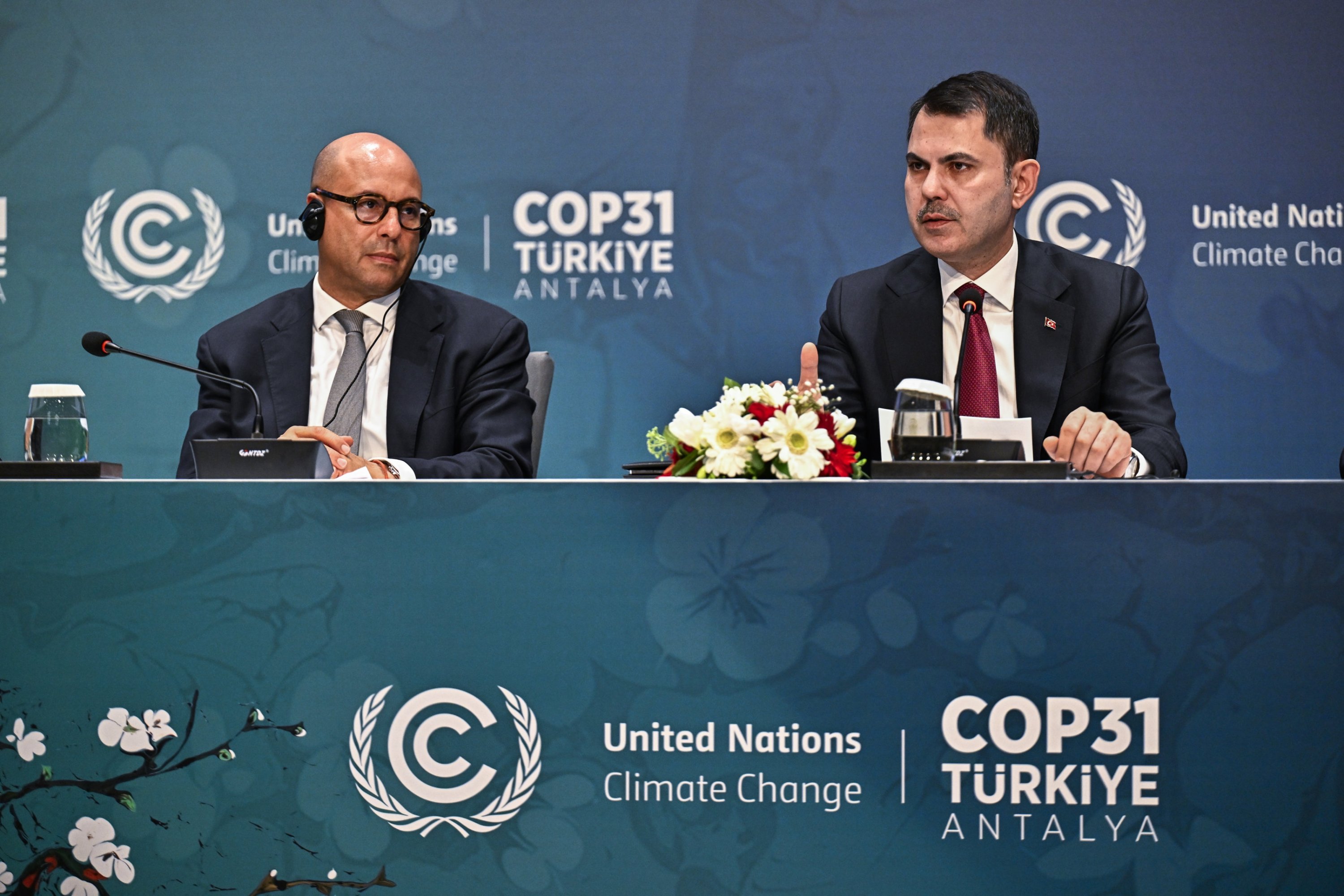
The President-Designate of COP31 has unveiled a new governance structure for the upcoming United Nations climate summit, introducing a dual leadership model that separates political oversight from negotiation authority between Türkiye and Australia.
In a formal communication dated April 13, Murat Kurum, COP31 President-Designate and appointee of Turkish President Recep Tayyip Erdoğan, formally introduced the priorities and structure of the upcoming 31st Conference of the Parties to world leaders and climate negotiators. The letter marks a significant departure from previous COP formats, unveiling a co-presidency model jointly led by Türkiye and Australia.
What are the Key Dates?
COP31 will be held in Antalya, Türkiye, with the flagship World Leaders' Summit scheduled for 11–12 November 2026. The summit is described as a pivotal moment for generating political momentum, enabling heads of state to announce new, concrete climate commitments and launch initiatives that address key gaps in the negotiations.
Ahead of the main conference, a Pre-COP meeting will take place in the Republic of Fiji from 5–8 October 2026, and will include a leaders' event in Tuvalu, a deliberate nod to Pacific island nations on the frontlines of climate change, ensuring diverse regional voices are reflected before negotiations begin in earnest.
A New Model: Türkiye and Australia Share the Helm
COP31 introduces a novel co-presidency arrangement, formally welcomed by COP30 last year. Under the Türkiye–Australia Partnership Modalities, Türkiye will hold the COP31 Presidency, host the conference in Antalya, and lead the Action Agenda, while a representative of Australia has been appointed as President of Negotiations with exclusive authority over the COP31 negotiation process.
Australia's Minister for Climate Change and Energy, H.E. Chris Bowen, has been confirmed as COP31 President of Negotiations. A joint letter from Kurum and Bowen outlining negotiation priorities across all climate pillars is expected in the coming weeks.
The co-presidency is underpinned by the Troika approach, which links the past COP30 presidency held by Brazil, the current COP31 presidency held by Türkiye and Australia, and the future presidency with all parties working in close cooperation with Azerbaijan and Brazil for continuity and stability.
Climate Champions
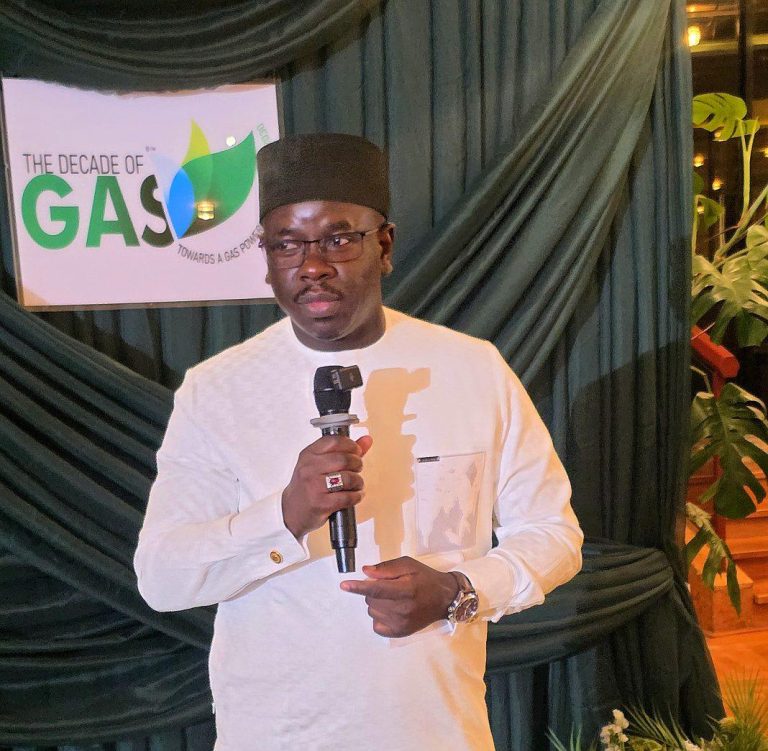
In his letter, Kurum announced that Samed Ağırbaş, Samed Ağırbaş, President of the Zero Waste Foundation, has been appointed COP31 Climate High-Level Champion. He will work closely with businesses, financial institutions, cities, regions, and civil society to accelerate implementation of the Action Agenda.
Sally Higgins has been appointed Youth Climate Champion. She comes from the Darling Downs in regional Queensland, Australia, and is described as a passionate advocate for climate change and for elevating the voices of young people in the global conversation.
H.E. Chris Bowen, in addition to his role as President of Negotiations, serves as Australia's key figure in the co-presidency, with full faith expressed by Kurum in his ability to deliver strong outcomes at COP31.
Guiding Principles: Dialogue, Consensus and Action
The COP31 Presidency has distilled its philosophy into three core principles. Dialogue is intended to strengthen participation and build trust among Parties.
Consensus will ensure that outcomes respect the unique circumstances of each country and that all parties feel ownership over results. Action means transforming commitments into concrete, balanced, and applicable outputs that the world can measure.
The presidency frames its overarching ambition as the "COP of the Future.'' an implementation-focused approach that applies the lessons of past conferences to deliver tangible and practical results for people and the planet.
Broad Action Agenda
Türkiye's priorities for the COP31 Action Agenda are built around six axes of the Global Climate Action Agenda and cover a wide range of sectors and communities.
The nine key focus areas are: strengthening the zero waste and circular economy approach; accelerating the clean energy transition; supporting green and low-carbon industrialisation; increasing the resilience of vulnerable regions, oceans, and seas; supporting food security and developing sustainable agricultural systems; and promoting climate-resilient and sustainable cities.
They also include strengthening financial and institutional mechanisms that support climate action; increasing the active participation of youth; and promoting cross-sectoral action to jointly address climate change, biodiversity loss, and land degradation.
The agenda reflects what Kurum describes as an integrated perspective encompassing resource efficiency, energy security, renewable energy, nature-based solutions, sustainable water utilisation, disaster-resilient infrastructure, local climate action, and multi-stakeholder partnerships. Türkiye's overarching objective is to mobilise finance, technology, and partnerships in support of vulnerable regions, while advancing climate action in harmony with sustainable development.
Executive Team
Five senior figures have also been appointed to lead the operational and strategic delivery of COP31. Fatma Varank, Deputy Minister of Environment, Urbanisation and Climate Change, will serve as COP31 Chief Executive Officer, overseeing the overall strategic framework, the substantive content of the process and Action Agenda, international negotiation preparations, inter-institutional coordination, and venue planning.
Ömer Bulut, also a Deputy Minister, will be responsible for construction and infrastructure, ensuring that conference venues and logistical facilities are prepared on time, in full, and to the highest standards.
Burak Demiralp, a third Deputy Minister, will be responsible for operational and logistical processes, including venue management.
Prof. Dr. Halil Hasar, Director of the Climate Change Directorate, will serve as Chief Climate Diplomacy Officer within the executive structure of the COP31 Presidency.
Mehmet Ali Kahraman will serve as Director of the COP31 Presidency Office, with responsibility for coordinating the Presidency's programme and related processes.
Continuity and Inclusion
Kurum stresses that COP31 will act in continuity with the outputs of previous sessions, including the COP30 Belém outcomes, and will build on the unanimous agreement at COP30 that the Paris Agreement is working.
The presidency draws symbolic inspiration from Göbeklitepe one of civilisation's earliest known settlements, dating back 12,000 years and described as the "Zero Point of History,'' invoking principles of solidarity, balance and harmony with nature.
Türkiye positions itself as a geographical and cultural bridge between civilisations, with Kurum framing the Antalya summit as the beginning of a new era for climate diplomacy connecting the Mediterranean and Pacific regions. Antalya is noted for its extensive experience hosting major international events, strong infrastructure, and renowned hospitality, with preparations already underway to ensure all requirements for a successful COP are met.
The COP31 Presidency has pledged to actively encourage the participation of civil society, the private sector, financial institutions, academia, and local governments throughout the process.
Related Stories


Sign up for our newsletter.
Get the latest news, expert analysis, and industry insights delivered straight to your inbox. Join thousands of professionals shaping the future of energy.
By submitting my information, I agree to the Privacy Policy and Terms of Service.