Renewables |Climate & Sustainablity
World Bank, Rockefeller Back Africa’s Agriculture With Solar
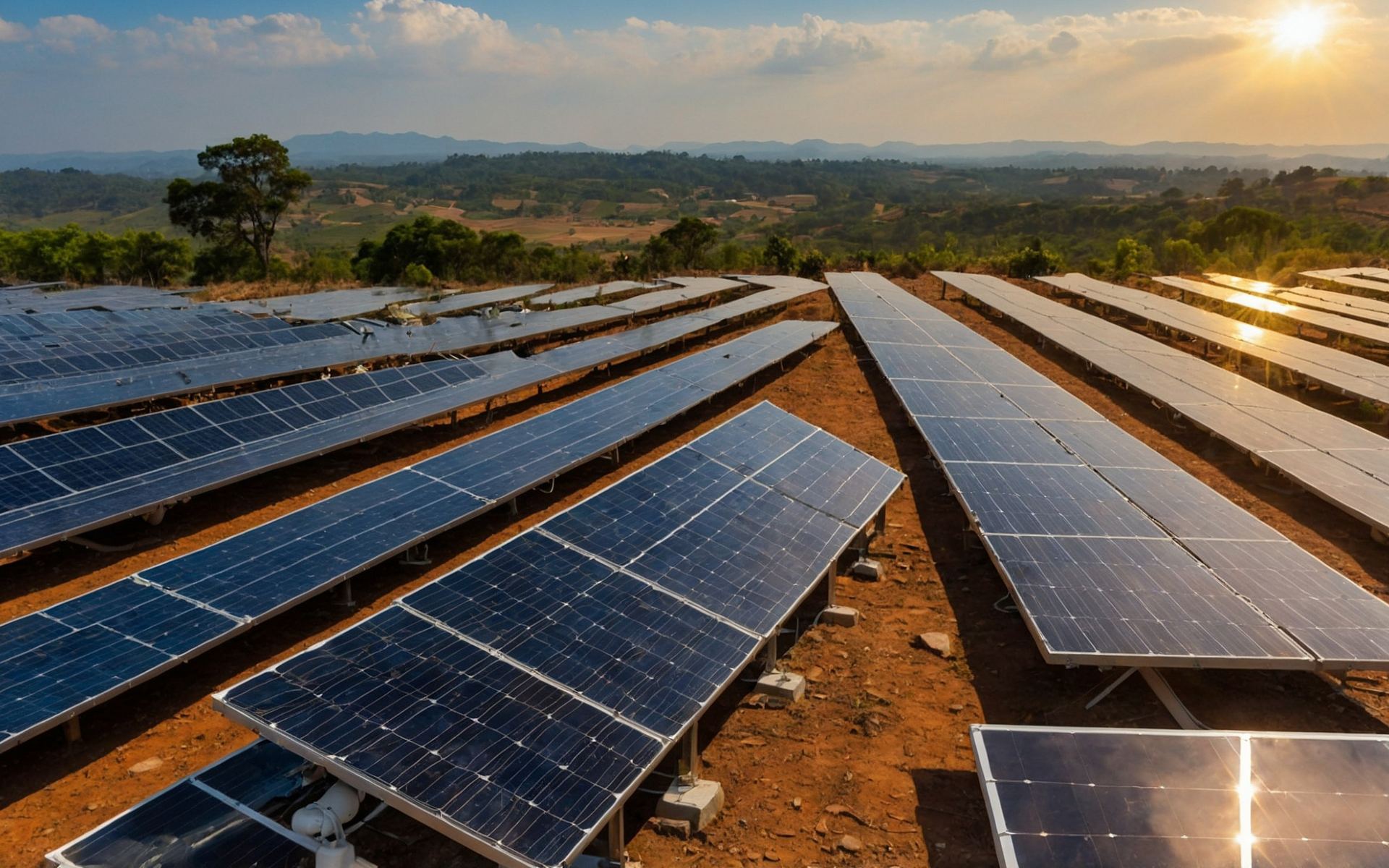
The initiative will support the rollout of solar-powered cold storage facilities, refrigerators, water pumps and grain mills in African countries such as Kenya Nigeria, Ethiopia, Sierra Leone, Uganda and the Democratic Republic of Congo.
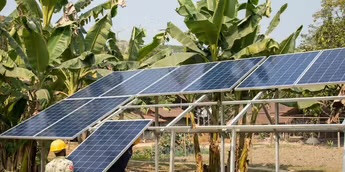
The World Bank and the Rockefeller Foundation have supported not-for-profit organisations with tens of millions of dollars to accelerate agricultural productivity in Africa by deploying a range of solar-powered technologies.
The initiative will support the rollout of solar-powered cold storage facilities, refrigerators, water pumps and grain mills in African countries such as Kenya, Nigeria, Ethiopia, Sierra Leone, Uganda and the Democratic Republic of Congo.
The project implementation will be led by Clasp, an organisation headquartered in the United States, which is committed to enhancing energy efficiency and clean energy access.
Speaking on January 15 during a visit to a solar-powered cold storage facility operated by SokoFresh in Nairobi,
Rajiv Shah, the president of the Rockefeller Foundation, who spoke recently on the project during a January 15 visit to a solar-powered cold storage facility operated by SokoFresh in Nairobi, stated that: “There is always the ability to scale that up. There’ll be more resources country by country as well.”
The funding is being deployed through the Productive Use Financing Facility (PUFF), an initiative under Mission 300, a flagship programme supported by the World Bank and the African Development Bank (AfDB).
Mission 300 aims to mobilise tens of billions of dollars to expand electricity access to 300 million people across Africa by 2030.
Agriculture still stands to be one of the major economies in many African nations, including employing more than half of the continent’s workforce. Meanwhile, farmers face difficulties such as unreliable electricity, limited cold storage and inefficient processing systems daily, with these factors contributing to post-harvest losses estimated at up to 30–40% for some crops.
By deploying solar-powered cold rooms and processing equipment, the World Bank-backed initiative targets one of the most constant challenges in Africa’s food supply chain: energy access.
Solar solutions allow farmers to preserve produce, reduce spoilage and sell goods at better prices, even in off-grid or poorly electrified areas.
Related Stories


Sign up for our newsletter.
Get the latest news, expert analysis, and industry insights delivered straight to your inbox. Join thousands of professionals shaping the future of energy.
By submitting my information, I agree to the Privacy Policy and Terms of Service.