Climate & Sustainablity
AfDB-Financed Drones Deployed as Mozambique Battles Severe Flooding
The African Development Bank has deployed drone technology to support search, rescue and damage assessment efforts in Mozambique, as severe flooding leaves hundreds of thousands affected and critical infrastructure damaged.
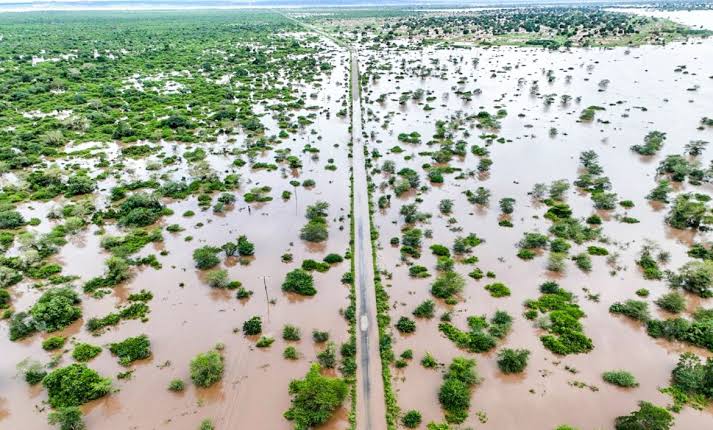
The African Development Bank (AfDB) has deployed drone technology to support search, rescue, and damage assessment operations in Mozambique, following severe flooding that has affected more than 692,000 people and claimed 12 lives in January 2026.
The drone deployment is financed by AfDB through the Korea-Africa Economic Cooperation (KOAFEC) Trust Fund, with technical support from Korean experts. Government-trained teams are using drones equipped with cameras and artificial intelligence tools to capture real-time images of flooded communities, identify stranded residents, map damaged infrastructure, and transmit live video feeds to emergency coordination centres.
According to official figures, flooding between 9 and 26 January damaged 1,336 kilometres of roads, forced authorities to postpone the school year to 27 February, and destroyed more than 100,000 hectares of farmland, raising concerns about longer-term food security. More than 34,000 livestock were also lost, with Gaza Province among the worst-hit areas.
The drone operations form part of the Drone-Based Disaster Management Project, launched in April 2025 by AfDB, the Mozambican government, and Busan Technopark. The project established a national drone training centre and deployed monitoring and emergency-response systems across five flood-prone zones. Although the emergency phase was initially scheduled to begin in March 2026, the government requested early deployment due to the scale of the flooding.
A joint response team of Mozambican officials and Korean specialists began drone missions this week in districts including Chókwè and Guijá, using real-time data to guide rescue teams to isolated communities cut off by submerged roads.
AfDB’s Resident Representative in Mozambique, Rômulo Corrêa, said the deployment was aimed at shortening response times and improving coordination during the crisis. He added that moving from training to active drone operations would also strengthen the country’s long-term resilience to climate-related disasters.
As part of the programme, nine drones, including training and operational units, have been transferred to the Mozambican government, while 20 local personnel from disaster agencies and security services have completed drone-operation training and are now conducting missions alongside international experts.
AfDB said the initiative is designed to embed drone technology as a permanent component of Mozambique’s disaster-response system, enabling authorities to monitor high-risk areas and respond more effectively as extreme weather events become more frequent.
Related Stories

Sign up for our newsletter.
Get the latest news, expert analysis, and industry insights delivered straight to your inbox. Join thousands of professionals shaping the future of energy.
By submitting my information, I agree to the Privacy Policy and Terms of Service.