Oil & Gas
125 Diesel Sacks Discovery Sharpens Oil Safety Campaign in Rivers
Unsafe diesel stockpiles have been uncovered as Navy intensifies raids on illegal refining camps in Rivers.
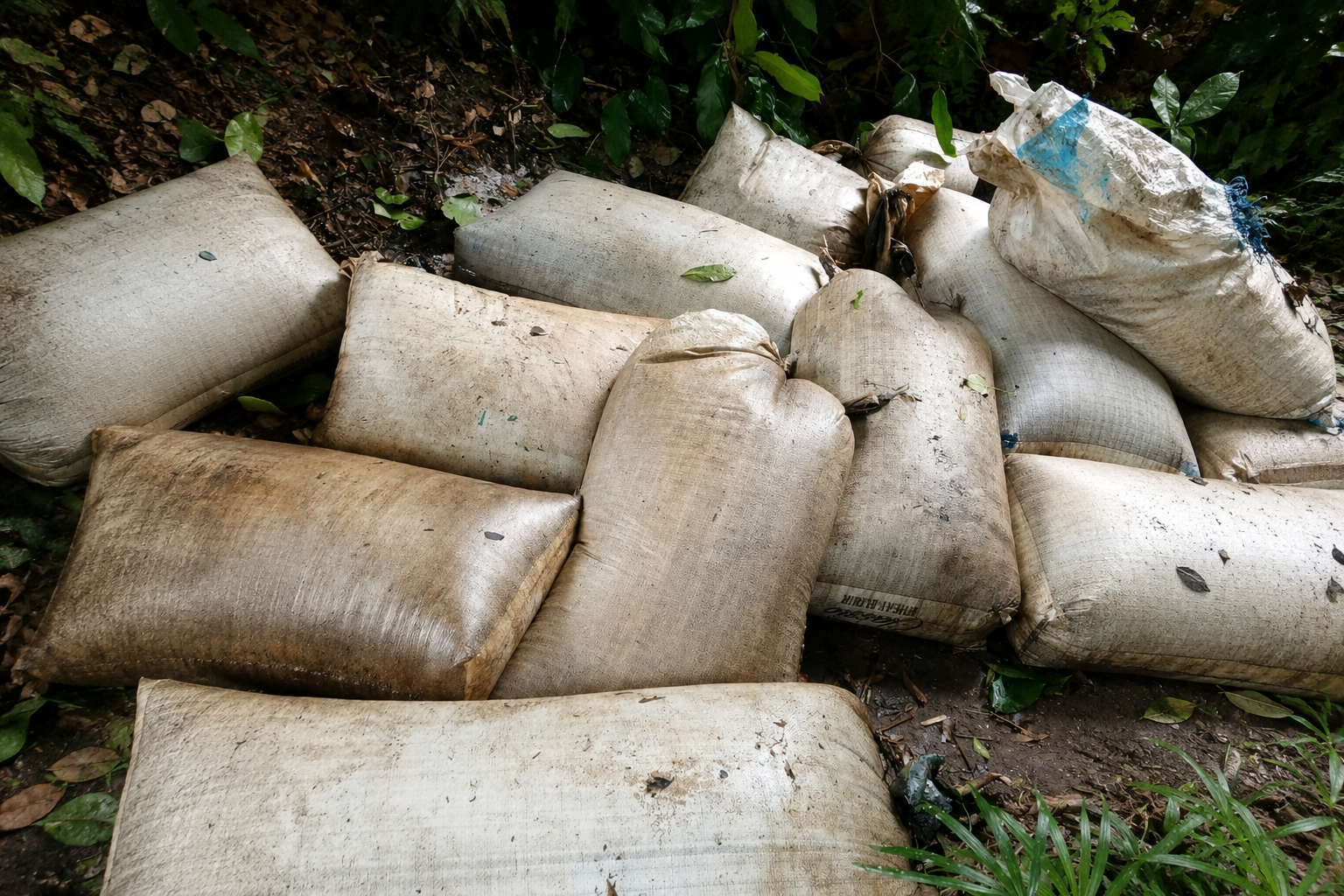
The discovery of 125 sacks filled with suspected illegally refined diesel has strengthened the Nigerian Navy's campaign to protect oil facilities and the environment in Rivers State, where illegal fuel storage and refining continue to threaten lives, critical infrastructure, and Nigeria's oil industry.
The sacks were uncovered during an anti-crude oil theft operation by the Navy's Base Anti-Crude Oil Theft Team under Operation DELTA SENTINEL.
The discovery is important because storing large volumes of diesel in unsafe locations creates a serious fire risk, pollutes land and water, and supports illegal refining activities that damage the country's economy.
The operation formed part of a series of intelligence-led actions targeting crude oil theft in Rivers State. Security agencies have stepped up surveillance in the Niger Delta to stop illegal refining camps, seize stolen petroleum products, and prevent further damage to oil facilities and nearby communities.
Illegal refining often involves crude processing in makeshift facilities without safety measures. Petroleum products are commonly hidden in sacks, reservoirs and dugout pits to avoid detection. Such storage methods increase the chance of fire outbreaks, explosions and environmental pollution, while exposing residents and workers to danger.
Hidden diesel storage creates serious safety threat
The discovery of the 125 sacks followed another operation in which personnel of Nigerian Navy Ship PATHFINDER uncovered four illegal refining sites in the Egbema axis of Ogba-Egbema-Ndoni Local Government Area of Rivers State.
During that raid, naval personnel recovered about 43,000 litres of suspected illegally refined petroleum products, including 28,000 litres of suspected Automotive Gas Oil (diesel) and 15,000 litres of suspected Dual Purpose Kerosene.
The Navy said the products had been concealed in dugout pits, reservoirs and sacks before they were recovered.
It also dismantled the illegal refining facilities and processed the seized products in line with approved procedures for handling materials recovered during anti-crude oil theft operations.
The repeated discovery of petroleum products stored in concealed locations points to the methods used by illegal refining networks to avoid security checks while keeping large quantities of flammable fuel close to communities and sensitive oil infrastructure.
Repeated seizures show scale of illegal refining
The latest operation follows several successful raids carried out under Operation DELTA SENTINEL, the Nigerian Navy's anti-crude oil theft campaign in the Niger Delta.
Only days before the recovery of 43,000 litres of petroleum products, naval personnel uncovered the hidden storage site where the 125 sacks of suspected illegally refined diesel were found.
Earlier operations also led to the recovery of about 20,500 litres of suspected stolen crude oil hidden inside concealed dugout pits in Bonny Local Government Area.
In other raids carried out in Rivers State, naval teams intercepted 22,870 litres, 63,290 litres, and 103,500 litres of suspected illegally refined petroleum products.
The steady pattern of seizures shows that illegal refining networks continue to operate in different parts of the state, making sustained surveillance and intelligence gathering necessary.
The Navy said it would continue intelligence-driven operations aimed at dismantling criminal groups involved in crude oil theft and illegal refining.
It stated that Operation DELTA SENTINEL is focused on denying oil theft syndicates the opportunity to operate while protecting Nigeria's maritime environment and economic interests.
Each seizure removes large quantities of highly flammable petroleum products from unsafe locations. It also reduces the risk of fires, limits environmental damage linked to illegal refining, and helps protect pipelines and other oil infrastructure that support Nigeria's energy sector.
The latest operations underline that oil safety is not only about protecting petroleum facilities. It also involves preventing accidents that could threaten nearby communities, preserving the environment, and reducing the economic losses linked to crude oil theft and illegal refining in the Niger Delta.
Related Stories
Sign up for our newsletter.
Get the latest news, expert analysis, and industry insights delivered straight to your inbox. Join thousands of professionals shaping the future of energy.
By submitting my information, I agree to the Privacy Policy and Terms of Service.