Oil & Gas
Nigeria: LPG Supply Improves as Emergency Action Eases Shortage
Government intervention has eased Nigeria's cooking gas supply shortage, with marketers noting improved product availability and a more stable LPG market.
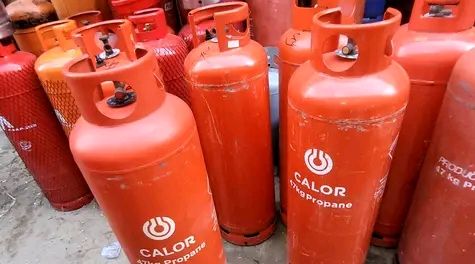
The Federal Government's emergency intervention in Nigeria's cooking gas market has eased supply shortages, with marketers reporting that more filling plants now have access to liquefied petroleum gas after weeks of disruption. The improvement follows an emergency stakeholders' meeting held in Abuja on June 22 and has reduced the risk of another severe supply crisis, even though other challenges continue to affect the market.
The intervention came after supply shortages that started in May disrupted cooking gas distribution in many parts of the country. The situation became serious in June as limited supplies, panic buying and speculative stocking threatened access to the product. Restoring steady supply became urgent because millions of Nigerian households depend on LPG for daily cooking, while the Federal Government is promoting cleaner cooking fuels through its Decade of Gas initiative.
Marketers maintained that the latest situation shows that government action can quickly restore confidence in the supply chain when producers, importers, terminal operators and distributors work together. They, however, noted that sustaining the improvement will depend on continued implementation of agreements reached at the Abuja meeting.
Supply chain records stronger recovery
The National President of the Nigerian Association of Liquefied Petroleum Gas Marketers, Edu Inyang, said the emergency meeting helped calm market tension and improved product availability nationwide.
He said national LPG supply sufficiency increased from about 11 days to 22 days after the intervention, while average daily supply rose from about 4,262 metric tonnes in May to more than 5,000 metric tonnes in June.
Inyang said the immediate result was better access to cooking gas rather than major relief for consumers.
He said, "The immediate impact has been greater product availability rather than lower prices. Product scarcity has reduced considerably. Panic buying by marketers has eased. Most filling plants now have access to supply. Depot prices have become relatively more stable compared to the volatility experienced before the meeting."
Before the intervention, shortages disrupted supplies in several cities after terminal costs increased sharply and marketers struggled to secure enough products. The situation affected distribution and created uncertainty throughout the supply chain.
The marketers' association said improved communication between government and industry operators helped restore confidence and prevented a deeper disruption that could have reduced supplies even further.
Long-term supply challenges still need attention
While supply has improved, marketers said Nigeria still needs lasting solutions that will strengthen domestic production and improve distribution.
Inyang identified inadequate local production, weak infrastructure, distribution bottlenecks, foreign exchange exposure and pricing distortions as issues that still require attention before the market can achieve long-term stability.
He described the Abuja meeting as an important first intervention rather than a complete solution to the challenges facing the LPG sector.
"The meeting achieved three immediate objectives. It restored confidence within the supply chain, improved communication between government and industry operators, and prevented a deeper supply disruption," he said.
The association also noted that the earlier shortage forced many households to ration cooking gas or return to firewood and charcoal, a setback for efforts to encourage cleaner household energy.
It is believed that consistent implementation of the agreements reached during the emergency meeting could improve supply further and strengthen confidence throughout the market.
Inyang said continued progress could deliver better nationwide product availability, more stable depot operations and renewed confidence among consumers and businesses that rely on LPG.
He also warned that any slowdown in implementing the agreed measures or any failure to increase domestic supply could expose the market to another round of instability.
Related Stories
Sign up for our newsletter.
Get the latest news, expert analysis, and industry insights delivered straight to your inbox. Join thousands of professionals shaping the future of energy.
By submitting my information, I agree to the Privacy Policy and Terms of Service.