Oil & Gas
Angola Model Offers Path to Algeria’s Oil and Gas Investment Push
Angola's upstream reforms are being presented as a practical example of how clear licensing rules, institutional changes and fiscal incentives can help Algeria attract more oil and gas investment and increase production.
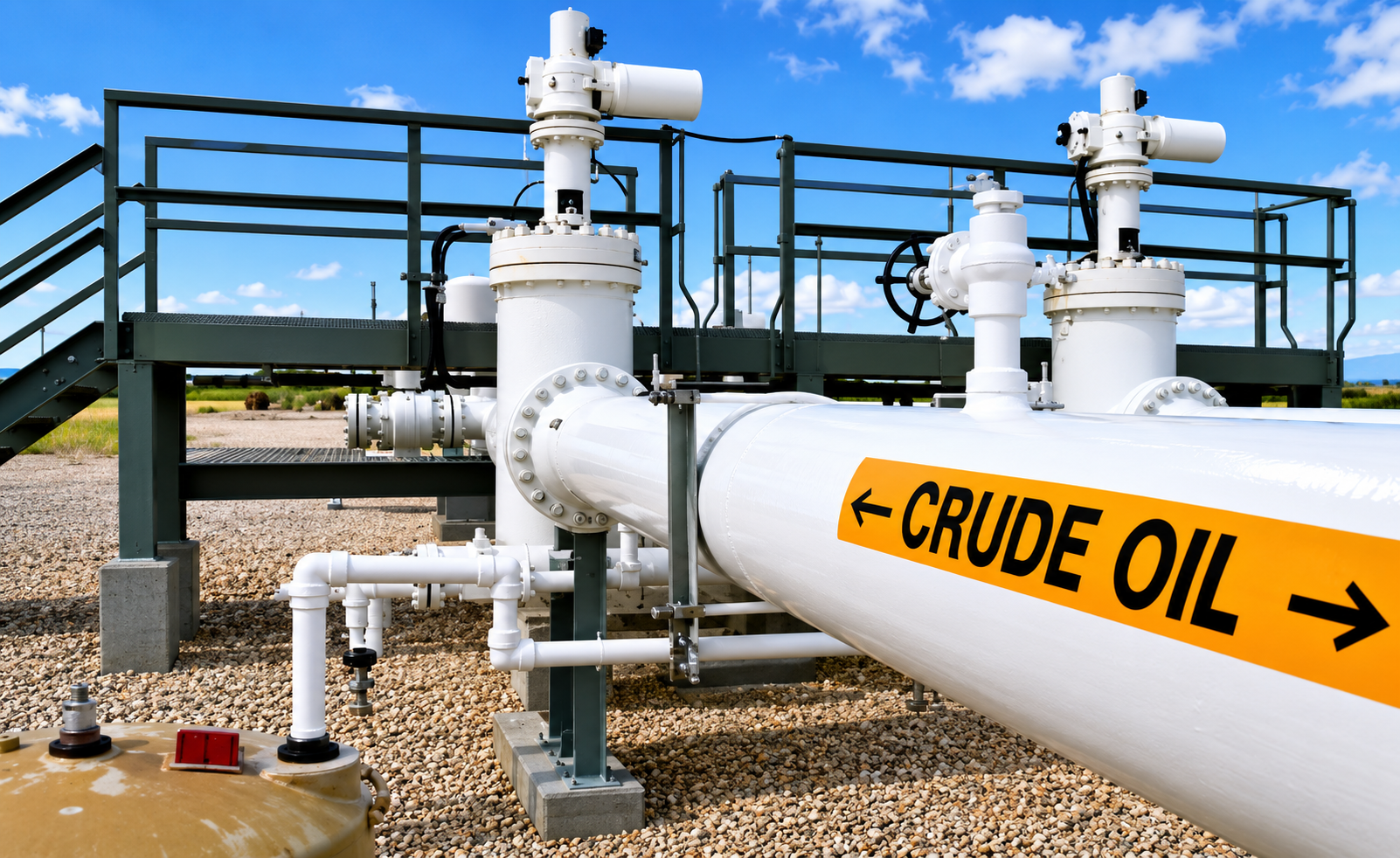
Algeria is intensifying efforts to attract new oil and gas investment by reshaping its upstream sector, with Angola's regulatory reforms presented as a practical model for unlocking exploration, boosting production and securing long-term capital.
The push comes as Algeria offers new licensing opportunities and seeks to increase output from mature oilfields and frontier basins to strengthen its position among Africa's leading hydrocarbon producers.
Algeria is one of Africa's biggest oil and gas producers, but competition for upstream capital is becoming stronger as energy companies look for stable and predictable investment destinations.
The country is promoting new exploration opportunities while seeking policies that can encourage sustained investment, increase production and strengthen its role in regional and global energy markets.
A comparison with Angola is contained in "Crude Oil: Power, Turnaround and Transformation" in Angola by African Energy Chamber Executive Chairman NJ Ayuk. The publication argues that clear regulations, transparent licensing and stable policies helped Angola secure major oil and gas investments after reforms introduced in recent years.
Regulatory reforms helped unlock major oil and gas projects
Angola has built an upstream investment pipeline expected to exceed $60 billion between 2025 and 2030. The country has attracted major projects such as the Quiluma and Maboqueiro non-associated gas project, the Agogo Integrated West Hub, the Greater PAJ project and TotalEnergies’ Kaminho project. These investments illustrate how policy certainty can encourage companies to commit billions of dollars to long-term oil and gas production.
The turning point came in 2019 when Angola established the National Oil, Gas & Biofuels Agency (ANPG). The reform separated regulatory duties from the commercial activities of state oil company Sonangol. ANPG took charge of concession management while Sonangol continued as a commercial operator.
The separation simplified licensing, improved transparency and gave investors a clearer understanding of how oil and gas assets would be managed. The approach also created a system where regulatory decisions were handled independently from commercial operations.
For Algeria, a similar level of institutional clarity could strengthen confidence among international investors. A licensing process with clearly defined responsibilities may also shorten approval periods and help new projects begin more quickly.
Flexible licensing could expand exploration activity
Angola also introduced a multi-year licensing strategy alongside a permanent offer system. This allows companies to negotiate for exploration opportunities outside traditional licensing rounds instead of waiting several years for the next bidding process.
The approach has produced strong results, with more than 70 oil and gas blocks awarded since 2019. Continuous access to exploration acreage has helped maintain investor interest while expanding drilling opportunities in both established and frontier areas.
Algeria is also seeking to unlock underexplored basins with significant hydrocarbon potential. More flexible licensing options could encourage more companies to enter the market and reduce delays that often slow investment decisions.
Angola also adopted fiscal measures aimed at mature oilfields and introduced legislation dedicated to non-associated natural gas. These policies improved the commercial outlook for older producing assets while encouraging investment in standalone gas projects that may previously have struggled to attract funding.
Such measures may also help Algeria increase output from ageing fields while expanding gas production from untapped resources. The country already holds substantial reserves and has an established energy industry, giving it a strong foundation for future investment if supported by competitive policies.
Ayuk said Algeria already has the resources, technical expertise and strategic position to remain one of Africa’s leading energy producers. He said Angola’s experience shows that regulatory changes can work alongside those strengths to create greater opportunities for long-term investment.
The comparison places oil and gas policy at the centre of Algeria’s investment drive. Rather than relying only on resource potential, the experience in Angola indicates that clear rules, transparent licensing and targeted fiscal measures can help convert exploration opportunities into producing projects, higher output and sustained investment in the upstream sector.
Related Stories
Sign up for our newsletter.
Get the latest news, expert analysis, and industry insights delivered straight to your inbox. Join thousands of professionals shaping the future of energy.
By submitting my information, I agree to the Privacy Policy and Terms of Service.