Finance
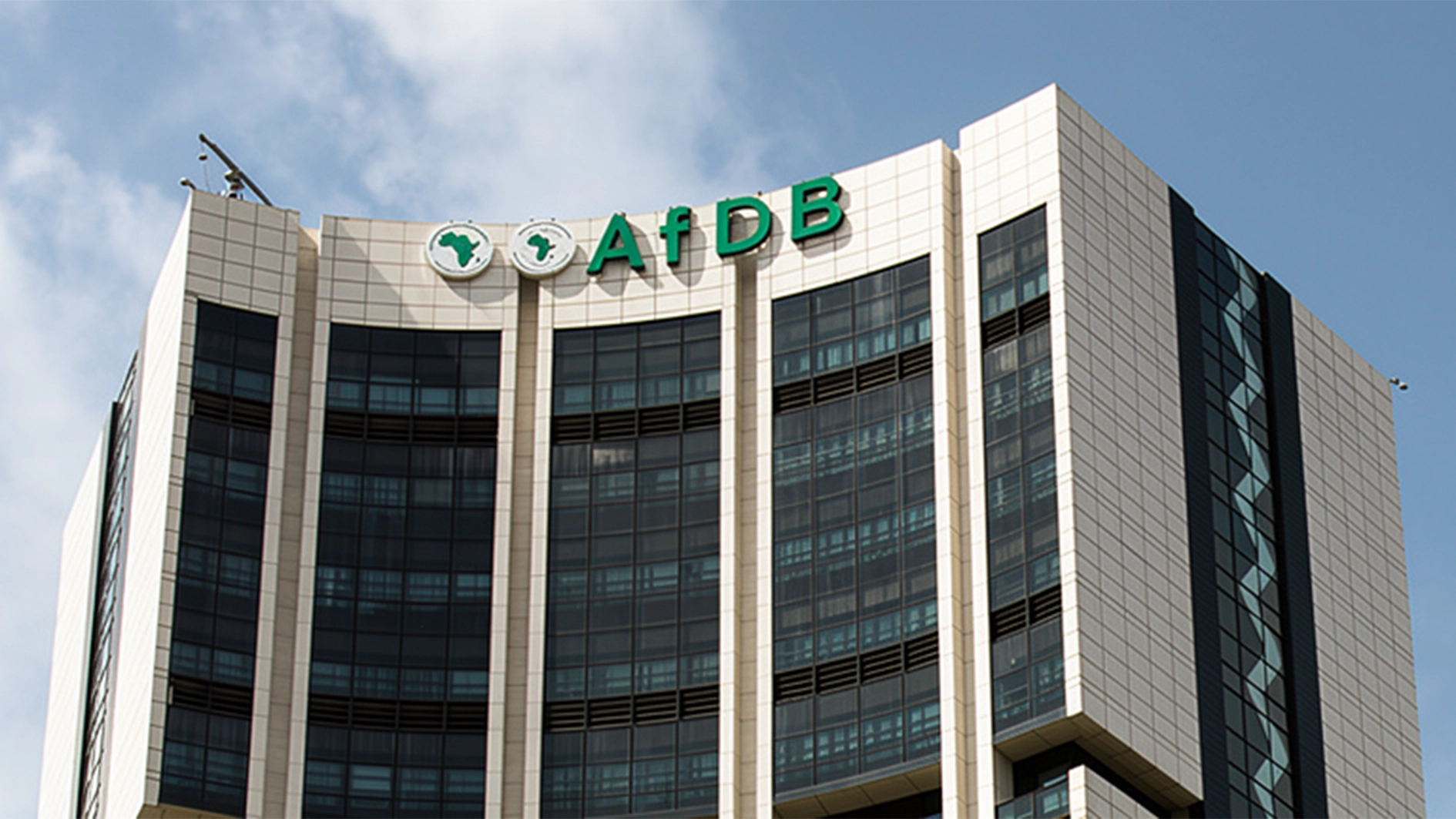
AfDB Approves €100m Loan for Morocco Battery Gigafactory
AfDB's €100m financing for a Moroccan battery gigafactory could strengthen Africa's role in electric vehicle manufacturing, energy storage and clean technology supply chains.
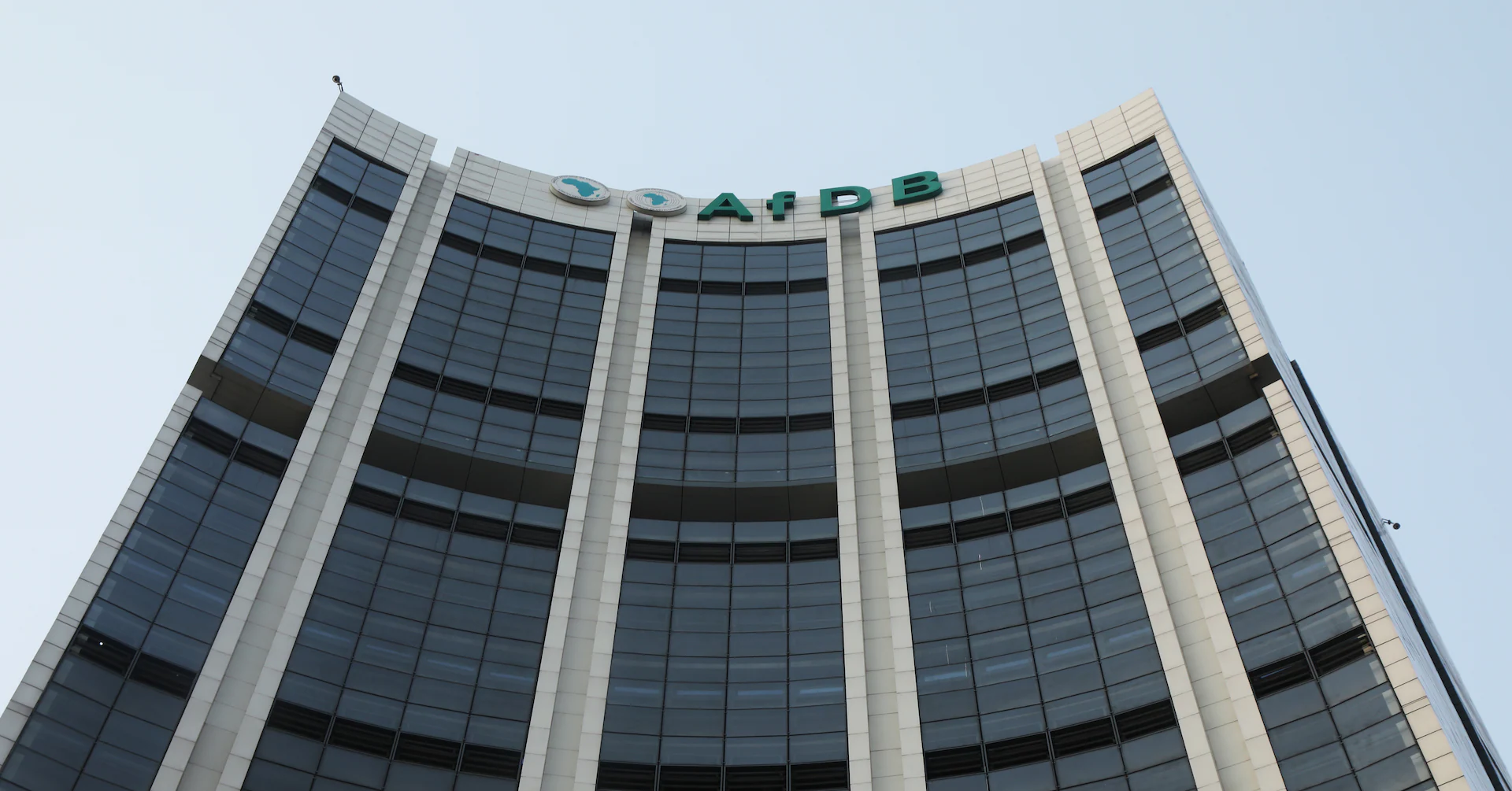
The African Development Bank (AfDB) has approved a €100 million loan to Gotion Power Morocco to develop an integrated lithium iron phosphate (LFP) battery gigafactory in Morocco, positioning the country to play a larger role in Africa's electric vehicle and clean energy supply chains.
The project, to be located in the Rabat-Salé-Kénitra Free Trade Zone, will produce battery cells and packs for electric vehicles, with an initial capacity of 10 gigawatt-hours (GWh) in its first phase and a planned expansion to 100 GWh.
AfDB also plans to mobilise up to €141 million from other financial partners for the project, acting as Mandated Lead Arranger under the New African Financial Architecture for Development (NAFAD).
Led by Gotion High-Tech Co. Ltd., a Chinese battery manufacturer headquartered in Hefei, the development is positioned as the first integrated battery manufacturing plant of its kind in Africa and the Middle East and North Africa (MENA) region.
The project is significant because it could help shift Africa's role in the global energy transition from supplying raw materials to participating in higher-value manufacturing. By producing batteries and potentially supporting electric vehicle supply chains within the continent, the investment could create industrial capacity, strengthen local skills and increase the economic value generated from Africa's natural resources.
Morocco targets clean technology manufacturing
The first phase of the project is projected to create more than 600 direct jobs and achieve a local industrial integration rate of 70 per cent, according to the AfDB.
The bank's Vice President for Power, Energy, Climate and Green Growth, Kevin Kariuki, described battery storage as a critical component of Africa's clean energy transition, noting that large-scale storage capacity can help electricity systems integrate more solar and wind power.
He stressed that the project could support low-carbon energy development while creating green industrial jobs and strengthening supply chains needed for the continent's energy transition.
AfDB Country Manager for Morocco, Achraf Tarsim, noted that the gigafactory could strengthen Morocco's industrial competitiveness and support the country's ambition to become a manufacturing hub for sustainable mobility industries.
The project is also intended to promote local processing of critical minerals used in clean energy technologies and support the development of an African industrial ecosystem around batteries and electric vehicles.
The investment aligns with the AfDB's strategic priorities on infrastructure development, industrialisation, value addition to natural resources and regional integration.
The project could strengthen Morocco's position in the global electric vehicle market and attract more investment into related industries. Across Africa, its planned expansion to 100 GWh could also boost the region's capacity to manufacture batteries for electric vehicles and renewable energy storage.
It also illustrates the growing competition to establish manufacturing capacity for technologies at the centre of the global energy transition. As demand for electric vehicles and battery storage rises, Africa's ability to participate in these value chains could determine whether the continent captures a greater share of the economic opportunities created by the shift to cleaner energy.
Related Stories
Sign up for our newsletter.
Get the latest news, expert analysis, and industry insights delivered straight to your inbox. Join thousands of professionals shaping the future of energy.
By submitting my information, I agree to the Privacy Policy and Terms of Service.