Renewables |Finance
$145 Million Solar Panel Factory Planned for Nigeria’s Abia State
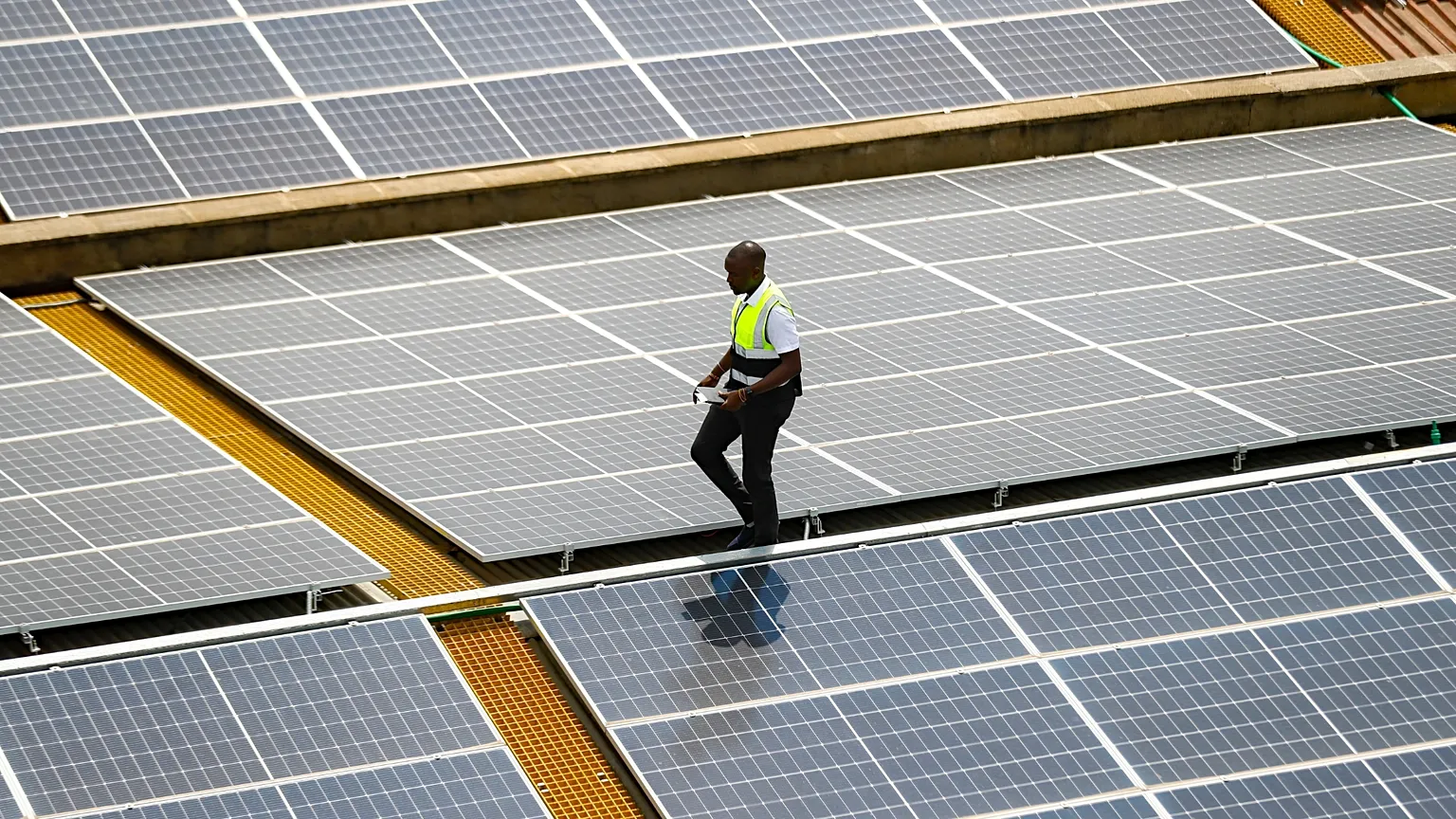
Abia's planned $145 million solar panel factory could strengthen local manufacturing, create skilled jobs and reduce Nigeria's reliance on imported renewable energy equipment.
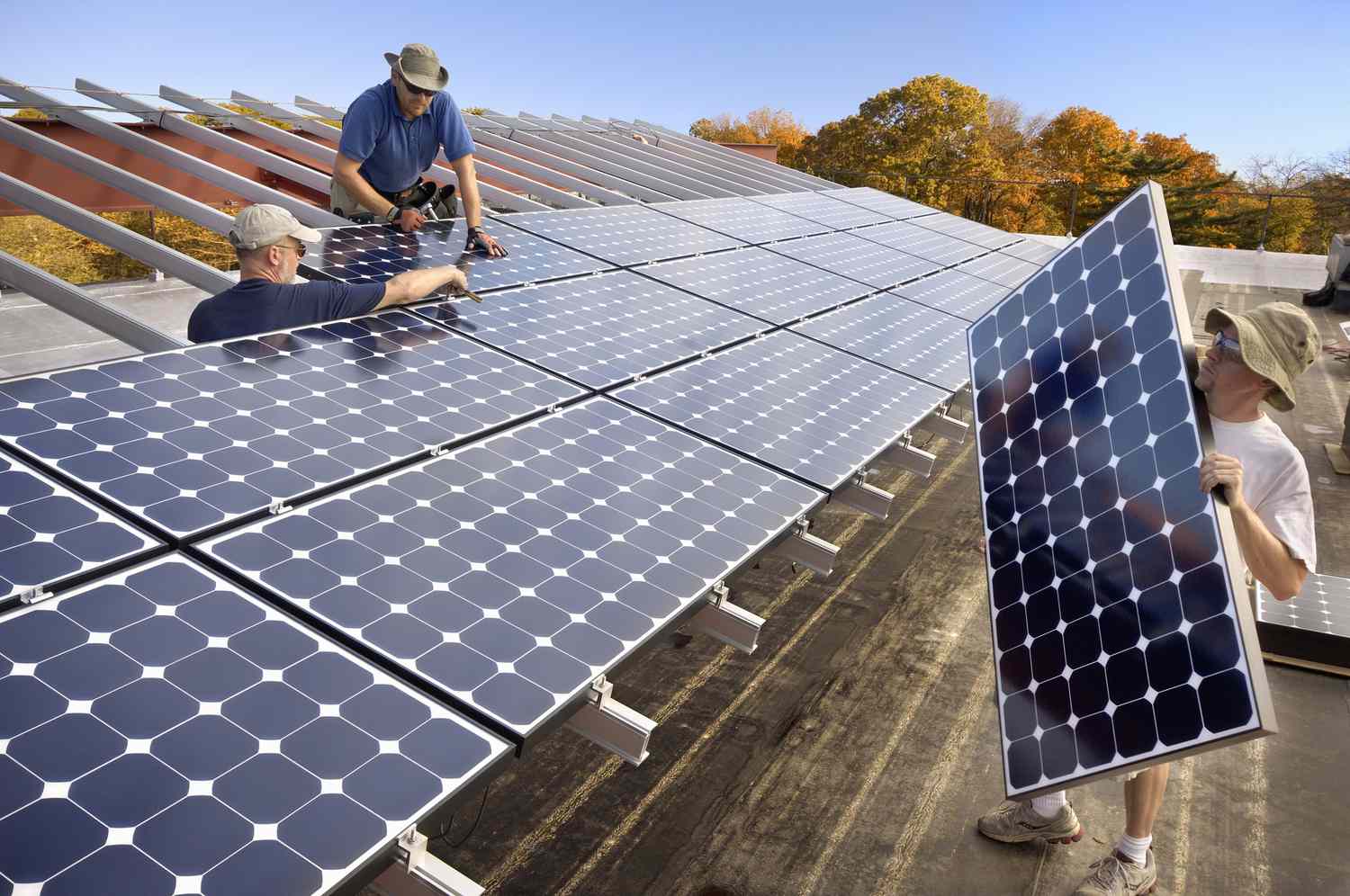
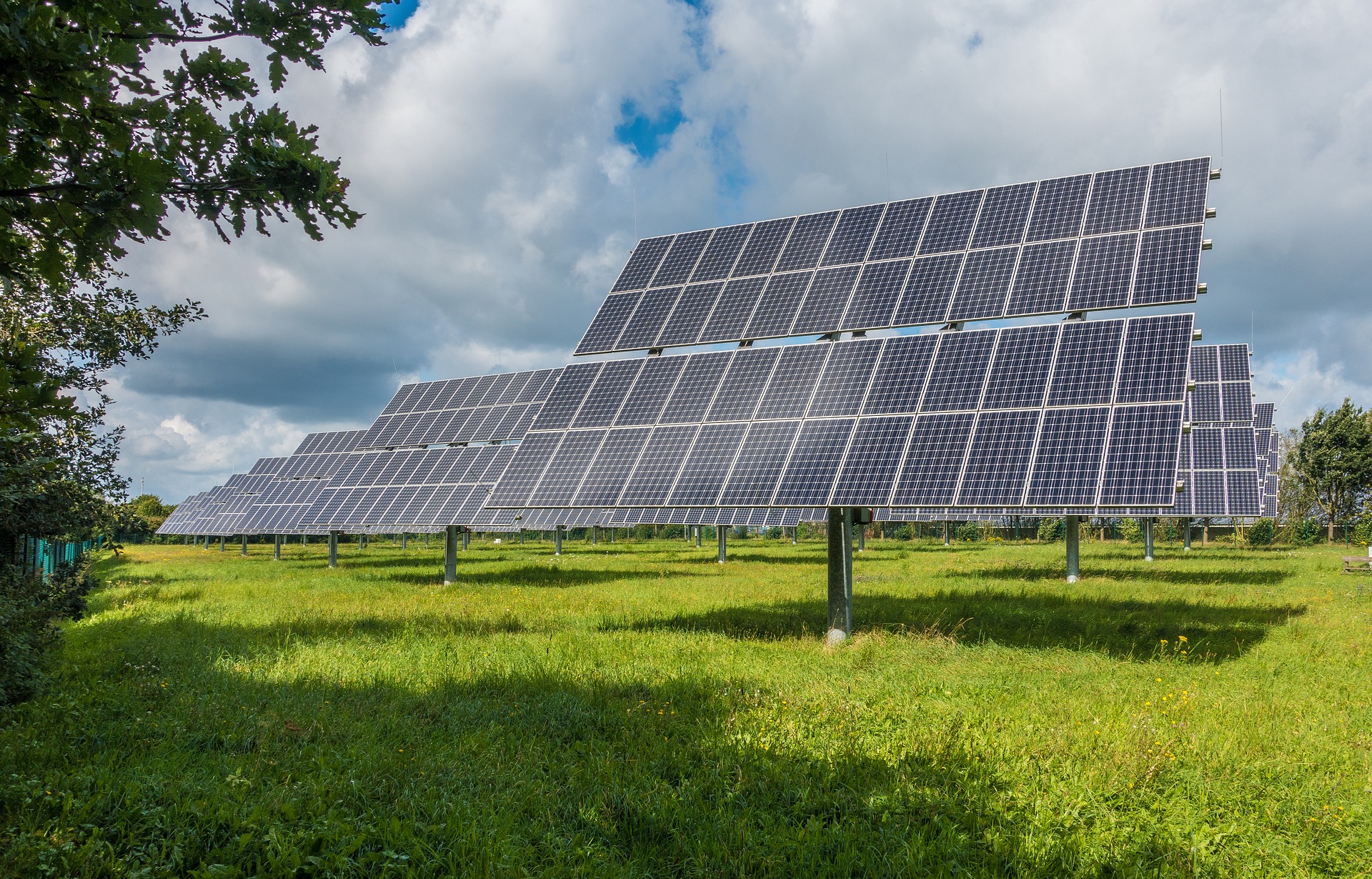
Abia State has secured a $145 million investment commitment for a solar panel manufacturing plant in Isiala Ngwa South, marking a major step in the state's drive to build a renewable energy manufacturing base and strengthen Nigeria's local clean energy value chain.
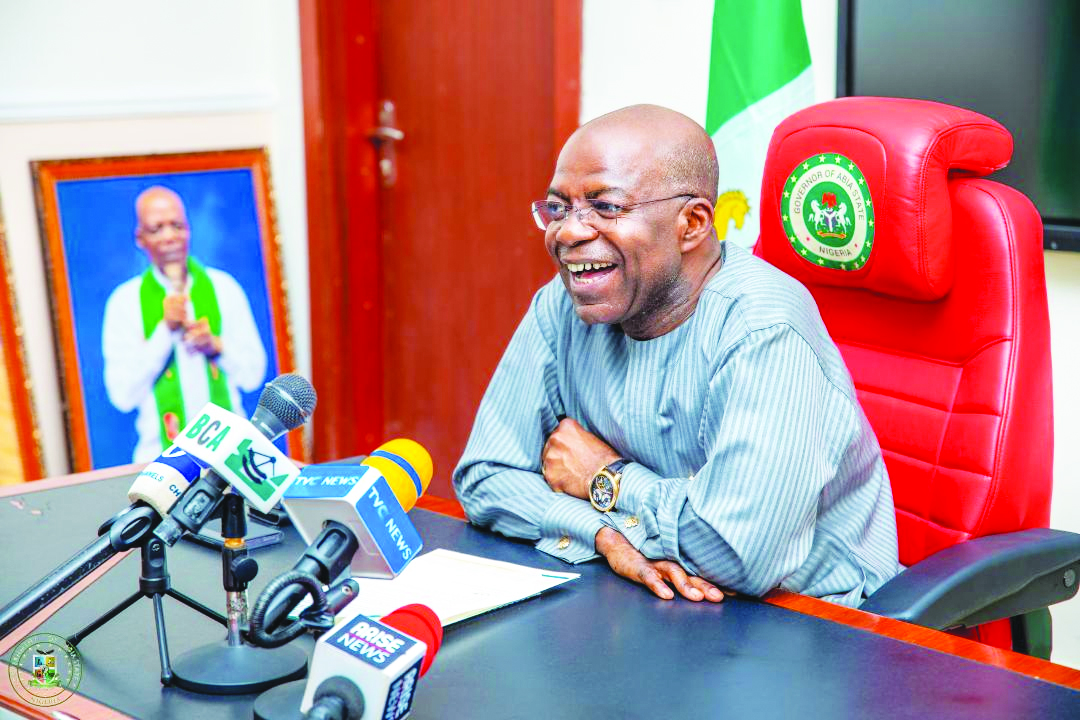
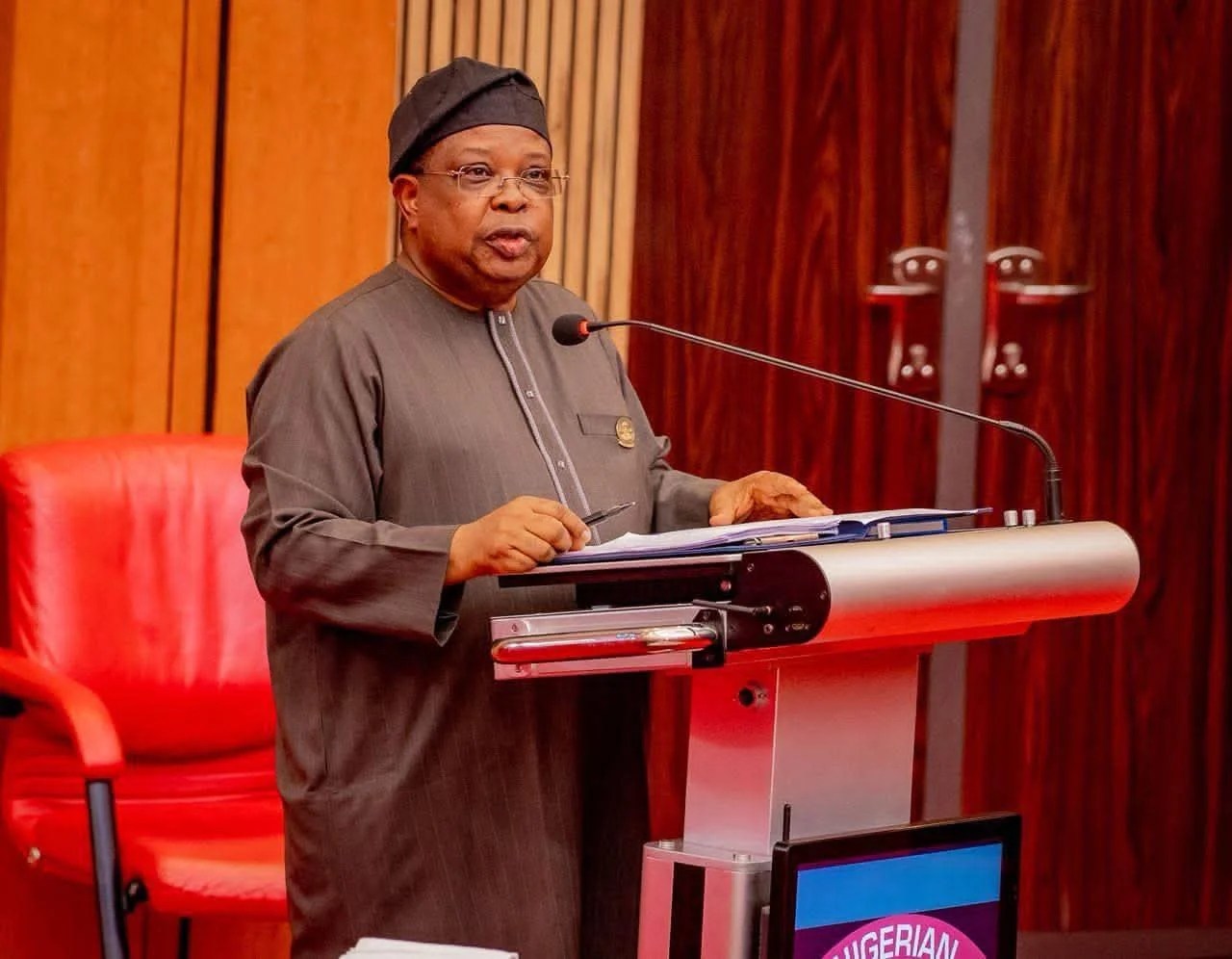
Governor Alex Otti announced the investment after receiving a delegation of investors led by Dr Oko Jaja at the Government House in Umuahia.
According to the governor, the project has reached its Final Investment Decision (FID) stage, meaning investors have formally approved the project and committed funding for implementation.
Or tti welcomed the commitment, describing it as a major milestone for Abia's industrial development. He assured the investors that the state government would continue to provide the necessary support, noting that land for the project had already been allocated.
"We had to do everything that was required to make the land available. If there is anything else needed to facilitate this investment, do not hesitate to let us know," he said.
Speaking on behalf of the investors, Dr Jaja disclosed that the project, which is being developed with Chinese partners, has advanced considerably and that the first tranche of funding is expected to be released by September 2026.
The Chief Executive Officer of MD Nwakanma Nigeria Limited, Dennis Nwakamma, also confirmed that construction is expected to begin before the end of September under a public-private partnership with the Abia State Government.
Apart from producing solar panels and related equipment, the factory is will create jobs and provide technical training for young people, helping to build the skilled workforce needed to support Nigeria's growing renewable energy industry.
The investment transpires as demand for solar energy continues to rise across Nigeria, driven by unreliable grid electricity, rising energy costs and growing interest in cleaner sources of power. Expanding local manufacturing could reduce dependence on imported solar equipment, lower project costs over time and support the country's efforts to widen access to affordable electricity.
Abia expands renewable energy drive
The proposed factory builds on Abia State's recent investments in the electricity sector. The state is among the few operating a regulated electricity market and hosts the 188MW Geometric Power Plant, commissioned in February 2024 to improve power supply in Aba and neighbouring communities.
More recently, the state upgraded the power infrastructure at Abia State University by increasing the capacity of its substation from 2.5MVA to 5MVA, improving electricity supply to the institution.
The solar manufacturing project also fits into Nigeria's broader push to develop local renewable energy industries. Both the Federal Government and development partners have introduced programmes to encourage domestic production of renewable energy equipment, attract private investment and reduce reliance on imports as the country works to expand electricity access and meet its energy transition goals.
Related Stories
Sign up for our newsletter.
Get the latest news, expert analysis, and industry insights delivered straight to your inbox. Join thousands of professionals shaping the future of energy.
By submitting my information, I agree to the Privacy Policy and Terms of Service.