Renewables |Finance
AfDB Selects Hyphen for N$100m Grant as Namibia Eyes Green Ammonia Project
The funding could help Hyphen prepare its multi-billion-dollar project for a final investment decision targeted for 2027.
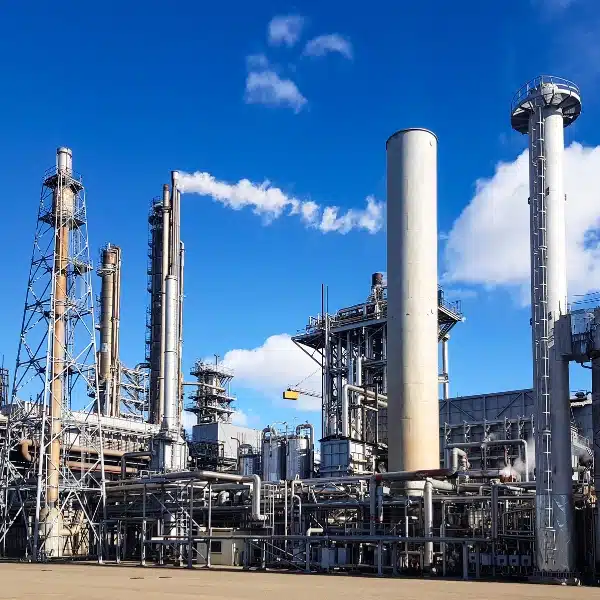
The African Development Bank (AfDB) has selected Hyphen Hydrogen Energy for a prospective US$5.93 million (about N$100 million) reimbursable grant to prepare its green hydrogen project in Namibia for a final investment decision.
Hyphen was one of only four projects chosen from 81 proposals submitted by projects in 18 African countries under the AfDB’s Africa Green Hydrogen Programme.
The grant still requires approval from the AfDB Board of Directors. If approved, it will provide further funding for work needed before the first phase of the Hyphen project can reach Final Investment Decision (FID) by the end of 2027.
The selection also gives Hyphen the largest individual grant under the programme’s latest funding round.
Four projects, $23bn investment
The four projects selected by the AfDB represent an estimated combined investment of about US$23 billion.
They also account for 20 gigawatts of planned solar and wind generation capacity, 7GW of electrolyser capacity and 2,950 megawatt-hours of battery storage.
An electrolyser is equipment that uses electricity to split water and produce hydrogen. Green hydrogen is produced using renewable electricity, such as solar and wind power.
For Hyphen, the new grant comes after a US$10 million reimbursable grant announced by the AfDB in December 2025.
The additional support is intended to fund project development work before FID. This stage is important because the full project will require billions of dollars in capital before construction can be completed.
Hyphen’s project is planned to produce green ammonia, a product made from hydrogen and nitrogen that can be used in areas such as shipping and aviation fuels.
At full development, the project is planned to have about 7GW of renewable energy generation capacity and 3GW of electrolyser capacity.
Its annual green ammonia production could reach two million tonnes for regional and international markets.
The first phase is planned to produce one million tonnes of green ammonia each year.
Hyphen Chief Executive Officer Marco Raffinetti said support from African and international lending institutions was important to the project preparation stage.
“Strategic backing from African and international lending institutions is vital as we advance through this crucial project preparation phase toward FID,” Raffinetti said.
Jobs and industrial plans
The proposed project also carries employment plans for Namibia.
Hyphen estimates that construction could create up to 15,000 jobs. About 3,000 permanent operational positions could be created after both phases are completed.
The company plans for Namibians to make up 90 per cent of the workforce, with 20 per cent of jobs set aside for local youth.
The project could therefore create work in construction, manufacturing, logistics, maintenance and plant operations. Its eventual economic impact, however, will depend on the level of participation by Namibian workers and companies in those areas.
Hyphen also estimates that the facility could prevent five to six million tonnes of carbon emissions each year.
The company says that amount would be higher than Namibia’s current total national carbon footprint.
The AfDB’s green hydrogen programme is intended to help projects reach investment readiness and attract private investment, foreign direct investment and industrial development.
Daniel Schroth, AfDB director for renewable energy and energy efficiency, said Africa’s renewable resources could help the continent compete in the emerging green hydrogen and derivatives market.
“Through the SEFA-funded AGHP, the African Development Bank is helping to move high-potential projects closer to investment readiness,” Schroth said.
The Hyphen project is being developed not only as an energy venture but also around possible industrial activities linked to renewable power, water infrastructure, engineering, logistics and technical skills.
The immediate milestone is FID. The N$100 million grant is development funding and not the multibillion-dollar capital needed to build the full facility, leaving Hyphen to secure further financing before full construction can begin.
Related Stories
Sign up for our newsletter.
Get the latest news, expert analysis, and industry insights delivered straight to your inbox. Join thousands of professionals shaping the future of energy.
By submitting my information, I agree to the Privacy Policy and Terms of Service.