Renewables
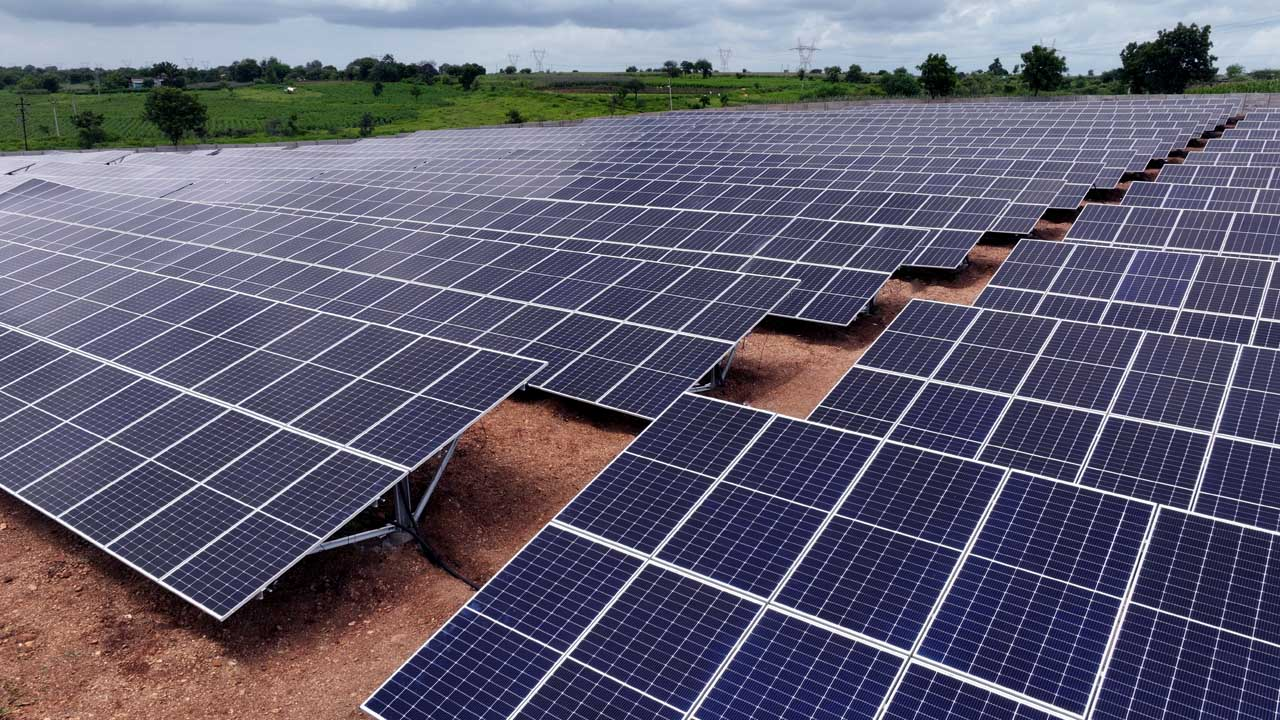
Nava Commissions 100-MW Solar Plant in Zambia
Nava's solar plant adds to Zambia's rush to diversify power generation after a historic drought exposed the country's heavy dependence on hydropower.
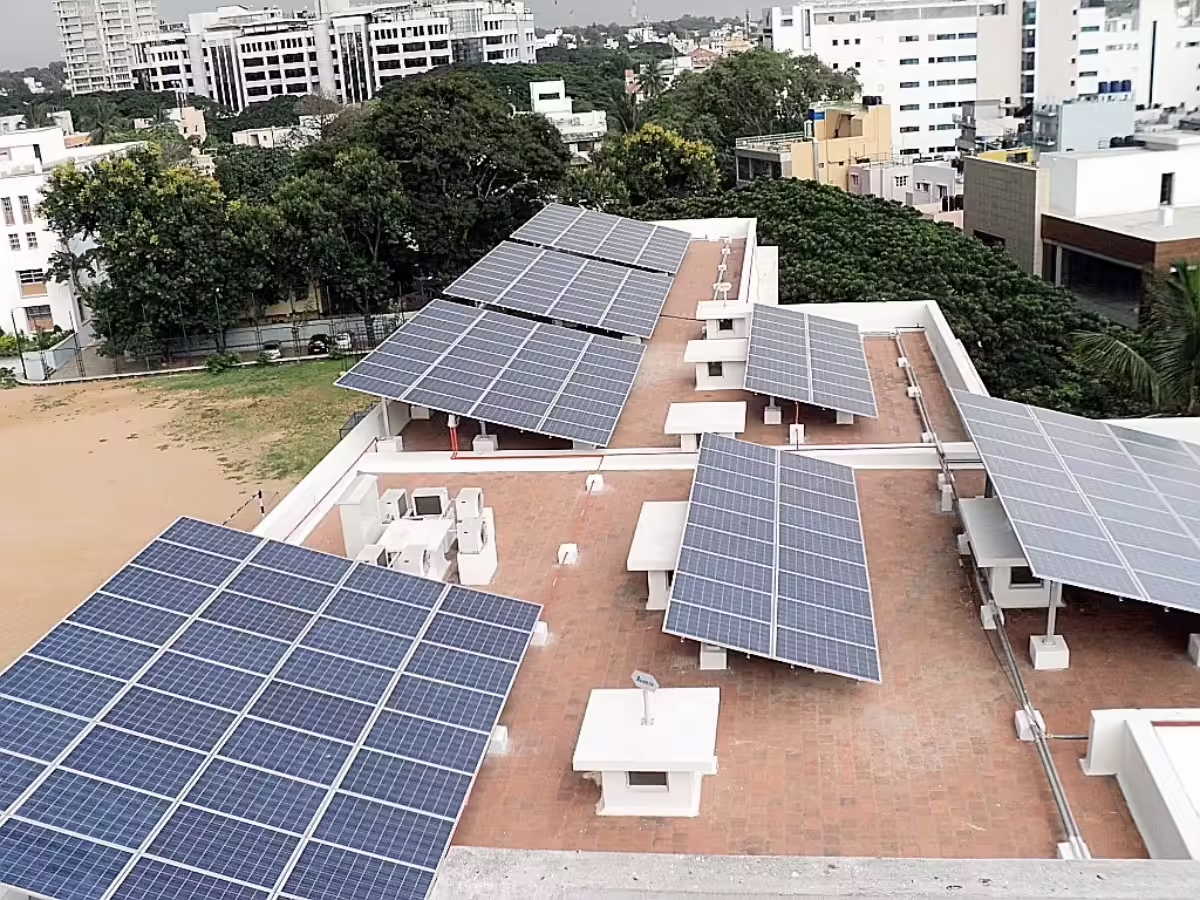
Indian conglomerate Nava Limited has commissioned a 100-megawatt solar power plant in Zambia through its step-down subsidiary Maamba Solar Energy Limited (MSEL), adding to the country's push to diversify a power system left badly exposed by a historic drought.
MSEL is 65% owned by Nava Global, Nava's international arm, and 35% owned by ZCCM Investments Holdings Plc, a Zambian mining investments and operations company that joined the project in 2025.
The solar facility has started delivering power to the Zambian grid, with its entire output to be sold under a 20-year power purchase agreement (PPA) with national utility ZESCO Limited.
Drought exposed Zambia's reliance on hydropower
The new plant arrives at a pivotal moment for Zambia's electricity system. Hydropower has historically supplied about 84% of the country's electricity, according to research group Afrobarometer, leaving the grid highly exposed when a severe drought, linked to the El Niño weather pattern, struck in 2023 and 2024.
President Hakainde Hichilema declared the drought a national disaster in February 2024 after water levels at the Kariba dam, shared with Zimbabwe, fell so low that ZESCO was forced into emergency load shedding that stretched to 21 hours a day by some accounts.
In September 2024, Zambia took the unprecedented step of halting production entirely at the Kariba North Bank complex after the country exhausted its annual water allocation for power generation, with output at the plant having fallen from an initial 1,080 megawatts to just 214 megawatts before the shutdown.
The World Bank has reported that Zambia's total electricity generation fell 2.1% in 2023 alone, and the shortfall between generation capacity and demand reached about 1,600 megawatts in early 2024, according to Zambia's parliament.
For ordinary Zambians, the crisis translated into hours-long blackouts that disrupted small businesses, spoiled perishable goods and strained households already contending with rising living costs, hardships documented extensively by local reporters covering the drought's toll on daily life.
Solar plant builds on Nava's existing coal presence
Nava added that the commissioning aligns with a strategy to diversify its portfolio beyond its traditional core sectors of power generation, mining and ferro alloys, and to take part in the global shift toward clean energy.
The company already operates in Zambia through Maamba Energy Limited, a partnership with the Zambian government that runs as a coal concessionaire and operates a 300-megawatt coal-fired power plant, meaning Nava now runs both coal and solar generation capacity in the country.
The addition of solar capacity fits into a broader pattern already under way in Zambia, where the government and ZESCO have signed a series of large solar deals in recent months, including agreements for 500-megawatt projects with South Korea's KS Eco Solutions and Hungary's EnerSynk Group, as authorities work toward a target of 10 gigawatts of renewable capacity by 2030.
A recent Afrobarometer survey found that amid the electricity crisis, Zambians have shown growing public support for ending the state's monopoly over the power sector and for greater investment in solar and wind power, a sentiment that reflects how directly the drought-driven blackouts have shaped public attitudes toward the country's energy mix.
Related Stories


Sign up for our newsletter.
Get the latest news, expert analysis, and industry insights delivered straight to your inbox. Join thousands of professionals shaping the future of energy.
By submitting my information, I agree to the Privacy Policy and Terms of Service.