Climate & Sustainablity
AfDB Urges Clean Cooking as Core of Africa's Energy Shift
The AfDB's push to elevate clean cooking at the UN Illustrates a broader reckoning with how deeply household energy choices shape health, gender equity and deforestation across Africa.
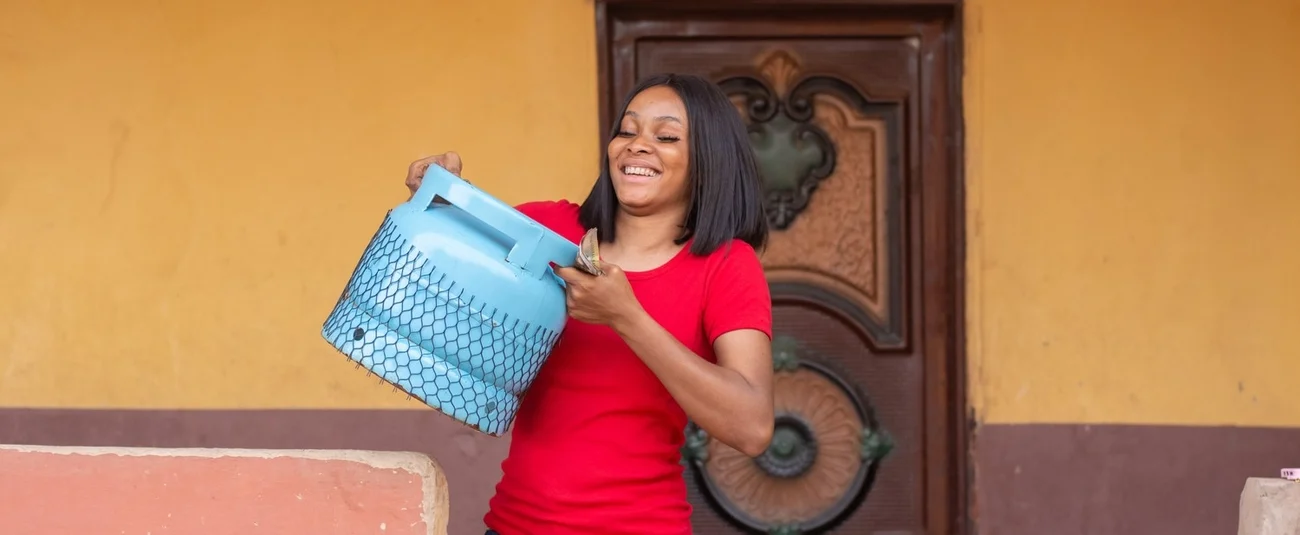
The African Development Bank (AfDB) Group has called for clean cooking to be treated as a development imperative and placed at the heart of Africa's energy transition, at a high-level event held during the 81st United Nations General Assembly in New York on Tuesday.
The High-Level Heads of State Event on Clean Cooking in Africa, convened by Kenya and Norway in collaboration with the International Energy Agency, the Clean Cooking Alliance and UN Energy, marked the first time clean cooking has taken centre stage at the UN General Assembly.
The event brought together heads of state, ministers, multilateral development banks and UN agencies to raise political ambition and accelerate progress toward universal access to clean cooking across Africa.
Nearly a billion Africans still cook with wood or charcoal
Nearly one billion Africans still lack access to clean cooking, forcing many households to rely on wood, charcoal and other traditional biomass fuels that contribute to indoor air pollution, deforestation and lost productivity.
Women and children bear the greatest share of the burden, facing the highest health risks while spending hours collecting fuel that could otherwise go toward education, work or enterprise.
Kenyan President William Ruto, who addressed the event, said clean cooking should be integrated into national planning across African governments.
Kenya will host the second Summit on Clean Cooking in Africa in Nairobi in January 2027, where leaders and partners are expected to convert the political momentum built in New York into concrete investment commitments and implementation plans.
AfDB Group Senior Vice President Marie-Laure Akin-Olugbade, representing President Sidi Ould Tah, said clean cooking can no longer be treated as a secondary issue in the energy transition.
"How a family cooks affects health, forests, productivity, gender equality, and the daily lives of millions of women and children in Africa," she said. "It is therefore not a marginal issue; it is central to development, climate action and human dignity."
Mission 300 has pushed clean cooking into national plans
Akin-Olugbade said Mission 300, the joint initiative between the AfDB and World Bank groups to connect 300 million Africans to electricity by 2030, has helped shift the broader conversation around household energy access.
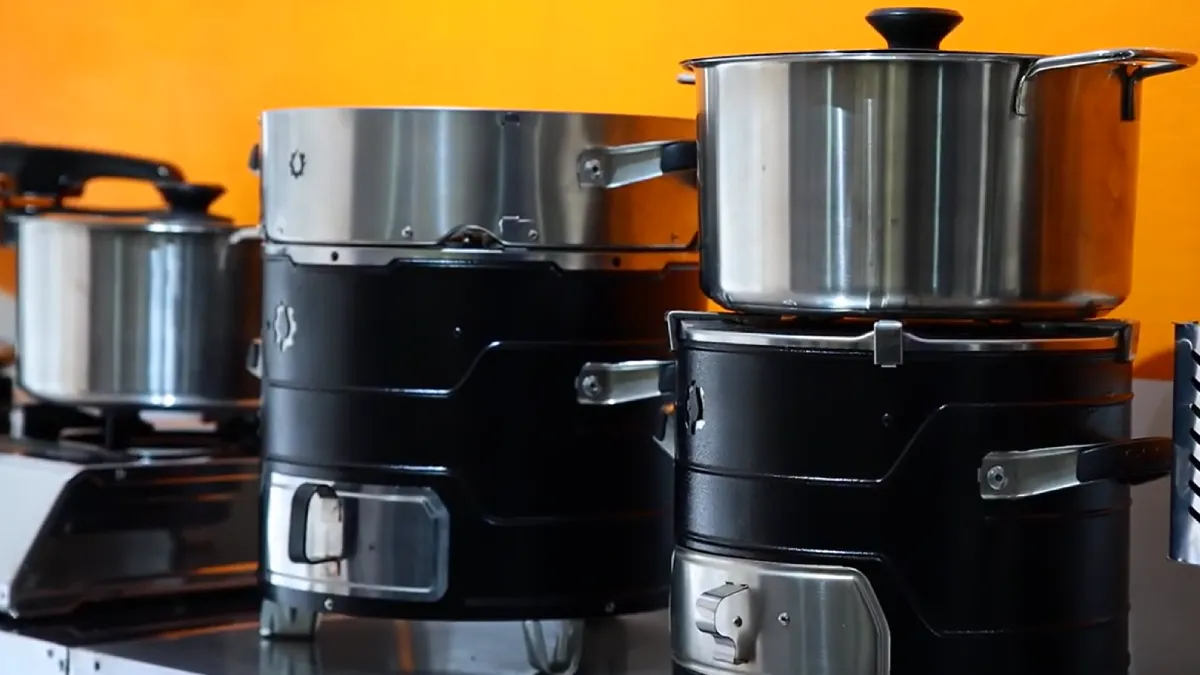
She said all 36 National Energy Compacts adopted so far under the initiative now include clean cooking targets, with countries pursuing a mix of approaches including improved cookstoves, liquefied petroleum gas, electric cooking, biogas, bioethanol and briquettes.
Following the first Summit on Clean Cooking in Africa in 2024, the AfDB Group committed to channel $2 billion over ten years toward clean cooking, and has so far disbursed about $135 million to clean cooking projects, a tenfold increase compared with its cumulative financing for the sector before the 2024 summit.
That support is already visible in several countries: in Uganda, the Bank Group is backing the deployment of biogas plants and subsidies that make efficient electric cooking appliances more affordable; in Tanzania, electric cooking devices are being integrated into wider electrification investments; and in Rwanda, results-based financing, a funding model that releases payment once agreed targets are met, is designed to expand access to clean cooking technologies for 100,000 households and 300 institutions.
The Bank Group is also expanding concessional and catalytic finance for clean cooking through the Rome Process/Mattei Plan Financing Facility and the Africa Clean Cooking Program under the Sustainable Energy Fund for Africa.
The session also saw Ireland pledge €300,000 to support the work of the Clean Cooking Alliance.
"Success will not be measured by the dollars we invest, but by the lives we improve," Akin-Olugbade said.
"Clean cooking must become a central pillar of Africa's energy transition one that demands political leadership, sustained financing and collective action at scale."
How much of the political momentum generated in New York translates into firm financing commitments is likely to become clearer at the Nairobi summit in January 2027.
Related Stories
Sign up for our newsletter.
Get the latest news, expert analysis, and industry insights delivered straight to your inbox. Join thousands of professionals shaping the future of energy.
By submitting my information, I agree to the Privacy Policy and Terms of Service.