Climate & Sustainablity
Climate Shocks Put West Africa’s Farms, Homes, Food Supply at Risk
Experts at the ECOWAS Parliament session in Accra maintain that rising heat, drought, floods, and erratic rainfall are already affecting livelihoods across the region.
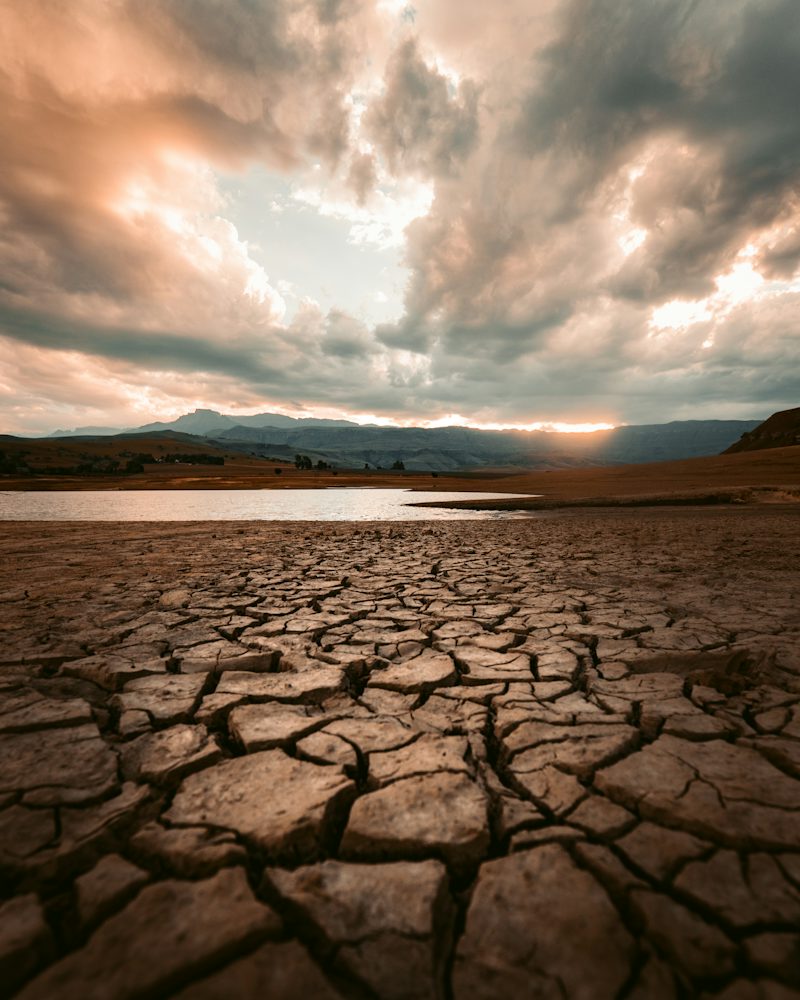
The effects of climate change are reaching farms, homes, roads, power networks and other parts of daily life across West Africa, experts told the ECOWAS Parliament in Accra, Ghana.
They said rising temperatures, drought, heavy rainfall, floods and rising sea levels are putting pressure on people and infrastructure, with farmers, coastal residents, low-income households and displaced people facing particular risks.
The warning came as the ECOWAS Parliament began its Second Extraordinary Session on Monday under the theme, ‘Climate change as a driver of environmental degradation, population displacement and rising insecurity in the ECOWAS region’.
Dr Derek Sarfo-Yiadom, Senior Programme Officer at Ghana’s Environmental Protection Authority, said climate hazards were already affecting communities across the region.
He identified extreme heat, drought, heavy and unpredictable rainfall and rising sea levels among the hazards being experienced.
Sarfo-Yiadom said a climate hazard becomes a disaster when people exposed to it do not have enough capacity to cope.
Heat and rainfall hit livelihoods
Seasonal temperatures in West Africa have risen by between one and three degrees Celsius since 1970, Sarfo-Yiadom said.
The rise has contributed to hotter heatwaves and less predictable weather patterns, he said.
Changes in rainfall are also raising flood risks, with drought and heat placing pressure on farming and other livelihoods.
The impact is not limited to agriculture. The presentation identified homes, irrigation systems, electricity networks, transport routes, ports, markets and public services among areas facing climate risks.
Farmers and low-income communities are particularly exposed, alongside people living in coastal areas and those who have already been displaced.
Sarfo-Yiadom said climate change also has social and economic effects. In places where people depend heavily on farming and natural resources, climate pressure can contribute to displacement and conflict.
He called for more investment in adaptation, flood-proof zoning and climate-risk mapping. He also said early-warning systems should reach vulnerable communities and public authorities should be accountable for climate-related spending.
The concerns raised in Accra point to climate change as an issue that touches several parts of life at once, from food production to housing and public infrastructure.
Climate risks cross borders
Dr Abdou Ali, a climate, water and meteorology expert with the Permanent Inter-State Committee for Drought Control in the Sahel, said West African countries cannot handle such risks separately.
His presentation focused on drought, land degradation and food insecurity, alongside the need for countries to work together on climate risks that cross national borders.
Ali said member states should share climate information, data, technical knowledge and climate services.
He identified agriculture, coastal areas, biodiversity, disaster risk and human displacement as areas requiring coordinated adaptation measures.
He also said climate action should be included in policies covering agriculture, forestry, energy, transport, industrialisation and waste management.
Mr Raoul Kouame, Principal Officer for Climate Change and Climate Services at the ECOWAS Commission, raised another problem: countries do not have the same capacity to respond to climate change.
He identified differences in national capacity, institutional fragmentation and difficulties accessing climate finance as obstacles to regional climate action.
Kouame said ECOWAS needs to harmonise climate policies and standards and help member states carry out their commitments under the Paris Agreement.
He also pointed to climate services, early-warning systems, forest and ecosystem protection, carbon markets and access to climate finance as areas requiring regional cooperation.
He said the region also needs better access to available climate funds and new ways of financing climate programmes.
The week-long parliamentary session was opened by ECOWAS Parliament Speaker Hadja Memounatou Ibrahima. She said the meeting gave delegates an opportunity to begin work on issues before the Parliament.
Related Stories

Sign up for our newsletter.
Get the latest news, expert analysis, and industry insights delivered straight to your inbox. Join thousands of professionals shaping the future of energy.
By submitting my information, I agree to the Privacy Policy and Terms of Service.