Climate & Sustainablity
Africa Clean Cooking Summit Postponed, Virtual Meeting to Proceed in July
Organisers say a high-level online session will still be held to showcase financial commitments and assess progress on clean cooking access across Africa.
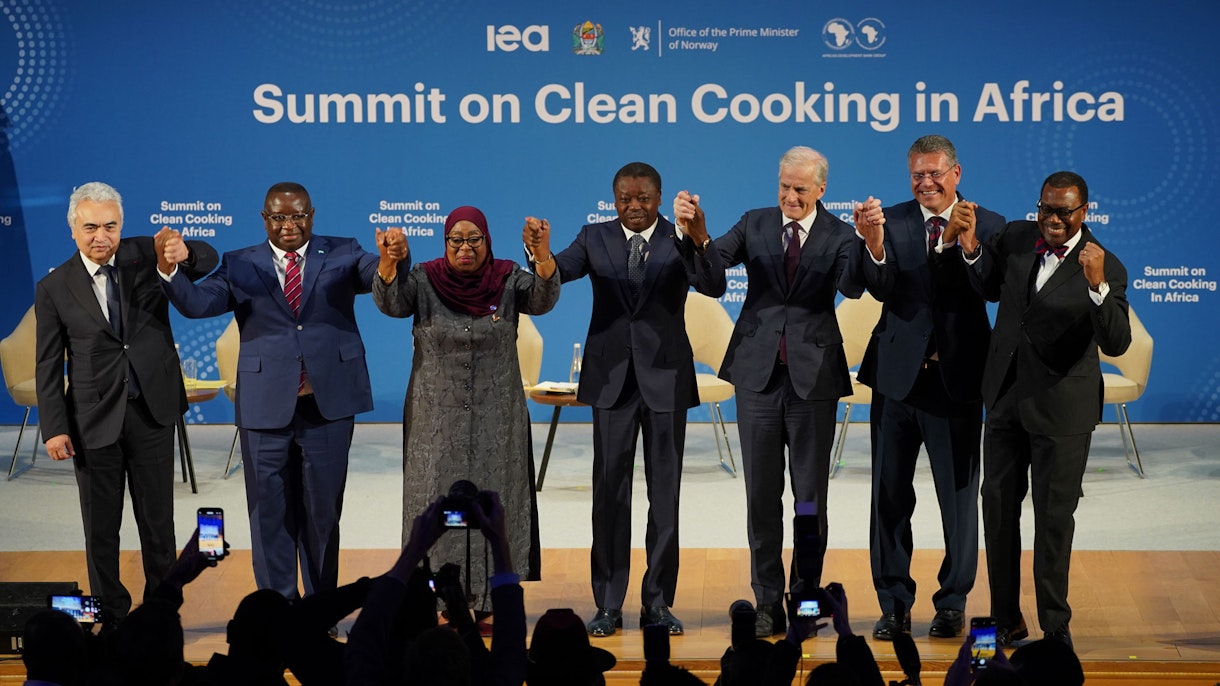
The organisers of the Africa Clean Cooking Summit have postponed the event originally scheduled for July 9–10, 2026, in Nairobi, citing persistent uncertainties and evolving circumstances that could affect participation by key stakeholders.
The summit, organised by the International Energy Agency (IEA), the Government of Kenya, Norway and other international partners, was expected to bring together governments, development institutions and investors to accelerate efforts to expand access to clean cooking solutions across the continent.
Although the physical gathering has been delayed, organisers confirmed that a high-level virtual meeting will proceed on July 9 to present financial commitments made ahead of the summit and review progress achieved since the inaugural event held in Paris in 2024.
According to the organisers, the online session will highlight key outcomes from ongoing initiatives, including significant funding commitments aimed at supporting the transition to cleaner household energy across Africa.
The postponement comes despite notable advances in the sector over the past two years. An IEA briefing published in 2025 indicated that approximately $470 million of the $2.2 billion pledged during the first Africa Clean Cooking Summit had already been disbursed, while more than 70 percent of Africans without access to clean cooking now live in countries that have strengthened related policies since 2024.
Governments across the continent have introduced nearly 40 new policy measures to encourage investment and expand access to cleaner cooking technologies, reflecting growing recognition of the sector’s role in public health, environmental protection and sustainable development.
However, substantial challenges remain. The IEA estimates that around one billion people in sub-Saharan Africa still rely on traditional cooking methods, with household air pollution contributing to approximately 815,000 premature deaths annually.
The delay also highlights the evolving status of clean cooking within Africa’s broader energy transition. Once overshadowed by efforts to expand electricity access, clean cooking has increasingly become a strategic priority for governments, development partners and private investors seeking to address energy poverty while reducing emissions and improving health outcomes.
While a new date for the summit has yet to be announced, organisers say engagement with stakeholders will continue as momentum builds around financing, policy reforms and practical solutions to accelerate universal access to clean cooking across the continent.
Related Stories
Africa Clean Cooking Summit Postponed, Virtual Meeting to Proceed in July

Powerstove Wins N1.8 Billion Catalytic Funding to Expand Clean Cooking Solutions in Nigeria
COP31 Unveils Global Push to Raise Electricity Use to 35% by 2035

Rwanda Cuts 1.5 Million Tonnes of Emissions, Advances Climate Goals Despite Funding Gap
Sign up for our newsletter.
Get the latest news, expert analysis, and industry insights delivered straight to your inbox. Join thousands of professionals shaping the future of energy.
By submitting my information, I agree to the Privacy Policy and Terms of Service.