Climate & Sustainablity
Rwanda Cuts 1.5 Million Tonnes of Emissions, Advances Climate Goals Despite Funding Gap
A new transparency report shows Rwanda has achieved 36 per cent of its 2030 emissions reduction target through coordinated climate action.

Rwanda has cut greenhouse gas emissions by 1.5 million tonnes amid continued expansion of renewable energy, climate-smart agriculture and environmental conservation programmes.
The reduction represents 36 per cent of the 4.4 million-tonne emissions cut targeted by 2030 under the country’s national climate action plan, according to the Rwanda Environment Management Authority (REMA).
The achievement is contained in Rwanda’s First Biennial Transparency Report submitted under the Paris Agreement, which tracks progress in emissions reduction, climate adaptation and climate finance mobilisation.
REMA attributed the gains to investments in renewable energy, energy efficiency, climate-smart agriculture and improved waste management systems.
Renewable energy now accounts for 51 per cent of Rwanda’s energy mix, while forest cover has expanded to 30.4 per cent, reinforcing efforts to build a low-carbon economy.
Despite the progress, agriculture remains the country’s largest source of greenhouse gas emissions, contributing 39 per cent of the total, followed by energy at 18 per cent, waste at 13 per cent and industry at 2 per cent.
The report also highlights notable improvements in climate adaptation, with anti-erosion measures increasing from 68 per cent to 92 per cent between 2018 and 2023, while irrigation coverage doubled from 5 per cent to 10 per cent.
Irrigated farmland has expanded to 71,500 hectares, alongside improvements in crop and livestock insurance aimed at strengthening resilience against climate-related shocks.
Climate finance mobilisation has also recorded strong progress, with Rwanda securing 93.3 per cent of its funding target for the 2020–2025 period through the Rwanda Green Fund, international partners and other financing sources.
However, officials warned that a substantial financing challenge remains. Although about $4.7 billion has been mobilised, an estimated $6.2 billion funding gap persists against the country’s revised climate investment requirements.
The updated climate strategy now targets a 53 per cent reduction in emissions, equivalent to 14.86 million tonnes, by 2035 through expanded renewable energy, cleaner transport, sustainable forestry, improved waste management and industrial decarbonisation.
Related Stories
Rwanda Cuts 1.5 Million Tonnes of Emissions, Advances Climate Goals Despite Funding Gap
COP31 Unveils Global Push to Raise Electricity Use to 35% by 2035
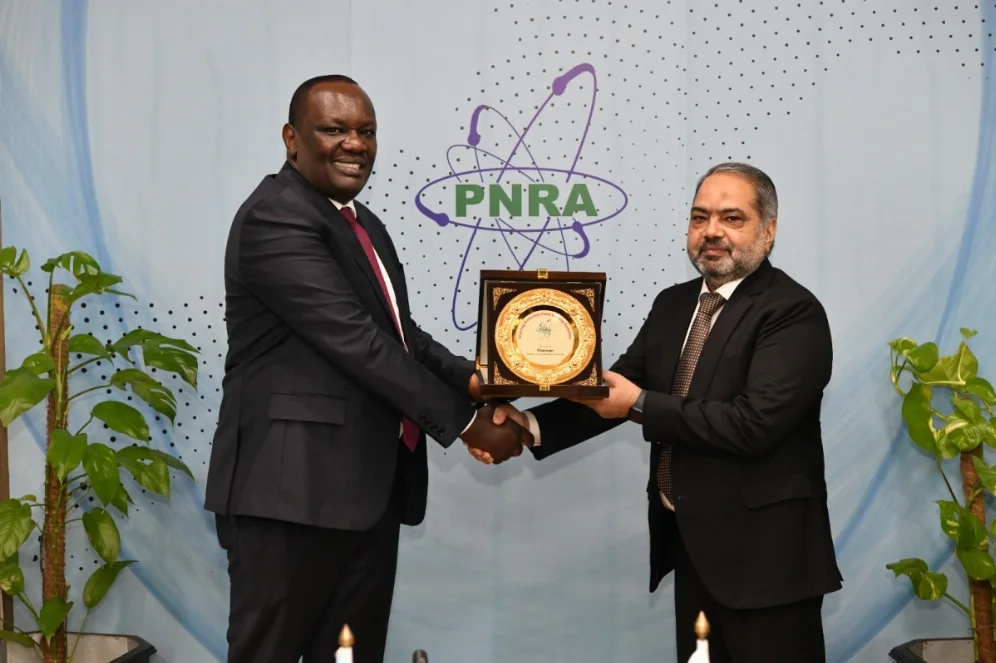
Rwanda, Pakistan Enter Cooperation in Nuclear Energy Regulation
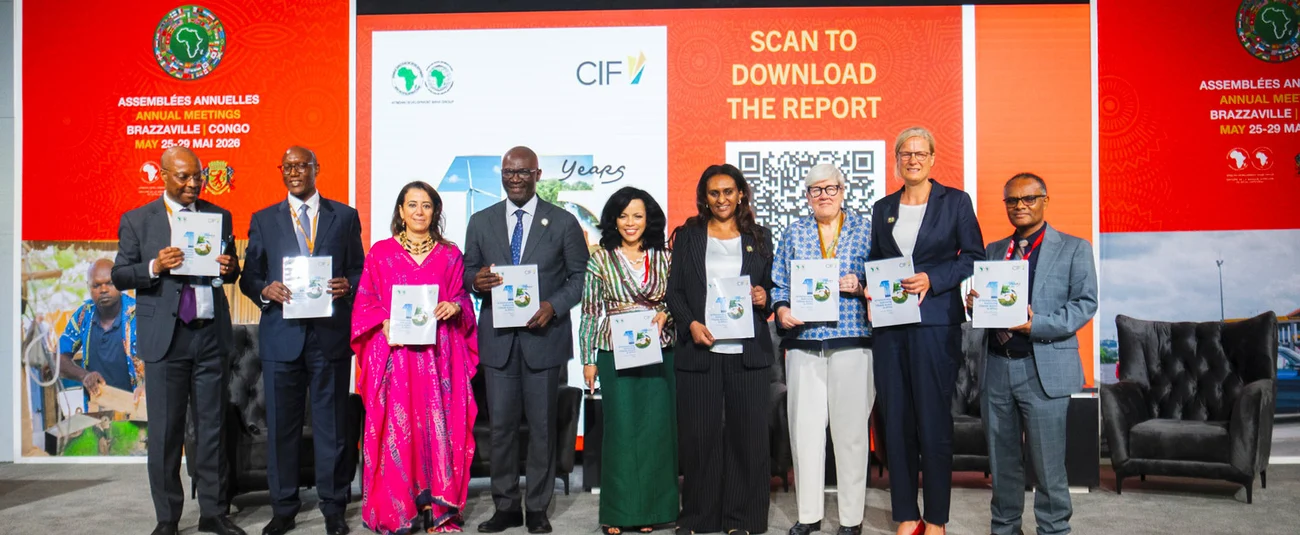
Africa Marks 15 years of Climate Finance Partnership, Calls for Scaled Delivery Before COP32
Sign up for our newsletter.
Get the latest news, expert analysis, and industry insights delivered straight to your inbox. Join thousands of professionals shaping the future of energy.
By submitting my information, I agree to the Privacy Policy and Terms of Service.