Climate & Sustainablity
COP31 Unveils Global Push to Raise Electricity Use to 35% by 2035
The Presidency intends to form a global coalition to mobilise technical support, capacity building and financing for developing countries advancing cleaner energy transitions.
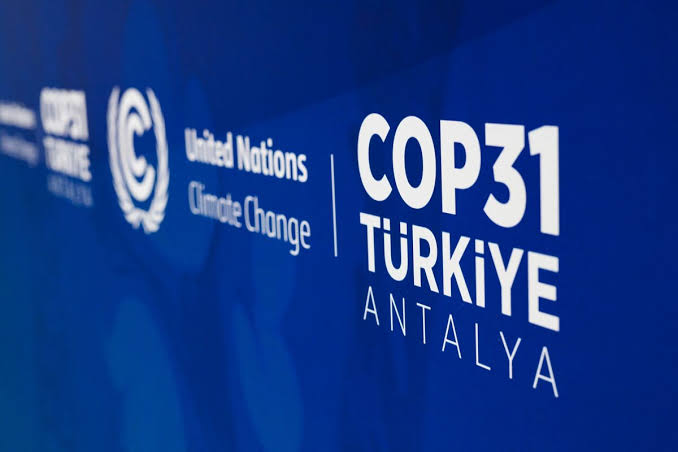
The incoming COP31 Presidency has launched an ambitious global initiative aimed at accelerating the transition to cleaner energy by increasing the share of electricity in final energy consumption to 35 per cent by 2035.
The proposal, unveiled by COP31 President-Designate and Türkiye’s Minister of Environment, Urbanisation and Climate Change, Murat Kurum, forms a key pillar of the conference’s Action Agenda and seeks to speed up the replacement of direct fossil fuel use with electricity across transport, buildings and industry.
The target comes as governments worldwide intensify efforts to cut greenhouse gas emissions while improving energy security and reducing dependence on volatile fossil fuel markets.
According to the COP31 Presidency, electricity currently accounts for just over 20 per cent of global final energy demand, leaving significant room for expansion through wider adoption of renewable energy technologies and electrification.
To support the initiative, the Presidency plans to establish a global coalition that will mobilise technical assistance, capacity building and financing, particularly for developing countries pursuing cleaner energy pathways.
The target is based on assessments by the International Energy Agency (IEA) and the International Renewable Energy Agency (IRENA), which indicate that faster electrification is critical to keeping global warming within the 1.5 degrees Celsius limit set under the Paris Agreement.
Alongside the electrification goal, the COP31 Presidency announced plans to halve the growth of global waste by 2035 and reduce energy consumption intensity in the building sector by at least 25 per cent over the same period.
The Presidency also unveiled the Climate Implementation Bridge, an initiative designed to better align climate action with national economic and development priorities while improving access to financing for implementation.
Australia, which is partnering with Türkiye on COP31 preparations, will work with the IEA to produce special reports outlining practical pathways to achieving the 35 per cent electrification target and advancing circular economy measures.
Speaking at the launch, Kurum said expanding electricity use across key sectors would protect households and businesses from energy price volatility while accelerating the transition away from fossil fuels.
Australian Minister for Climate Change and Energy Chris Bowen described electrification as one of the fastest ways to strengthen energy security, lower emissions and reduce energy costs.
The initiative has also received backing from international organisations including the UN Framework Convention on Climate Change (UNFCCC), the IEA, IRENA and the Global Renewables Alliance, all of which highlighted electrification as a critical driver of economic growth, cleaner energy systems and long-term climate resilience.
The proposed target is expected to become one of the defining priorities of COP31 as governments prepare for negotiations and implementation discussions ahead of the summit.
Related Stories

Rwanda Cuts 1.5 Million Tonnes of Emissions, Advances Climate Goals Despite Funding Gap
COP31 Unveils Global Push to Raise Electricity Use to 35% by 2035
Rwanda, Pakistan Enter Cooperation in Nuclear Energy Regulation
Africa Marks 15 years of Climate Finance Partnership, Calls for Scaled Delivery Before COP32
Sign up for our newsletter.
Get the latest news, expert analysis, and industry insights delivered straight to your inbox. Join thousands of professionals shaping the future of energy.
By submitting my information, I agree to the Privacy Policy and Terms of Service.