Power
Africa Energy Indaba 2026: Ethiopia Unveils National Energy Compact
The plan outlines targets to raise electrification, expand renewable energy capacity, and attract investment while strengthening regional power trade.
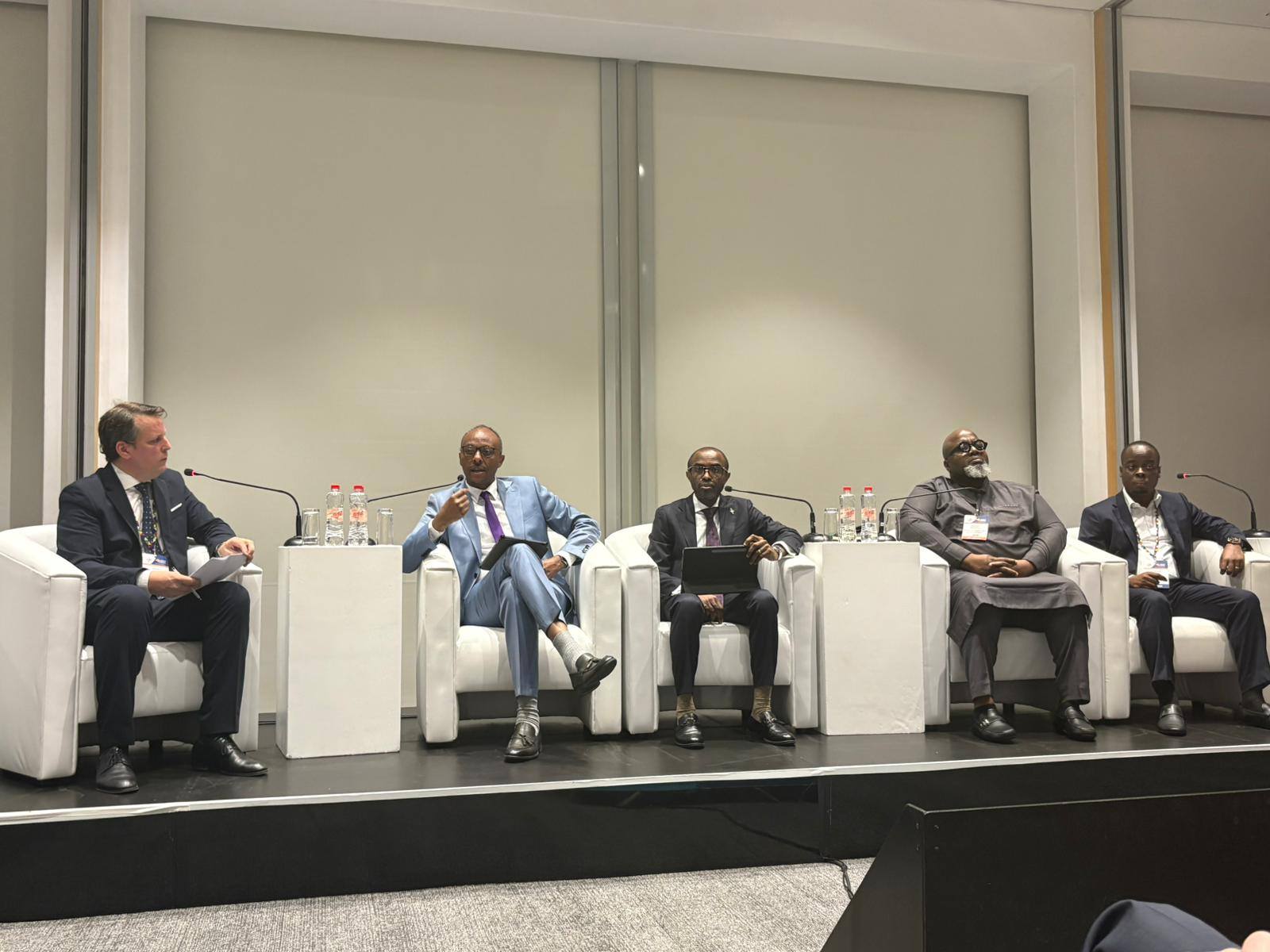
Ethiopia has presented its National Energy Compact at the Mission 300 Conference held on the sidelines of the Africa Energy Indaba in Cape Town, South Africa, outlining a roadmap to expand electricity access, attract investment and strengthen its renewable-based power sector.
The conference, organised under the Mission 300 energy access initiative of the World Bank and the African Development Bank, seeks to provide electricity access to 300 million people across Sub-Saharan Africa by 2030. The gathering brought together energy and finance ministers, development partners, lenders and private sector leaders to accelerate energy access across the continent.
Presenting the compact at the forum, Habtamu Itefa, Ethiopia’s Minister of Water and Energy, said the strategy is built on five pillars: expanding electricity and clean cooking access, strengthening energy infrastructure, increasing regional power trade, enhancing institutional capacity in the sector and promoting private sector participation.
Habtamu said the government aims to achieve 75 per cent national electrification coverage by 2030, a target expected to bring electricity to an additional 50 million people in Ethiopia.
The minister noted that the country is building on its renewable energy base, which is dominated by hydropower, while expanding generation, transmission and distribution infrastructure. Ethiopia plans to increase its installed power generation capacity to 14,000 megawatts by 2030 while maintaining its position as one of Africa’s leading renewable energy producers.
The compact also prioritises expanding clean cooking access to 58 per cent of the population as part of broader efforts to improve energy access and reduce environmental impacts.
Habtamu highlighted Ethiopia’s role in regional energy integration, noting that the country already exports electricity to neighbouring states and is developing additional cross-border interconnections to strengthen regional power trade.
He also pointed to reforms aimed at improving efficiency and financial sustainability in the power sector while creating a more favourable environment for private investment.
Ethiopia is part of the second cohort of countries under Mission 300 and developed its National Energy Compact to accelerate electrification and mobilise large-scale investment.
The compact was formally endorsed on the sidelines of the United Nations General Assembly in September 2025 in the presence of Taye Atske Selassie, president of Ethiopia.
Launched in April 2024 by the World Bank Group and the African Development Bank, Mission 300 is a flagship initiative designed to significantly expand electricity access across Sub-Saharan Africa through policy reforms, increased financing and stronger public-private partnerships.
Related Stories
Sign up for our newsletter.
Get the latest news, expert analysis, and industry insights delivered straight to your inbox. Join thousands of professionals shaping the future of energy.
By submitting my information, I agree to the Privacy Policy and Terms of Service.