Power
REA Remains Focused on Tackling Nigeria’s Electricity Challenges - REA
Nigeria’s Rural Electrification Agency says new renewable energy projects, mini-grids and solar initiatives are underway to address electricity shortages and expand power access nationwide.
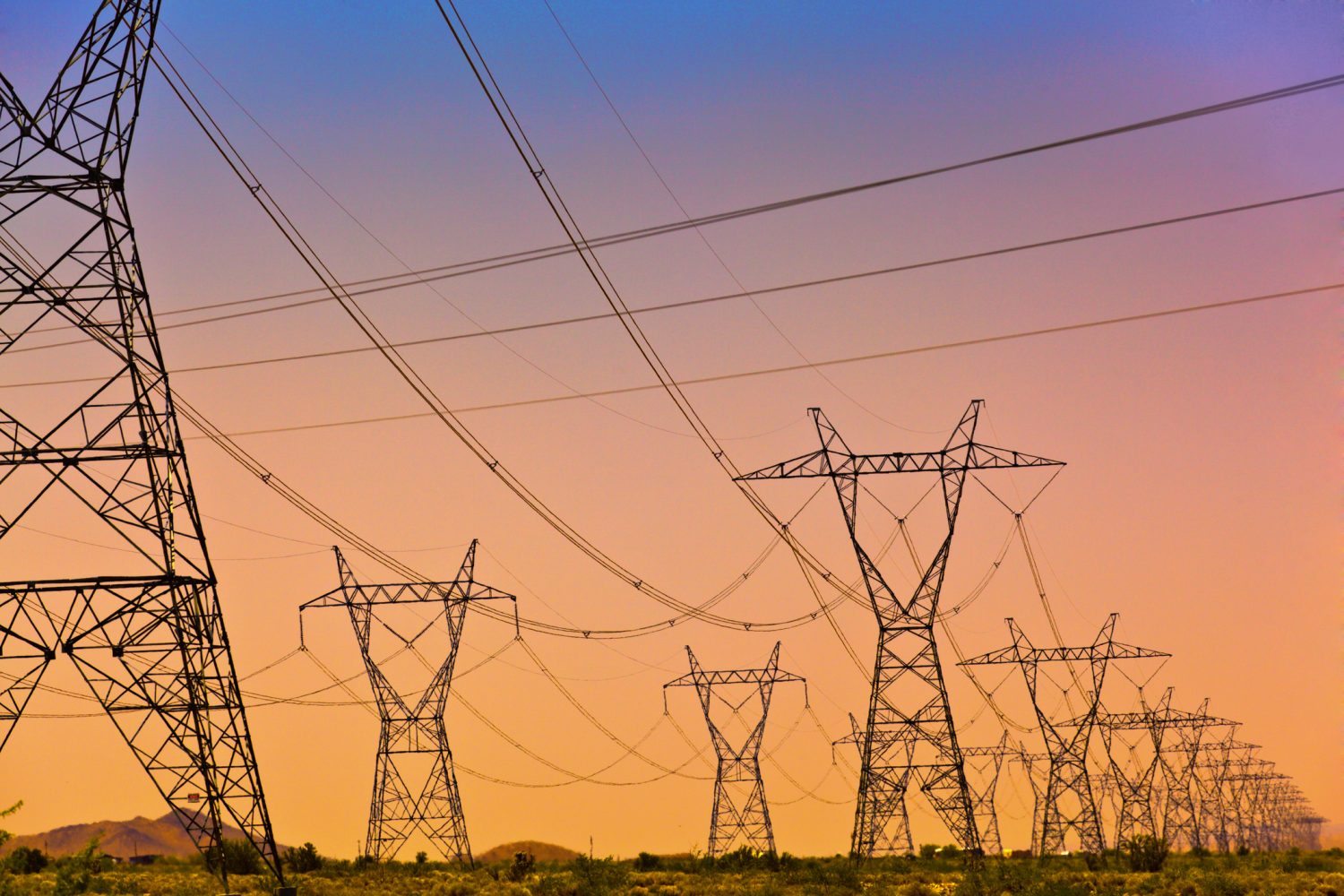
The Managing Director of the Rural Electrification Agency (REA), Abba Abubakar Aliyu, has reiterated the agency’s commitment to tackling Nigeria’s electricity access challenges through large-scale renewable energy projects.
Aliyu said that under the administration of President Bola Tinubu, Nigeria was implementing what he described as the biggest publicly funded renewable energy projects in the world.
He made the remarks while receiving a delegation from the National Judicial Institute (NJI) led by its Administrator, Justice Babatunde Adejumo (rtd), at the agency’s headquarters on Thursday in Abuja.
He said a 750 million dollar initiative is expected to catalyse about 1.1 billion dollars in private sector investment to deploy 1,350 mini-grids across the country. Going further, he explained that about 250 of the mini-grids would be interconnected systems designed to strengthen the national electricity grid.
“For the first time, we are witnessing the implementation of the biggest publicly funded renewable project in the entire world. A 750 million dollar project that will catalyse 1.1 billion dollars in private sector funding to deploy 1,350 mini-grids, of which 250 will be interconnected mini-grids,” he said.
Aliyu also spoke about progress under the Energising Education Programme, which provides solar-powered electricity to universities and teaching hospitals across Nigeria. He said that 15 projects had already been completed, including major installations at the University of Maiduguri and its teaching hospital.
He said the agency has deployed 12 megawatts of solar power at the University of Maiduguri and is expanding distribution networks to support facilities such as water treatment plants.
The MD added that similar projects had been implemented at several other institutions including the Federal University Yobe, Federal University of Agriculture in Akure, Nasarawa State University in Lafia, Federal University in Lokoja, and institutions in Imo, Ebonyi, Port Harcourt, Uyo and Calabar.
Aliyu said eight additional projects were currently under development at institutions including Obafemi Awolowo University, University of Lagos, University of Ibadan and its teaching hospital, University of Nigeria Nsukka, Ahmadu Bello University, University of Benin, Federal University Wukari and Federal University Dutse.
He noted that the Federal Government had also approved 100 billion naira for the National Public Sector Solarisation Initiative aimed at expanding solar power installations across government institutions. He also said that more than 1,000 mini-grids have already been deployed nationwide, while over 50 interconnected mini-grids are expected to inject more than 200 megawatts of electricity into the national grid.
“This is the quantum of infrastructure that is being deployed across the country to address the electricity access challenge,” he said.
Earlier, the NJI Administrator, Justice Adejumo, described electricity shortages as one of Nigeria’s biggest development challenges. He said stable power supply was essential for economic growth and the functioning of small businesses such as barbers, tailors and artisans.
Adejumo also urged other government agencies to emulate the REA’s efforts in promoting renewable energy and supporting economic development. He added that the institute was interested in collaborating with the agency to deploy renewable energy solutions to power its facilities.
Related Stories

Sign up for our newsletter.
Get the latest news, expert analysis, and industry insights delivered straight to your inbox. Join thousands of professionals shaping the future of energy.
By submitting my information, I agree to the Privacy Policy and Terms of Service.