Renewables |Finance
Africa Gets 2% of Global Clean-Energy Investment, Needs $240bn Annually
Africa Energy Indaba says connecting projects with capital, technology and expertise will be critical to closing the continent’s energy investment gap
Africa attracts only about two per cent of global clean-energy investment, yet the continent needs almost $240 billion every year by 2030 to meet its energy needs, the International Energy Agency (IEA) has said.
The funding gap comes as electricity demand rises and African economies seek more power for industries, mining, agriculture, transport and digital services. About half of the required annual investment is expected to go into electricity.
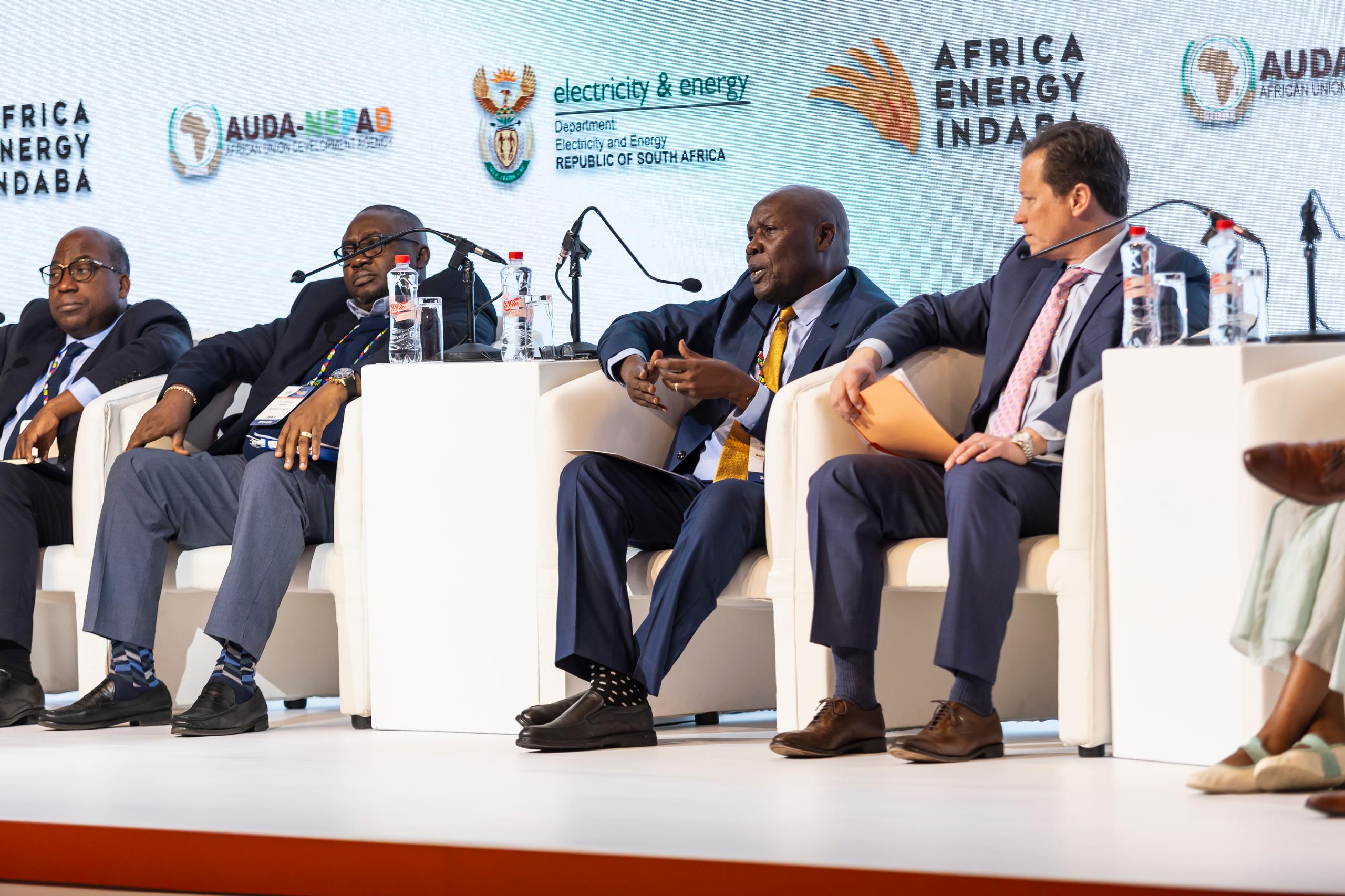
The figures were released ahead of the 2027 Africa Energy Indaba, scheduled for March 2 to 4 in Cape Town, South Africa. The meeting will bring African governments, investors, banks, energy companies and technology providers together around the continent's energy needs.
Resources without enough investment
Africa has large solar and wind resources, hydropower and natural gas potential. It also has opportunities in geothermal energy, green hydrogen and other emerging technologies.
Yet these resources need money, technology and skilled workers before they can become working energy infrastructure.
The required funding covers power generation, transmission and distribution, renewable energy, battery storage, oil and gas, grid modernisation and digital infrastructure.
The IEA's World Energy Investment 2025 report says Africa has about 20 per cent of the world's population but receives only two per cent of global clean-energy investment.
Governments cannot provide all the money needed for the scale of infrastructure required. Private investors, commercial banks, development finance institutions, institutional investors and infrastructure funds will therefore have an important place in financing the sector.
Liz Hart, Managing Director of the Africa Energy Indaba, said the focus should also be on what increased electricity supply can help African economies produce.
“We should not simply be asking how many megawatts Africa is adding. We should be asking what economic activity those megawatts will enable,” Hart said.
Africa Energy Indaba to connect investors and projects
The Africa Energy Indaba will provide a meeting point for governments, utilities, regulators, project developers, independent power producers, investors, financiers, technology companies and major energy users.
Project developers and governments will be able to meet potential financiers and technology providers, while investors will have access to governments, utilities and project owners.
Technology and energy companies will also have opportunities to study market needs, establish partnerships and develop business in African energy markets.
Hart said the continent now needs greater focus on delivering projects after years of discussions about its energy problems.
“Africa has spent many years discussing its energy challenges. The next decade must increasingly be about implementation,” she said.
She said Africa has the resources, demand and opportunity, while the international market has capital, technology and expertise.
“Our task now is to connect them – and turn Africa's energy potential into infrastructure, investment, industrialisation and economic growth,” Hart said.
Related Stories
Sign up for our newsletter.
Get the latest news, expert analysis, and industry insights delivered straight to your inbox. Join thousands of professionals shaping the future of energy.
By submitting my information, I agree to the Privacy Policy and Terms of Service.