Renewables
Ethiopia Eyes Cheaper Freight as Electric Trucks Enter Ethio-Djibouti Trade Route
TradeMark Africa says Ethiopia’s renewable electricity could cut diesel dependence and lower the cost of moving goods along its main trade corridor.
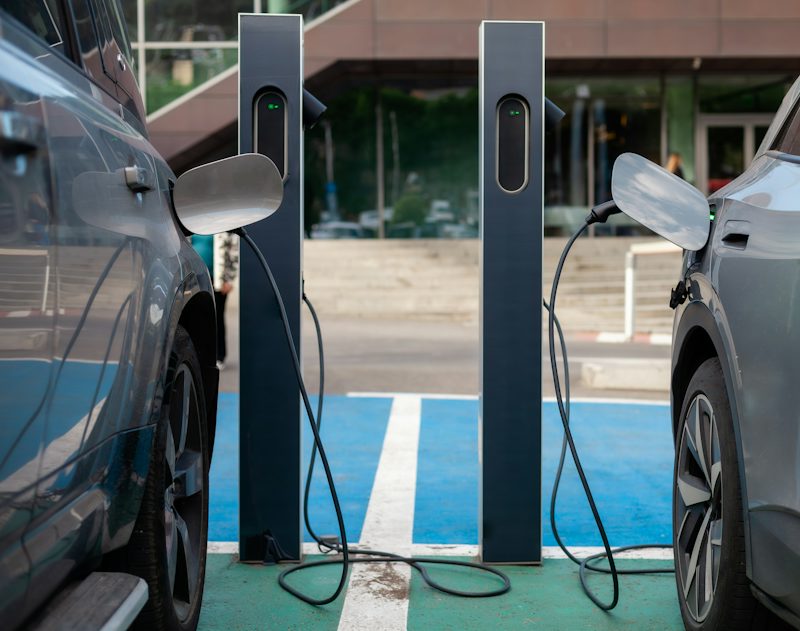
Ethiopia is developing electric trucking on the Ethio-Djibouti corridor as part of a five-year electric mobility strategy, with cheap renewable electricity expected to lower freight costs and reduce diesel use.
The plan connects Ethiopia’s expanding hydropower supply, including electricity from the Grand Ethiopian Renaissance Dam (GERD), with the transport of import and export cargo along one of the country’s main trade routes.
Ewnetu Taye, TradeMark Africa’s Country Director for Ethiopia, gave the assessment in an interview with ENA during the Nordic Africa EV Summit in Addis Ababa, held from September 14 to 16.
He said electricity could give Ethiopia a cheaper source of power for transport because much of the country’s electricity comes from renewable sources, especially hydropower.
“Using the electricity, which is cheap in Ethiopia, is reducing cost of transport,” Ewnetu said.
The change could have a direct effect on freight businesses that depend on diesel-powered trucks to carry goods along major trade corridors.
Electric trucks take aim at freight costs
Ewnetu said cheaper transport could improve the competitiveness of Ethiopian imports and exports by reducing the cost of moving goods along major trade routes.
Lower freight costs could also support trade and job creation, giving the electric mobility programme an economic purpose beyond cutting carbon emissions.
The freight sector is a major focus of the plan. Ethiopia is already developing electric trucking initiatives along major trade corridors, with the Ethio-Djibouti route identified as a major area of work.
The corridor carries import and export cargo and is included in Ethiopia’s five-year electric mobility strategy.
Electric trucks on the route could allow Ethiopia to use more of its domestic renewable electricity for transport. They could also reduce the cost linked to diesel-powered freight movement.
But the transition will require more than replacing diesel trucks with electric ones.
Ewnetu said Ethiopia needs charging facilities, suitable road systems and local technical skills to support electric freight transport along major corridors.
Experiences from Nordic countries and other African countries have helped identify some of the practical needs and skills gaps that Ethiopia must deal with as it develops its electric trucking system.
TradeMark Africa is working with partners on electric trucking projects, particularly along the Ethio-Djibouti corridor.
The organisation says Ethiopia’s renewable energy supply gives the country a useful base for electric mobility because transport can use locally generated electricity instead of relying heavily on imported diesel.
Ethiopia’s hydropower expansion is part of that energy base. The country is also carrying out large-scale tree planting initiatives as part of its environmental sustainability work.
Ewnetu said these activities could provide lessons for other African countries working on renewable energy and climate-related development.
TradeMark Africa backs trade facilitation, regional integration and market access across Africa as an Aid for Trade organisation.
Related Stories


Sign up for our newsletter.
Get the latest news, expert analysis, and industry insights delivered straight to your inbox. Join thousands of professionals shaping the future of energy.
By submitting my information, I agree to the Privacy Policy and Terms of Service.