Power |Finance
Africa Needs $150bn for Universal Power by 2035 - IEA
The IEA's $150bn electricity-access estimate exposes a stark mismatch: most of Africa's unconnected population lives in rural areas, yet financing keeps flowing to cities.
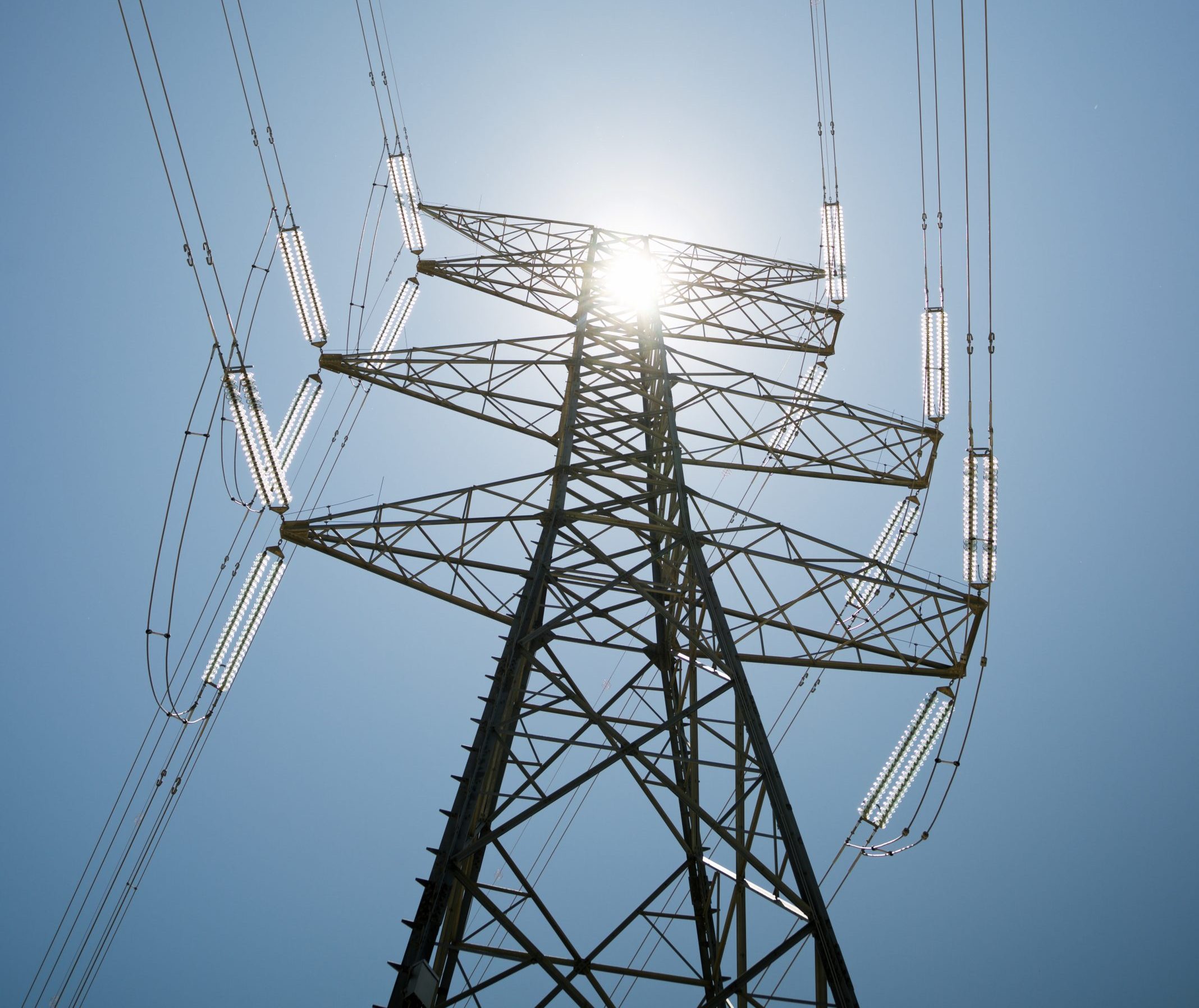
Nigeria and other African countries need nearly $150 billion in cumulative investment, about $15 billion annually, to achieve universal electricity access by 2035, the International Energy Agency (IEA) has said, a figure far exceeding the less than $2.5 billion committed to new electricity-access connections across sub-Saharan Africa in 2023, the latest year for which complete data are available.
The IEA said almost half of the required annual investment, about $7 billion, would need to go toward expanding electricity grids, while a further $5 billion annually would be needed for mini-grids and $3 billion for solar home systems.
Although the 2023 financing figure was about a quarter higher than the 2019 level, it remains well short of what the agency says is required.
Financing remains heavily reliant on public money
The IEA said electricity-access financing has depended disproportionately on public sources, with international public finance providing $1.8 billion in 2023, compared with just $640 million from private finance, representing less than 30% of total commitments.
It said the challenge is particularly acute because electricity-access projects often operate on thin profit margins, while low household incomes limit how much consumers can pay for connections and electricity services.
Under the agency's ACCESS scenario, designed to achieve universal electricity access by 2035, private investment would need to account for roughly 45% of total spending, a major increase from current levels.
Concessional finance, lending offered on more favourable terms than the market would normally provide, would need to rise to about $6.2 billion annually, nearly six times the average recorded between 2019 and 2023.
The IEA explained that these limited concessional resources would have to be targeted strategically at areas unlikely to attract commercial capital on their own, including low-income and vulnerable communities, early-stage projects and companies, and technical assistance and capacity building.
Financing is concentrated in a handful of countries and in cities
The agency said electricity-access financing remains geographically concentrated, with half of all tracked finance flows going to just six countries: Angola, Kenya, Mozambique, Nigeria, Senegal and South Africa.
It also noted a persistent mismatch between where the unconnected population lives and where financing goes: about 80% of people without electricity access live in rural areas, yet financing continues to favour urban projects.
Equity capital was identified as another major constraint, averaging only about $450 million annually between 2019 and 2023, with much of it concentrated in already mature companies and established markets.
Under the universal-access pathway, the IEA projected equity financing would need to rise roughly tenfold to $5 billion annually, while debt financing would need to increase fivefold to $7 billion a year.
Affordability is a separate challenge from access
Beyond the cost of building new connections, the IEA said affordability presents a distinct financing challenge.
It estimated that an additional $2 billion annually would be required to keep basic electricity services affordable, particularly for low-income households, and said about 220 million people would be unable to afford its defined basic electricity-service bundle based on current income and subsidy levels, underscoring the need for financing mechanisms that address both infrastructure costs and consumers' ability to pay.
The agency said Africa could attract more private capital through stronger regulatory frameworks, improved project bankability, risk-mitigation instruments and greater use of domestic capital markets, citing Nigeria's development of mini-grid regulations and growing use of domestic financing mechanisms as examples of measures that could help mobilise private investment.
The IEA said closing the gap by 2035 will require governments, development finance institutions and private investors to substantially increase their collective investment, while ensuring concessional resources are directed toward projects and communities that commercial finance alone cannot adequately serve.
Related Stories
Sign up for our newsletter.
Get the latest news, expert analysis, and industry insights delivered straight to your inbox. Join thousands of professionals shaping the future of energy.
By submitting my information, I agree to the Privacy Policy and Terms of Service.