Power
African Union Launches Body to Link Continent's Power Grids
Africa's push to let countries trade electricity across borders took a step forward, but the real test will be whether this translates into fewer blackouts for ordinary households.
The African Union has set up a new oversight committee to push forward a long-standing goal: letting countries buy and sell electricity across African borders, the way EU countries already do, instead of each nation being stuck relying only on its own power plants.
The idea, known as the African Single Electricity Market (AfSEM), would allow a country with surplus power, say, from a large hydro dam or solar farm, to sell that electricity to a neighbouring country facing shortages, rather than letting it go to waste while the other country suffers blackouts.
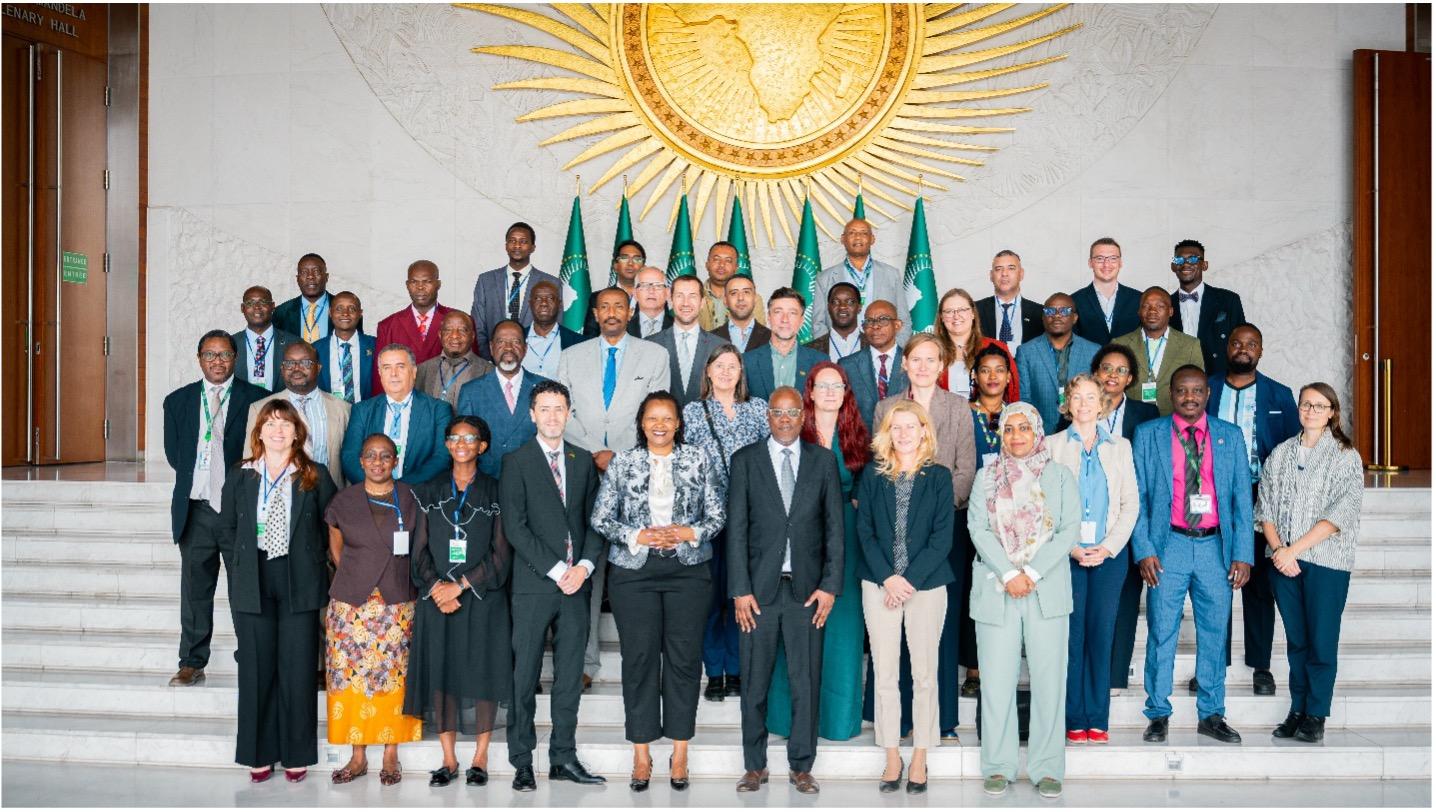
The new committee, launched at a three-day meeting in Addis Ababa from September 28 to 30, is meant to turn that idea from a policy document into something that actually works.
Why this matters for ordinary people
For a household or business in a country with unreliable power, this kind of cross-border electricity trade could eventually mean fewer blackouts and lower costs.
Much of Africa already has regional "power pools," groups of neighbouring countries that share electricity to some degree, such as the Southern African Power Pool and the Central African Power Pool.
But these regional systems don't yet talk to each other smoothly, and there's no single continent-wide system linking them all.
AfSEM is meant to eventually connect these regional pools into one larger network, so that electricity can move wherever it's needed most, similar to how European countries can import power from each other during shortages instead of running expensive backup generators.
Kamugisha Kazaura, the African Union's Director for Infrastructure and Energy, said this work has moved past the stage of simply talking about the idea.
"Africa's electricity market integration is no longer simply an aspiration; it is becoming an implementation agenda," he said.
He added that the project's real test will not be how well it's planned on paper, but whether people actually feel the benefits.
"The success of AfSEM will be measured not by the strength of its architecture on paper, but by the electricity that eventually flows across African borders, the markets that become operational, the investments that are mobilised, and the millions of Africans and African businesses that ultimately benefit from a more reliable, affordable and integrated electricity system."
What was actually agreed
At the meeting, African Union officials and representatives from regional power pools, energy regulators, and international partners, including the African Development Bank, the European Union and Germany's development agency GIZ, agreed on how the new oversight committee will be run and who sits on it.
They also launched smaller technical working groups, teams of experts from different countries and institutions, who will handle the detailed, practical work needed to connect different countries' power systems, such as agreeing on common rules and technical standards so that electricity generated in one country can safely flow into another's grid.
Delegates also studied how Europe built its own interconnected electricity market, looking at lessons that might apply to Africa, while acknowledging that Africa's power systems, regulations and institutions are at a very different stage of development.
What happens next
The meeting ended with officials agreeing on a timeline and on which institutions are responsible for which next steps, but no date was set for when cross-border electricity trading under this system might actually begin.
In other words, this meeting formalised the structure meant to get AfSEM moving, but the harder work, actually linking countries' grids and letting electricity flow between them, still lies ahead.
Related Stories
Sign up for our newsletter.
Get the latest news, expert analysis, and industry insights delivered straight to your inbox. Join thousands of professionals shaping the future of energy.
By submitting my information, I agree to the Privacy Policy and Terms of Service.