Renewables |Finance
Africa’s Clean Energy Fund Plans to Double Financing to $2.5bn
The African Development Bank’s Sustainable Energy Fund for Africa aims to scale up clean energy financing, mobilising private investment and supporting projects across the continent.
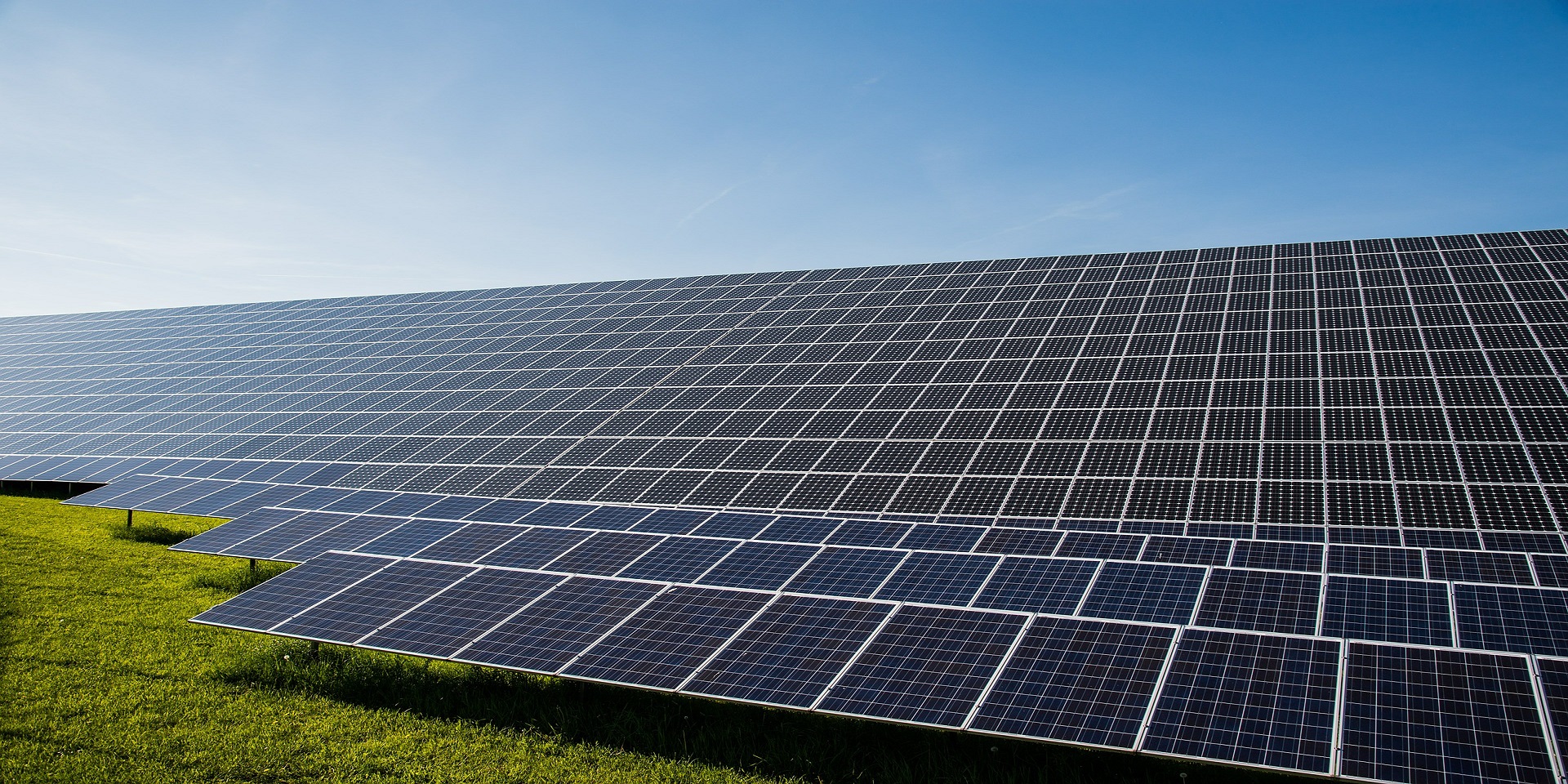
Africa’s flagship clean energy fund is set to more than double its financing to $2.5 billion over the next two years, as momentum grows behind the continent’s energy transition.
The African Development Bank’s (AfDB) Sustainable Energy Fund for Africa (SEFA) has mobilised about $1 billion in commercial capital since its launch. Contributions to SEFA rose to $88 million in 2025, up from $54.3 million the previous year, signaling renewed investor confidence in African renewables.
“Based on our projects pipeline, we projected capital mobilisation to climb to $2.5 billion,” said Joao Duarte Cunha, manager of the bank’s Renewable Energy Funds Division and the Sustainable Energy Fund for Africa.
“By 2030, we expect our portfolio to yield over $10 billion in commercial capital mobilised,” he said.
The contributions to SEFA rose to $88 million in 2025, mostly from European Union member countries. That was up from $54.3 million the year before, the regional lender said during its recent governing council meeting.
Kevin Kariuki, AfDB Vice President for Power, Energy, Climate and Green Growth, highlighted SEFA’s catalytic role in accelerating approvals, disbursements, and on-the-ground impact. Germany and Italy contributed $40.1 million and $5.9 million respectively last year, supporting SEFA’s goal of universal energy access and green hydrogen initiatives.
In 2024, SEFA approved 14 renewable energy projects across Kenya, Nigeria, Burkina Faso, Ethiopia, and Chad, adding 840 MW of generating capacity and delivering 1.5 million new electricity connections. Most projects focus on green baseload, ensuring minimum energy supply to meet national demand, alongside mini-grids and energy efficiency initiatives.
“The last two years have been among our strongest, with 27 projects approved — also broadly comparable in funding volumes and significantly higher than earlier years,” said Cunha.
“Demand for catalytic financing and upstream support continues to grow, and we remain deeply committed to driving the energy transition and achieving universal energy access by 2030,” he said.
Meanwhile, in 2025, SEFA approved 13 renewable energy projects worth $97 million, compared with 14 projects valued at $108 million in 2024. Most 2025 projects were green baseload, with fewer mini-grid and energy efficiency initiatives. Notable approvals included a $10 million loan to Hyphen Hydrogen Energy in Namibia and an $8.14 million guarantee for an Ivory Coast social currency bond to deliver 400,000 new electricity connections.
The fund also supports decentralised energy platforms, including mini-grid developers and distributed energy projects, and is exploring innovative financing for clean cooking and commercial bank-supported energy solutions.
SEFA’s expanded financing aims to drive Africa’s clean energy transition, increase electricity access, and attract private investment in sustainable development across the continent.
Related Stories
Sign up for our newsletter.
Get the latest news, expert analysis, and industry insights delivered straight to your inbox. Join thousands of professionals shaping the future of energy.
By submitting my information, I agree to the Privacy Policy and Terms of Service.