Renewables
Nigeria Rolls Out $750m Solar Mini-Grid Programme
The $750 million renewable electrification programme looks to deploy 1,350 solar mini-grids nationwide, targeting improved electricity access and attracting over $1.1 billion in private investment.
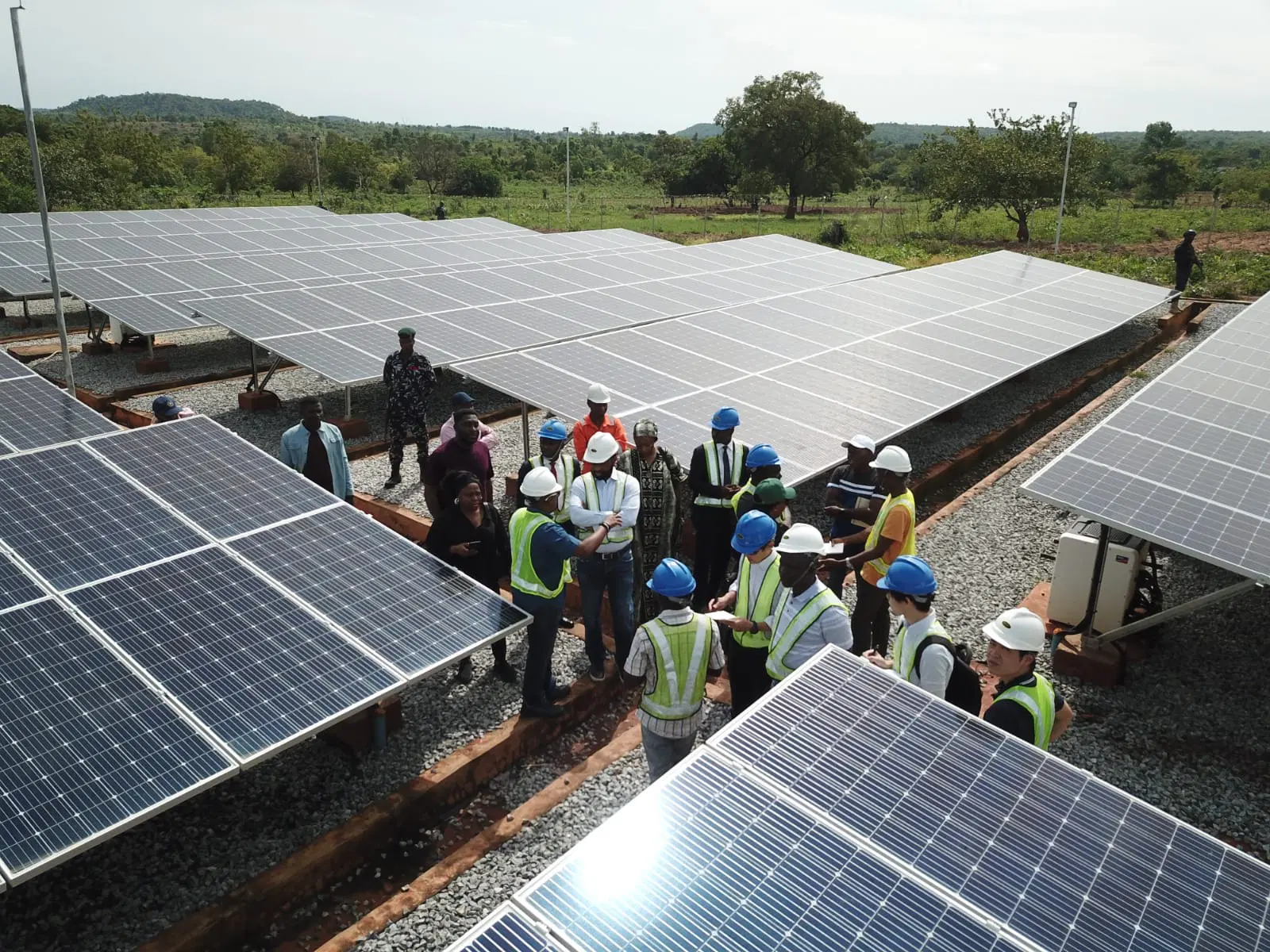
Nigeria has launched a $750 million renewable electrification programme aimed at expanding electricity access through solar mini-grids and off-grid power systems across the country.
The initiative, being implemented by the Rural Electrification Agency, will deploy 1,350 solar mini-grids nationwide. Out of these, 250 systems will operate as interconnected installations capable of supplying electricity directly into the national grid.
Speaking in Abuja on Thursday during a visit by a delegation from the National Judicial Institute, the Rural Electrification Agency Managing Director (REA), Abba Aliyu, described the project as a major step toward addressing the country’s persistent electricity shortages.
“For the first time, we are witnessing the implementation of the biggest publicly funded renewable electricity project in the entire world. It is a $750 million project that will catalyse $1.1 billion in private sector funding to deploy 1,350 mini-grids across the country,” Aliyu said.
Despite years of reforms in the power sector, Nigeria continues to face unreliable electricity supply, forcing many households and businesses to depend on petrol and diesel generators. This reliance has increased operating costs and raised environmental concerns.
Authorities said decentralised solar systems provide a faster and cleaner solution for communities that remain underserved by the national grid, particularly in rural areas where grid expansion can be expensive and slow.
Aliyu explained that the programme will electrify communities without access to the grid while strengthening the broader power system by integrating some solar installations into the national electricity network.
The Rural Electrification Agency is also expanding renewable energy through its Energising Education Programme, which supplies solar power to universities and teaching hospitals.
Aliyu revealed that 15 large solar installations have already been completed under the initiative, including systems capable of powering entire university campuses.
Related Stories
Sign up for our newsletter.
Get the latest news, expert analysis, and industry insights delivered straight to your inbox. Join thousands of professionals shaping the future of energy.
By submitting my information, I agree to the Privacy Policy and Terms of Service.