Oil & Gas |Policy & Governance
Algeria Advances Trans-Saharan Gas Pipeline, Export Strategy as Europe Demands Rises
Algeria plans to launch construction of the Trans-Saharan Gas Pipeline (TSGP) in 2026 while scaling production, upgrading infrastructure and expanding hydrogen projects to reinforce its position as a key energy supplier to Europe.
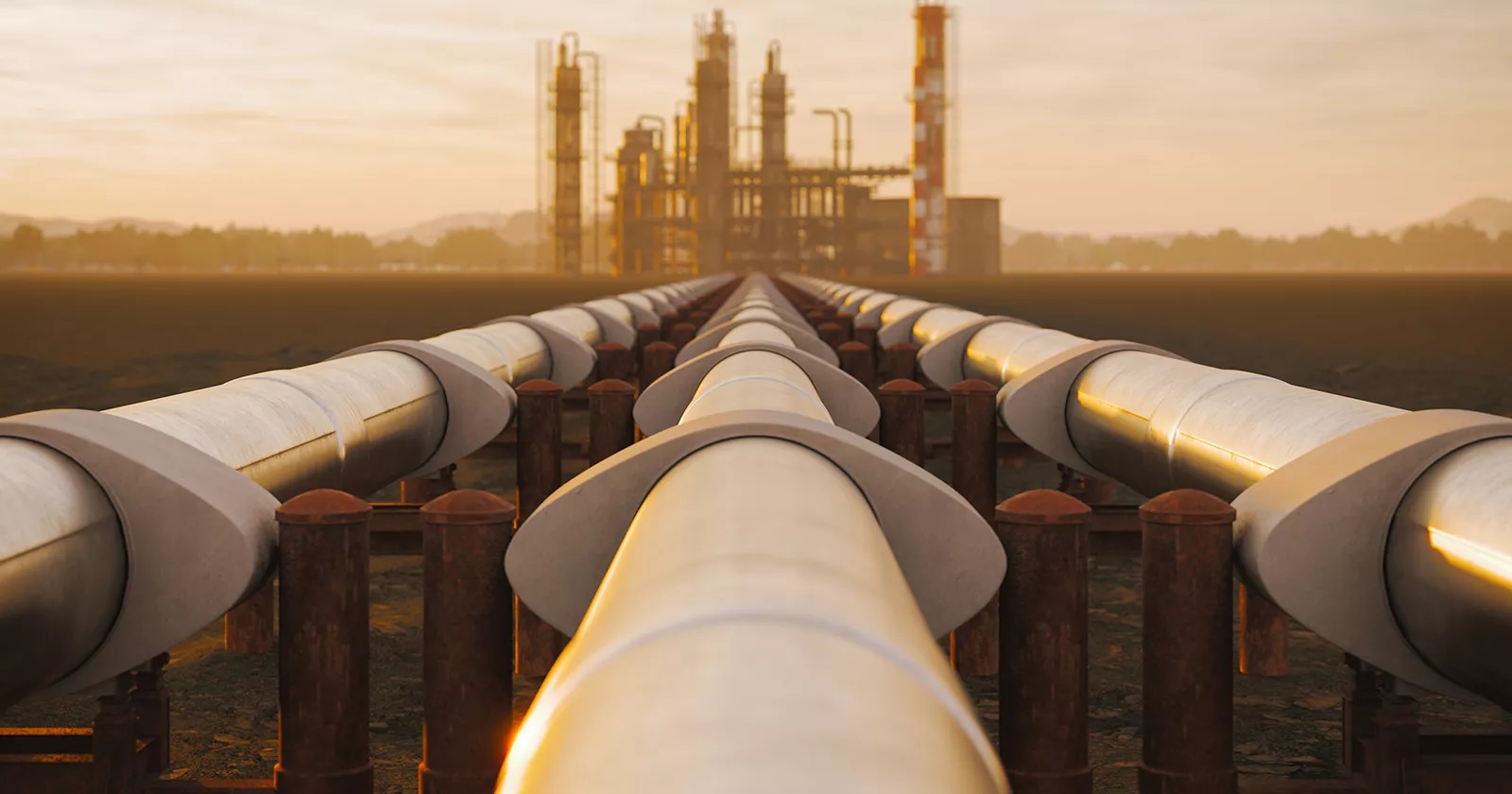
Algeria is preparing to begin construction of the Trans-Saharan Gas Pipeline (TSGP) in 2026 as part of a broader strategy to strengthen export capacity and position itself as a major supplier to European gas markets amid shifting demand patterns.
The planned 4,000-km pipeline is designed to transport up to 30 billion cubic metres (bcm) of natural gas annually from Nigeria through Niger to Algeria, linking into existing export corridors such as the TransMed pipeline to Italy and the Medgaz pipeline to Spain.
The project forms part of Algeria’s wider push to reinforce its role in Europe’s post-Russian supply diversification while expanding its own production base and export infrastructure.
National oil company Sonatrach is also advancing pipeline upgrades and maintenance programmes across roughly 3,500 km of transmission infrastructure to stabilise flows and improve operational reliability across its export network.
At the upstream level, Algeria is moving to offset declining output from ageing fields through new exploration and production activity. The National Agency for the Valorisation of Hydrocarbon Resources (ALNAFT) is preparing a new licensing round targeting frontier acreage and unconventional resources, including shale gas potential.
Sonatrach is simultaneously advancing major investment projects, including agreements to expand production in the Illizi Basin and upgrades to the Hassi R’Mel gas hub aimed at sustaining long-term export reliability.
Natural gas remains central to Algeria’s economy, accounting for the majority of export revenues, and the 2026 strategy is designed to secure supply volumes while strengthening its competitiveness in international markets.
Alongside gas expansion, Algeria is developing new energy value chains tied to Europe’s transition agenda. Authorities are targeting large-scale green hydrogen production and accelerating solar deployment to support electrolysis and future export infrastructure.
A feasibility study is already underway for the SoutH2 Corridor, a proposed hydrogen transport route linking North Africa to industrial hubs in Italy, Austria and Germany, with parts of the network expected to repurpose existing gas infrastructure.
Related Stories
Sign up for our newsletter.
Get the latest news, expert analysis, and industry insights delivered straight to your inbox. Join thousands of professionals shaping the future of energy.
By submitting my information, I agree to the Privacy Policy and Terms of Service.