Power |Policy & Governance
Benin Links Power Outages to Regional Grid Constraints, Import Dependence
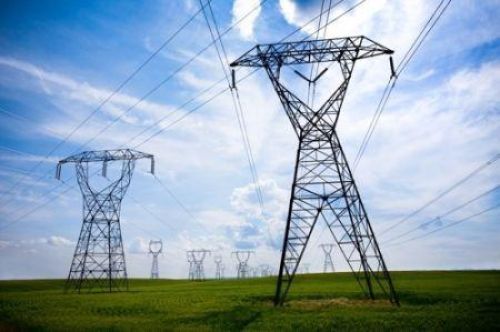
Benin has blamed persistent electricity outages on regional grid constraints and heavy reliance on power imports, as authorities move to expand solar and thermal capacity to stabilise supply.
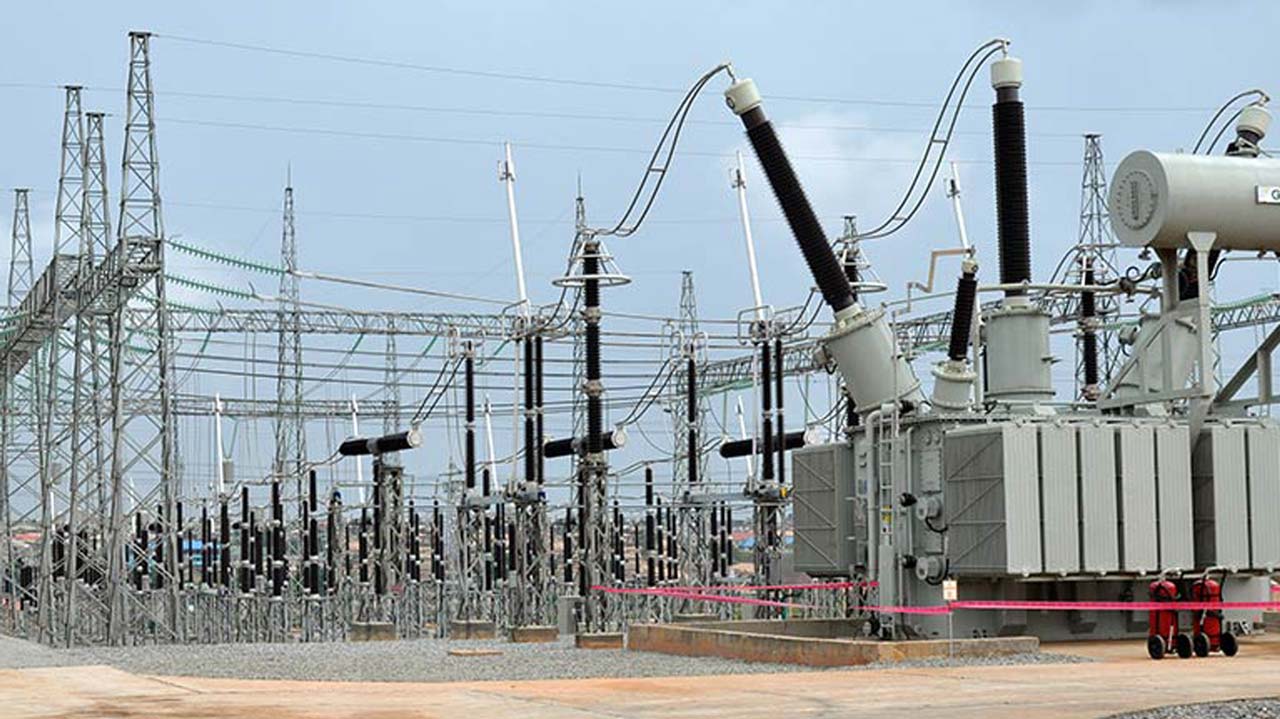
Electricity disruptions across Benin have been traced to technical constraints affecting regional power interconnections, according to state-owned utilities SBPE (Société béninoise de production d’électricité) and SBEE (Société béninoise d’énergie électrique).
Both companies say limitations in cross-border transmission flows have weakened grid stability, triggering outages that have persisted for weeks.
The situation highlights Benin’s heavy reliance on imported electricity. Data from the International Energy Agency (IEA) show net imports accounted for about 83% of national consumption in 2023, leaving the country exposed to supply shocks across the regional network.
Domestic generation remains limited and is largely gas-fired, with natural gas contributing roughly 69% of output. Gas supply itself is constrained by infrastructure gaps, adding pressure to the power system.
To reduce dependence on imports, the government plans to install about 126 MW of solar capacity and add 265 MW of thermal generation by 2030, while raising the share of renewables in the electricity mix to around 30%.
Authorities also aim to increase electricity access to at least 70%, from about 42.6% in 2024, by connecting nearly 928,000 additional households.
Plans are also underway to develop liquefied natural gas (LNG) storage to diversify supply sources and stabilise power availability.
Related Stories
Sign up for our newsletter.
Get the latest news, expert analysis, and industry insights delivered straight to your inbox. Join thousands of professionals shaping the future of energy.
By submitting my information, I agree to the Privacy Policy and Terms of Service.