Oil & Gas
BOAD Approves $64.1M to Expand Togo's Fuel Storage
Togo's fuel storage expansion arrives as jihadist blockades in Mali have shown how easily a single supply corridor can strangle a landlocked nation's economy.
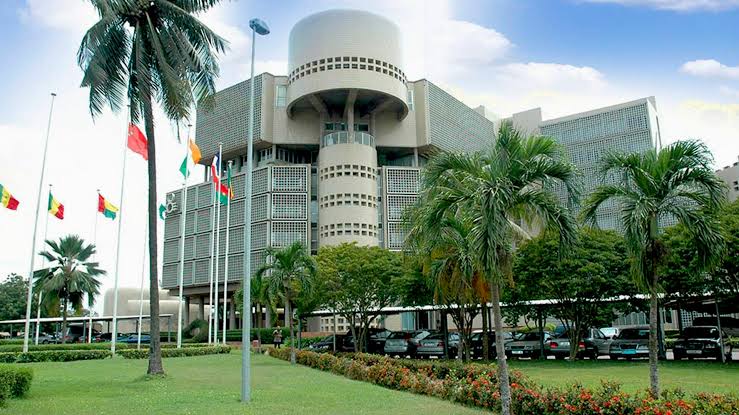
The West African Development Bank (BOAD) has approved CFAF 37 billion ($64.1 million) to finance a major expansion of storage capacity at Togo's Lomé Petroleum Complex (COMPEL), adding 170,000 cubic metres of capacity at a time when jihadist blockades have exposed how vulnerable landlocked Sahel nations are to disruptions along their coastal fuel corridors.
The new capacity amounts to nearly 70% of COMPEL's current operational capacity of about 244,000 cubic metres, and could bring the complex's total storage above 400,000 cubic metres once complete.
Located in Lomé's industrial zone, 3.5 kilometres from the port, COMPEL has an oil terminal capable of receiving vessels up to 250 metres long, dedicated pipelines for different petroleum products, and several loading bays for tanker trucks.
The facility stores and redistributes petroleum products for Togo and other West African markets, and sits alongside the Société togolaise de stockage de Lomé (STSL) and T-Oil in Togo's broader petroleum storage network.
Mali's fuel siege shows what's at stake
The expansion lands as the fragility of Sahel fuel supply chains has been laid bare over the past year. Since September 2025, the al-Qaeda-linked group JNIM has waged an economic blockade against Mali, burning more than 300 fuel tankers along the roads that carry roughly 95% of the country's fuel from Senegal and Côte d'Ivoire.
The siege has left Bamako, a capital of more than two million people, enduring hours-long queues at filling stations, fuel rationing that prioritises military and government use, spreading power outages, and a city that grows visibly darker at night as generators run short of diesel.
Schools and universities closed for a period during the shortage, and foreign governments including the United States and United Kingdom urged their citizens to leave the country, citing the fuel crisis alongside rising kidnapping risks.
Niger and Burkina Faso, Mali's partners in the Alliance of Sahel States formed after all three countries left ECOWAS, face similar exposure given their own dependence on coastal import routes, and Bamako's siege has been described by regional security analysts as a preview of the kind of economic pressure jihadist groups could apply elsewhere in the bloc.
Ghana's decision in September 2026 to have its state fuel distributor BOST scale back deliveries to Burkina Faso and Mali, in order to prioritise its own domestic market amid tight global supplies, underscored how thin the margin for error already is along these corridors even without an active blockade.
Burkina Faso, Mali and Niger formally withdrew from the Economic Community of West African States (ECOWAS) in January 2025, but that political break has not changed their physical dependence on coastal neighbours for the fuel their economies run on.
Lomé positions itself as an alternative supply route
Against that backdrop, COMPEL's expanded storage is intended to strengthen Lomé's capacity to act as a reliable, alternative fuel corridor for landlocked Sahel countries seeking to diversify away from routes that have proven vulnerable to disruption, whether from blockades, tanker attacks or a neighbouring country's own domestic supply priorities.
Greater buffer stock at a port-adjacent facility like COMPEL could, in principle, allow Togo to smooth over short-term supply shocks elsewhere in the region by releasing stored fuel when other corridors are constrained.
COMPEL is part of the Togolese state's energy-sector holdings, having been transferred in full to Togo Invest Corporation, the government's investment holding company, in 2019; Togo Invest also holds a 40% stake in STSL and nearly 80% of T-Oil.
The BOAD-financed expansion follows other recent upgrades at the complex, including 2025 repair work on several existing storage tanks and a separate project to build a 1,000-cubic-metre tank for Jet A-1 aviation fuel.
Related Stories

Sign up for our newsletter.
Get the latest news, expert analysis, and industry insights delivered straight to your inbox. Join thousands of professionals shaping the future of energy.
By submitting my information, I agree to the Privacy Policy and Terms of Service.