Oil & Gas
Dangote Downplays Kenyan Court Order on Lamu Refinery
Dangote's Lamu land dispute revives grievances that have dogged Kenya's LAPSSET corridor for over a decade, from unpaid fishermen to compensation that bypassed women landholders.
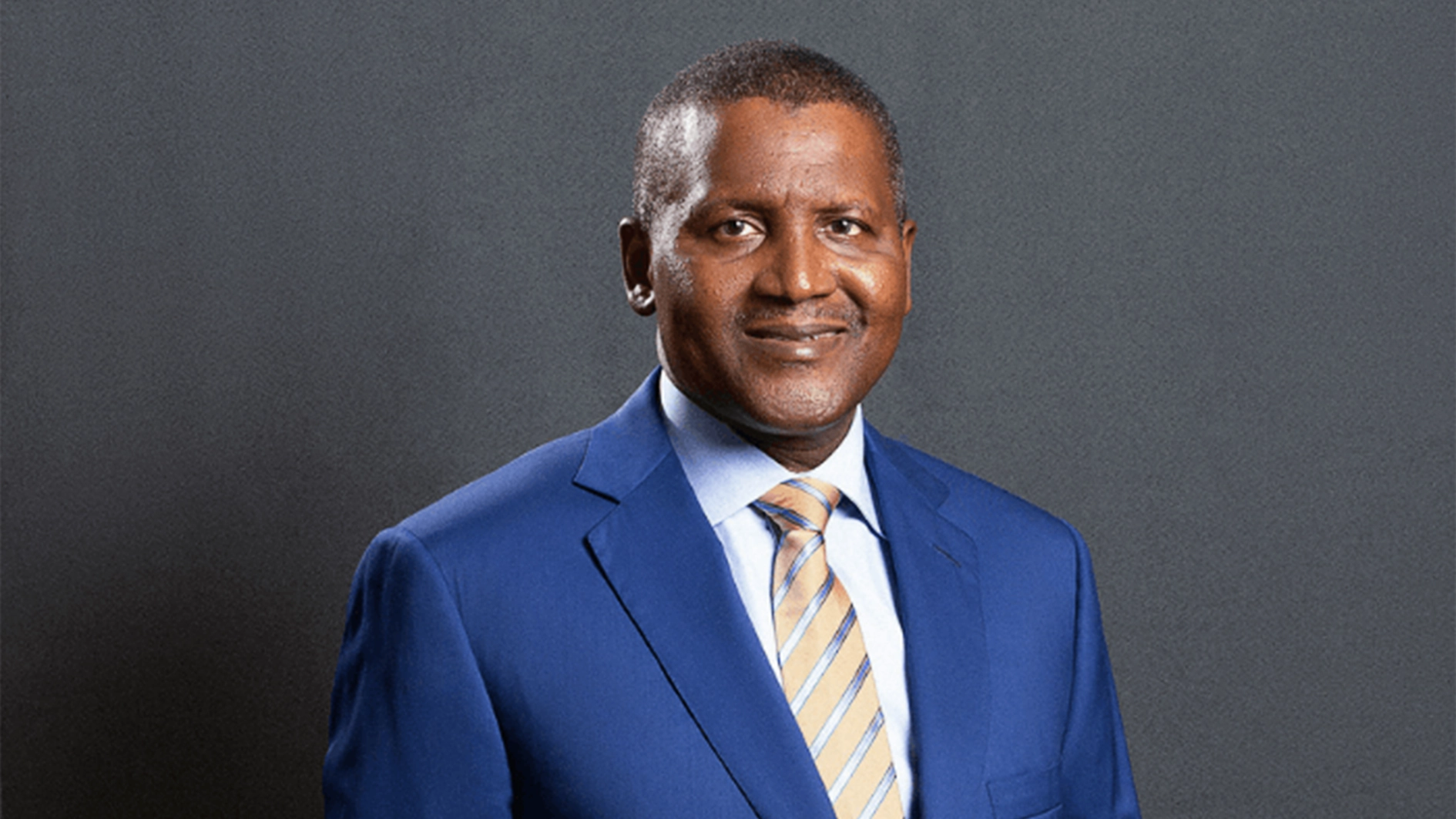
Aliko Dangote has downplayed a Kenyan court order temporarily halting construction activities at his planned oil refinery site in Lamu, describing such legal challenges as routine, a day before the project's scheduled September 30 groundbreaking.
Speaking on Tuesday at an investor engagement for the Dangote Petroleum Refinery's initial public offering with Kenyan and East African institutional investors in Nairobi, Dangote recounted learning of the court order after landing in Kenya the previous night.
"Yesterday, as I was landing here at night, because I always try to switch off my Wi-Fi on my plane so that I'll be able to rest. I don't want to be disturbed. But immediately when I open my phone, they say report by Bloomberg... 'One court has given an order that we shouldn't do any construction,'" he said.
Dangote compared the situation to a dispute involving one of his projects in Senegal.
"We don't care. In fact, this is even small. In Senegal, it's not even court.
They stopped even our factory for one year. We went up to the Supreme Court to get a judgment.
So, anybody who wants to cause trouble, we're ready for them," he said, adding, "We're not bothered. Don't worry. We know who are the people doing all these things, so we'll face them."
Land dispute echoes a familiar Lamu pattern
The Malindi Environment and Land Court had directed that the status quo be maintained at the refinery site following a petition from farmers and residents of Chandavai in Lamu County, who alleged forceful eviction and destruction of their property, with further directions scheduled for October 14.
According to a court filing reported by Kenyans.co.ke, at least 133 Lamu residents took the dispute to court, claiming local administrators had told them their land had been acquired for the Lamu Port South Sudan Ethiopia Transport (LAPSSET) corridor and allocated to the Ministry of Defence for works around Manda Bay, rather than for the refinery now planned there.
The petitioners, who are seeking compensation and a clear resettlement plan, named several national and county government agencies, the National Land Commission, the LAPSSET Corridor Development Authority, Dangote Industries and two contractors in the proceedings.
They also alleged that the project has not complied with environmental and public participation requirements.
The dispute fits a long-running pattern in Lamu, where the broader LAPSSET corridor project, of which the refinery forms a part, has drawn recurring complaints over land rights and inadequate compensation since its 2012 launch.
In 2018, a Malindi court ordered the Kenyan government to pay $170 million to roughly 4,600 fishermen displaced from Manda Bay by the port's construction, a judgment the Kenya Ports Authority later successfully appealed.
Community organisers with the coalition Save Lamu have separately documented cases in which compensation payments intended for displaced women were instead collected by male relatives who held formal land title, leaving some women without support after their land was taken.
Local fishing and conservation groups have also linked port-related dredging to declining fish stocks that they say has directly affected residents' livelihoods.
Groundbreaking proceeds despite the court order
Dangote Group said in a statement on Tuesday that the court order had not halted the planned groundbreaking ceremony, though activities at the site could be affected pending the October 14 hearing.
Preparations have continued regardless: the Port of Lamu recently received 2,930 metric tonnes of heavy machinery delivered by the vessel MV Da Yang ahead of the ceremony.
The proposed 700,000-barrel-per-day refinery is designed to serve the East African market, with Dangote Group expected to hold a 70% stake and regional governments, including Kenya and Rwanda, holding the remainder.
Kenyan President William Ruto said on last week Friday during a tour of the Dangote refinery in Lekki, Lagos, that his government was fast-tracking the administrative processes needed for the project, adding that the land for the refinery had already been secured and that other bureaucratic requirements were being addressed to avoid delaying construction.
Whether the October 14 court hearing resolves the underlying land dispute, or adds to the string of compensation and displacement grievances that have accompanied the wider LAPSSET corridor for more than a decade, is likely to shape how smoothly construction proceeds once the groundbreaking ceremony has passed.
Related Stories

Sign up for our newsletter.
Get the latest news, expert analysis, and industry insights delivered straight to your inbox. Join thousands of professionals shaping the future of energy.
By submitting my information, I agree to the Privacy Policy and Terms of Service.