Oil & Gas
Rwanda Takes First Fuel Shipment at Mombasa Port
A new 60-day storage deal in Kenya now allows Rwandan petroleum importers to secure bulk energy supplies and protect the local market against single-route disruptions.
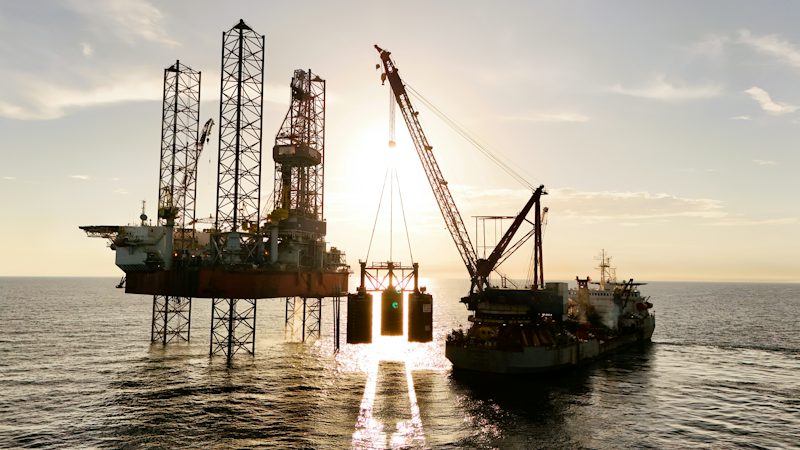
Rwanda National Energy Company (RNEC) has received its first shipment of 40,000 tonnes of refined fuel at Kenya Pipeline Company's Kipevu Oil Terminal 2 in Mombasa. The delivery activated a transit path through the Northern Corridor.
Armand Zingiro, Minister of State in Rwanda's Ministry of Infrastructure, and James Opiyo Wandayi, Kenya's Cabinet Secretary for Energy and Petroleum, led the reception ceremony at the terminal. The vessel MT Sea Wolf transported the products to the Kenyan port.
This shipment starts an operational route designed to lower transit costs and protect fuel supplies for Rwanda's economy.
How the agreement works
The shipment follows a framework agreement that both governments developed to restart petroleum supply through Kenya's infrastructure.
The legal deal rests on a Memorandum of Understanding signed on June 29 between Kenya's Ministry of Energy and Petroleum and Rwanda's Ministry of Trade and Industry.
A three-party agreement links both ministries with RNEC. In addition, a Transport and Storage Agreement exists between Kenya Pipeline Company (KPC) and RNEC.
KPC handles transport, storage, scheduling, and management of the petroleum cargo inside Kenya. The overall framework required nearly three years of joint work between both countries.
Both governments treat the arrangement as an action that supports trade under the East African Community (EAC) and the African Continental Free Trade Area (AfCFTA).
Benefits for local importers
Eric Herbez Mutanganda, Chairperson of the Rwanda Association of Petroleum Products Importers (ASSIMPER), said in July that the deal gives importers flexibility.
Storage times in Kenya extend from 30 days to 60 days under this framework. This allows local importers to hold products longer while Rwanda builds its own domestic storage facilities.
Mutanganda explained that Rwanda previously relied on a single transport corridor for 90 to 95 per cent of its petroleum imports.
The nation now uses two transit corridors.
Using two supply routes cuts the risk of market disruptions if one path faces problems.
RNEC was established this year to protect national energy security and build stable supply chains.
The state enterprise works with governments, regional bodies, and private sector partners to source fuel, build infrastructure, and create industry opportunities.
Zingiro stated that the Northern Corridor offers a secure, cost-effective transport option for the country's fuel needs. He expressed appreciation to Kenyan authorities for executing the framework.
Wandayi stated that the arrival of the cargo confirms Kenya's position as a regional transport hub. He noted that Kenya remains committed to maintaining stable energy delivery to Rwanda.
Related Stories



Sign up for our newsletter.
Get the latest news, expert analysis, and industry insights delivered straight to your inbox. Join thousands of professionals shaping the future of energy.
By submitting my information, I agree to the Privacy Policy and Terms of Service.