Renewables
Clean Energy Projects Should Build Factories, Not Just Power Supply — REA
Nigeria's renewable energy expansion is entering a new phase as the Rural Electrification Agency says future projects should be designed to stimulate local manufacturing, strengthen supply chains and improve project bankability, ensuring clean energy investment delivers industrial growth alongside electricity access.
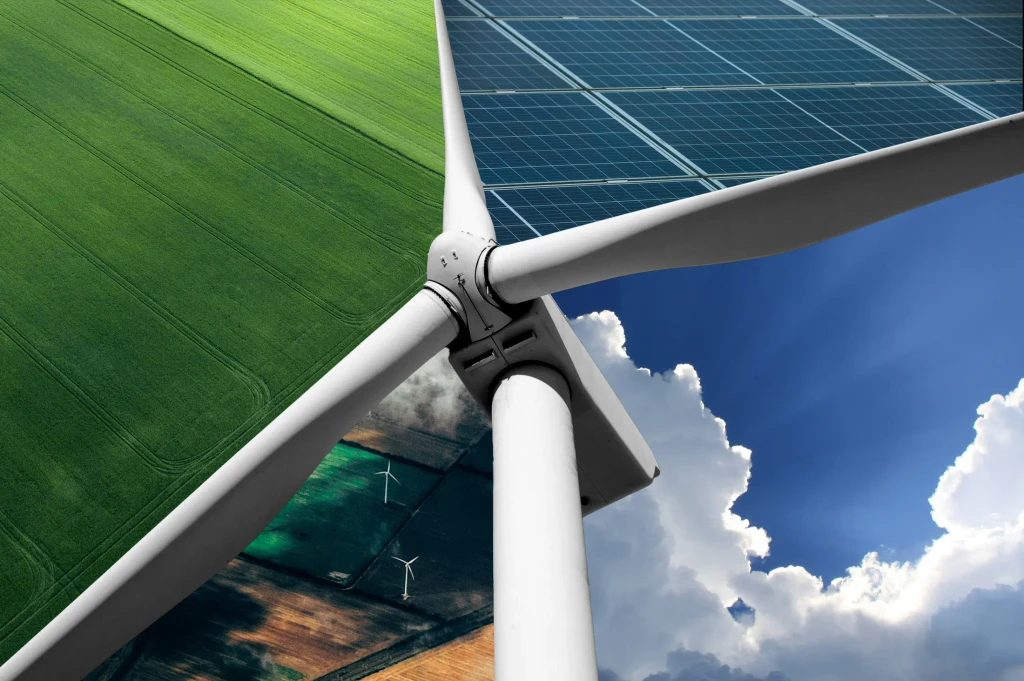
Nigeria's renewable energy expansion should be measured by the factories, skilled jobs and local industries it creates, not only by the electricity it delivers, the Rural Electrification Agency (REA) said at the 2026 Oriental News Conference in Lagos.
Managing Director of the REA, Abba Aliyu, warned that although the country has attracted more than $2 billion in renewable energy investment, the sector has created only about 76,000 jobs, making local manufacturing the next priority if the energy transition is to strengthen Nigeria's economy.
Nigeria is expanding renewable energy projects to improve electricity access and reduce emissions. The REA said the next phase of that transition should ensure investments create demand for Nigerian factories, technical skills and local supply chains so more of the economic value stays within the country.
Energy projects should create local industries
Represented by the Executive Director, Corporate Services, Gboyega Ayoade, Aliyu said Nigeria must use renewable energy deployment as an industrial development strategy rather than limiting it to power supply.
He said the country's Nigeria First policy provides an opportunity to reduce reliance on imported renewable energy equipment and foreign expertise by encouraging domestic production.
“As renewable energy deployment grows, we must also grow local capacity for assembly, manufacturing, installation, operation, maintenance, recycling and skills development,” he said.
Aliyu noted that Nigeria's renewable energy sector has created about 76,000 jobs, compared with the 16.2 million jobs supported by the global solar industry.
He urged policymakers and project developers to assess renewable energy investments by the industries they support.
“Clean energy must become a platform for local content, job creation and industrial value capture.
“Every major renewable energy programme should ask a simple question: beyond supplying electricity, what domestic capacity does this project build?
Does it create jobs for Nigerian engineers and technicians? Does it use local installers? Does it create demand for local assembly? Does it support Nigerian firms? Does it strengthen the supply chain? Does it improve skills and technology transfer? This is how clean energy becomes an industrial policy tool,” he said.
Aliyu said the REA is increasingly designing renewable energy programmes to create predictable market demand that will encourage investors to establish local production facilities.
He identified public sector solarisation projects, mini grids, agricultural energy hubs and institutional electrification initiatives as anchor markets capable of supporting domestic renewable energy manufacturing while improving electricity access.
Stronger financing needed to unlock energy investments
Aliyu said financing structures also need improvement if renewable energy investments are to increase.
“The core constraint is not potential but bankability,” he said.
He explained that investors want projects backed by reliable feasibility studies, credible demand assessments, dependable payment structures, sound technical preparation, environmental and social safeguards, effective community engagement and proper risk management.
To improve investment readiness, he said the REA is working with development partners, financial institutions and private developers while deploying performance based grants, minimum subsidy frameworks, blended finance, demand aggregation, public private partnerships and green finance platforms.
Aliyu said Nigeria's decarbonisation strategy should strengthen industrial competitiveness, energy security, investment, financing and economic growth while reducing emissions.
He noted that millions of Nigerians still need reliable electricity, businesses continue to battle high energy costs, public institutions depend heavily on diesel and industries struggle with unstable power supply.
Aliyu said decentralised renewable energy systems can improve electricity reliability, lower production costs, support hospitals and schools, power agriculture and stimulate industries involved in solar manufacturing, battery storage, metering, digital monitoring, installation and maintenance.
He pointed to the Nigeria Electrification Project, the Distributed Access through Renewable Energy Scale up Programme, the Energising Education Programme, the National Public Sector Solarisation Initiative, together with several mini grid and agricultural energy projects, as programmes helping reshape Nigeria's renewable energy market through private sector led deployment.
Aliyu said government should provide clear policy direction, regulators should strengthen investor confidence, financial institutions should develop innovative financing products, development partners should de-risk strategic investments and the private sector should commit long term capital.
He also urged the extractive industry to reduce emissions faster and encouraged the media to sustain informed public discussion on Nigeria's transition to cleaner energy.
Related Stories
Sign up for our newsletter.
Get the latest news, expert analysis, and industry insights delivered straight to your inbox. Join thousands of professionals shaping the future of energy.
By submitting my information, I agree to the Privacy Policy and Terms of Service.