Renewables |Power
Mauritania: Factories Back Solar as CNIS Projects Near 30 MWp
A CNIS scheme is helping Mauritian manufacturers install solar power without upfront capital, with GreenYellow's industrial portfolio nearing 30 MWp as the country works towards its 2030 renewable energy target.
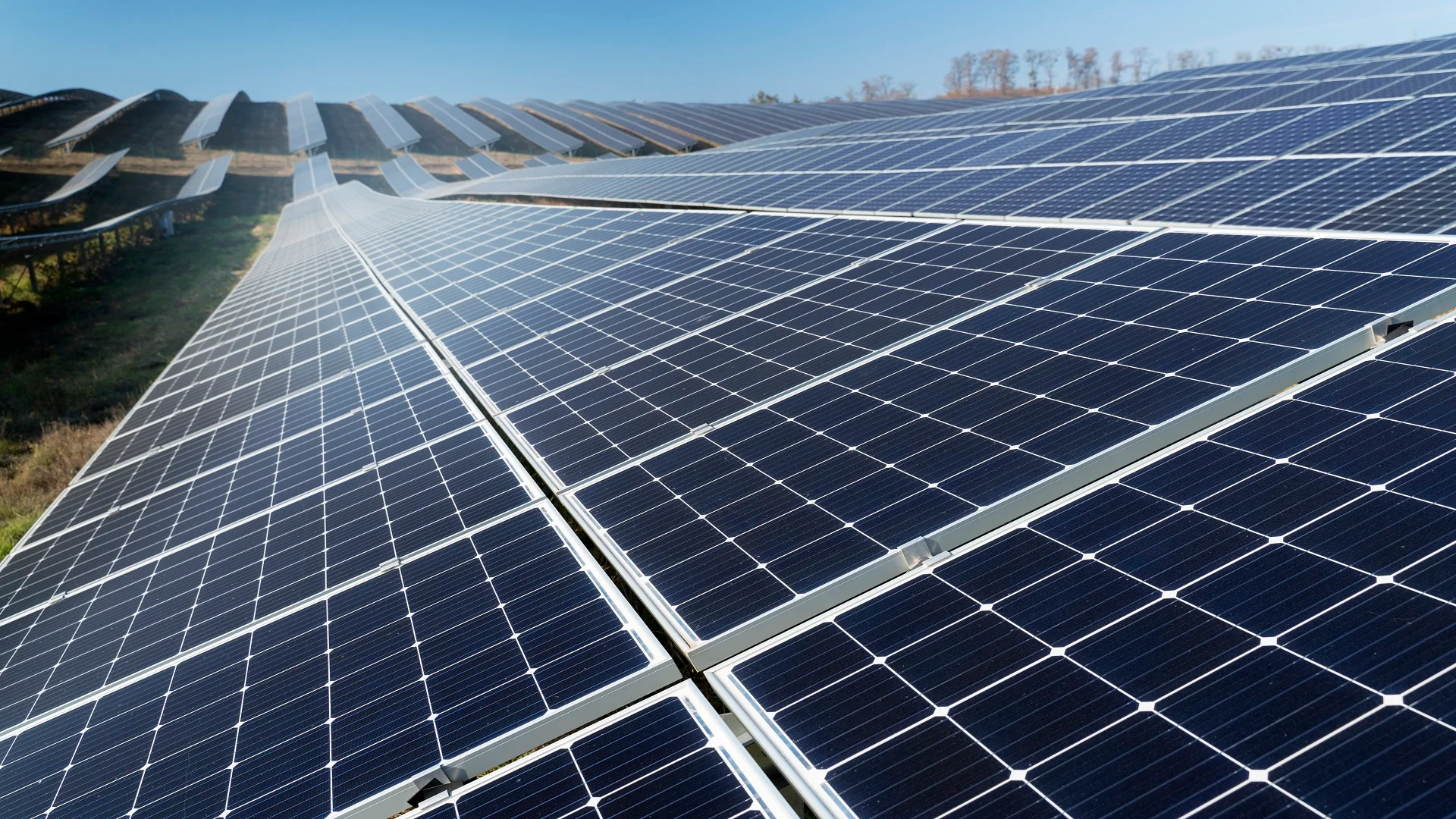
Mauritius' plan to produce 60 per cent of its electricity from renewable sources by 2030 is gaining ground as industrial companies increase investment in solar power through the Carbon Neutral Industrial Sector Renewable Energy Scheme (CNIS), a report by Solarquarter Africa revealed.
GreenYellow Indian Ocean, a major leader in solar photovoltaics, claimed that its portfolio under the scheme is nearing 30 MWp, with projects already supplying clean electricity to factories and food producers while reducing pressure on the national grid.
The expansion shows how the CNIS scheme is helping manufacturers generate electricity at their own sites instead of relying entirely on conventional power sources.
It also supports the country's climate target by increasing renewable electricity production from industrial rooftops and other business facilities.
Industrial firms expand solar generation
GreenYellow Indian Ocean said it is handling every stage of its solar projects, from technical studies and financing to engineering, construction, grid connection and long-term maintenance. The company also uses a third-party investment model that allows businesses to install solar systems without providing the initial capital.
Under this arrangement, GreenYellow manages the technical, financial and operational risks, allowing companies to continue focusing on their main business activities while using locally generated renewable electricity.
One of the largest projects is with Innodis. The partnership covers four photovoltaic plants with a combined capacity of 8.2 MWp. The installations are projected to generate about 12.5 GWh of renewable electricity each year, enough to match the annual electricity use of almost 4,500 households in Mauritius.
The company has also completed and commissioned a 341 kWp rooftop solar plant for BGH. The project shows how factory rooftops can be converted into power generation sites without using extra land, an important consideration for an island nation with limited space.
More sectors join the clean energy drive
GreenYellow's work now extends to businesses in food production, manufacturing and other industrial activities.
Its portfolio includes a 480 kWp project for Domaine de Labourdonnais, an 838.1 kWp installation for Cernol and a larger 3.2 MWp solar project for Fast Foods.
Other businesses receiving support include Meaders Feeds, Montida Poultry, Moroil, Les Gaz Industriels and Volailles et Traditions.
These projects are designed to meet each company's electricity needs while handling grid studies, permits, construction and long-term operation.
The increasing number of participating companies shows that industries are taking a practical approach to reducing energy costs and producing more of their own electricity.
It also backs national efforts to cut carbon emissions by increasing renewable energy generation within the industrial sector.
Related Stories

Sign up for our newsletter.
Get the latest news, expert analysis, and industry insights delivered straight to your inbox. Join thousands of professionals shaping the future of energy.
By submitting my information, I agree to the Privacy Policy and Terms of Service.