Renewables
Zambia Advances Solar Expansion with 54-MW Serenje Project
Zambia's 54-MW Serenje solar project adds to a growing pipeline of renewable investments aimed at reducing hydropower dependence and strengthening power supply.

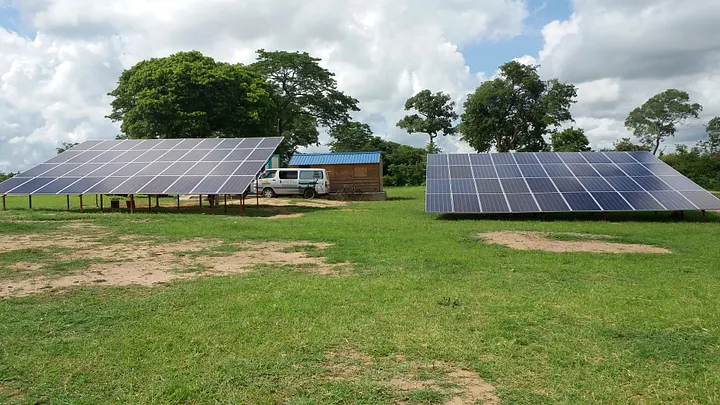
Zambia is advancing efforts to diversify its electricity mix with a 54-MW solar project in Serenje Province, as Indian solar manufacturer Navitas Solar secures a $20 million contract to build the utility-scale plant.
The contract, awarded to Navitas Solar's subsidiary Navitas Planet, marks the company's first engineering, procurement and construction (EPC) project in Africa's utility-scale solar market.
Navitas Planet will handle the project's engineering, procurement, construction and commissioning, with the solar farm expected to be operational within about seven to eight months.
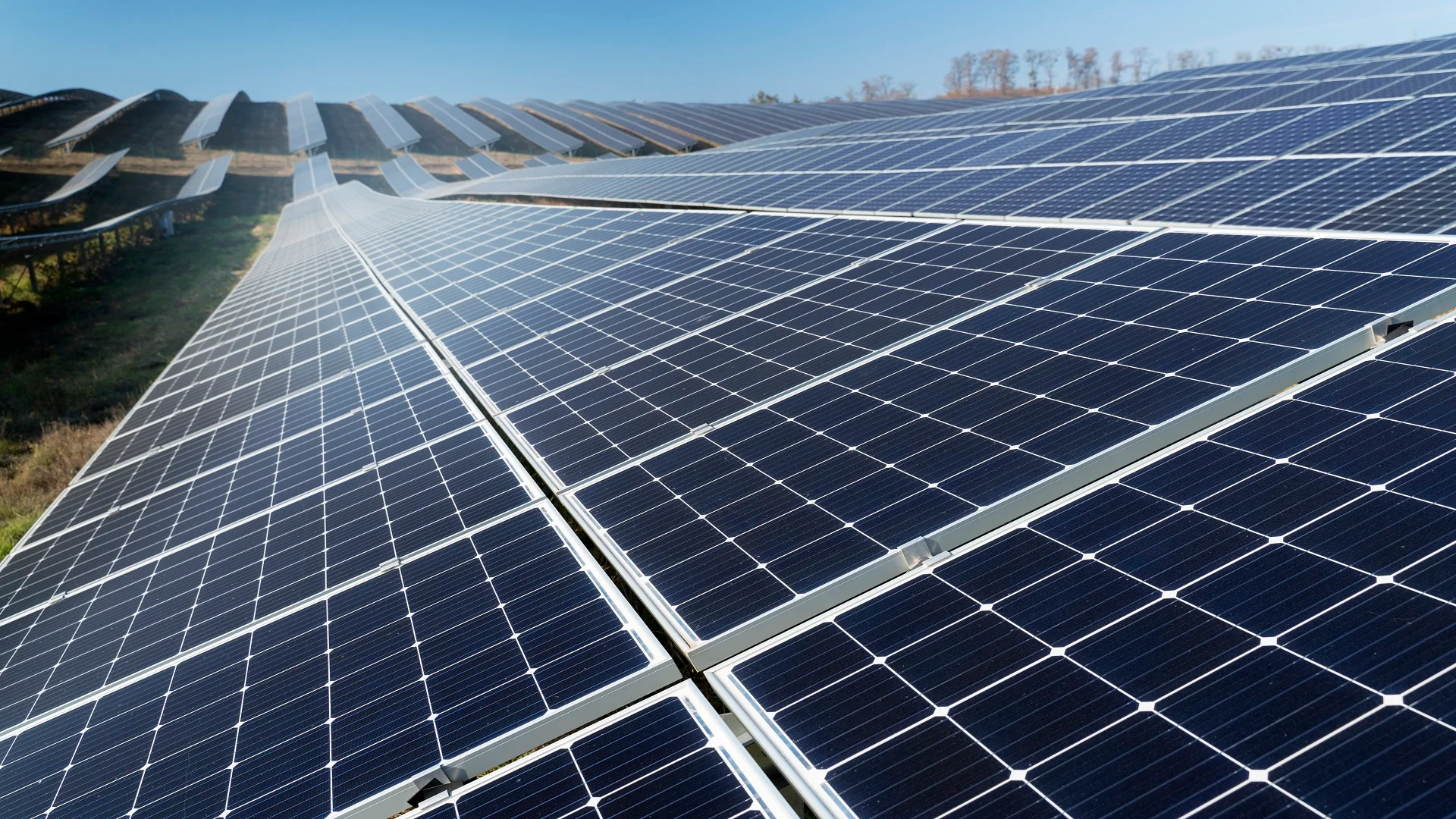
The plant will use Navitas Solar's bifacial TOPCon modules, a solar panel technology designed to generate electricity from both sides of the module, potentially improving energy yields from the same installation area.
The project is significant for Zambia as the country seeks to reduce its heavy dependence on hydropower and strengthen electricity supply through a more diversified generation mix. Hydropower currently accounts for more than 80 per cent of Zambia's electricity generation, leaving the power system vulnerable to drought and declining water levels that can reduce generation capacity.
Adding utility-scale solar could help Zambia improve the resilience of its electricity system while taking advantage of the country's strong solar resources. It also forms part of a broader push to expand renewable generation and attract private investment into the power sector.
Where this fits in Zambia's broader solar pipeline
Zambia has been building out solar capacity under its Integrated Resource Plan through 2030 and the Presidential 1-GW Solar Initiative, which targets large-scale solar development nationwide to address supply constraints and reduce reliance on hydropower.
The initiative aims to accelerate the development of large-scale solar projects across the country as the government seeks to address electricity supply constraints and reduce the risks associated with relying heavily on hydropower.
Two weeks before the aforementioned project was announced, Zambia signed agreements with five contractors under the initiative for solar plants with a combined capacity of 312 MW across 156 constituencies.
The new 54-MW project adds to this growing pipeline of solar investments and draw attention to the increasing role of private-sector developers and international companies in Zambia's energy transition.
The expansion of solar power could also reduce pressure on the country's hydropower system during periods of low rainfall, while providing additional electricity to support households, businesses and industrial activity.
Related Stories

Sign up for our newsletter.
Get the latest news, expert analysis, and industry insights delivered straight to your inbox. Join thousands of professionals shaping the future of energy.
By submitting my information, I agree to the Privacy Policy and Terms of Service.