Climate & Sustainablity
Commonwealth Nations Push Urgent Ocean Action to Fight Climate Change
African and Commonwealth leaders say billions of dollars in ocean conservation pledges must now deliver real results, as concerns indicate that many commitments remain unfulfilled despite rising threats to marine ecosystems.
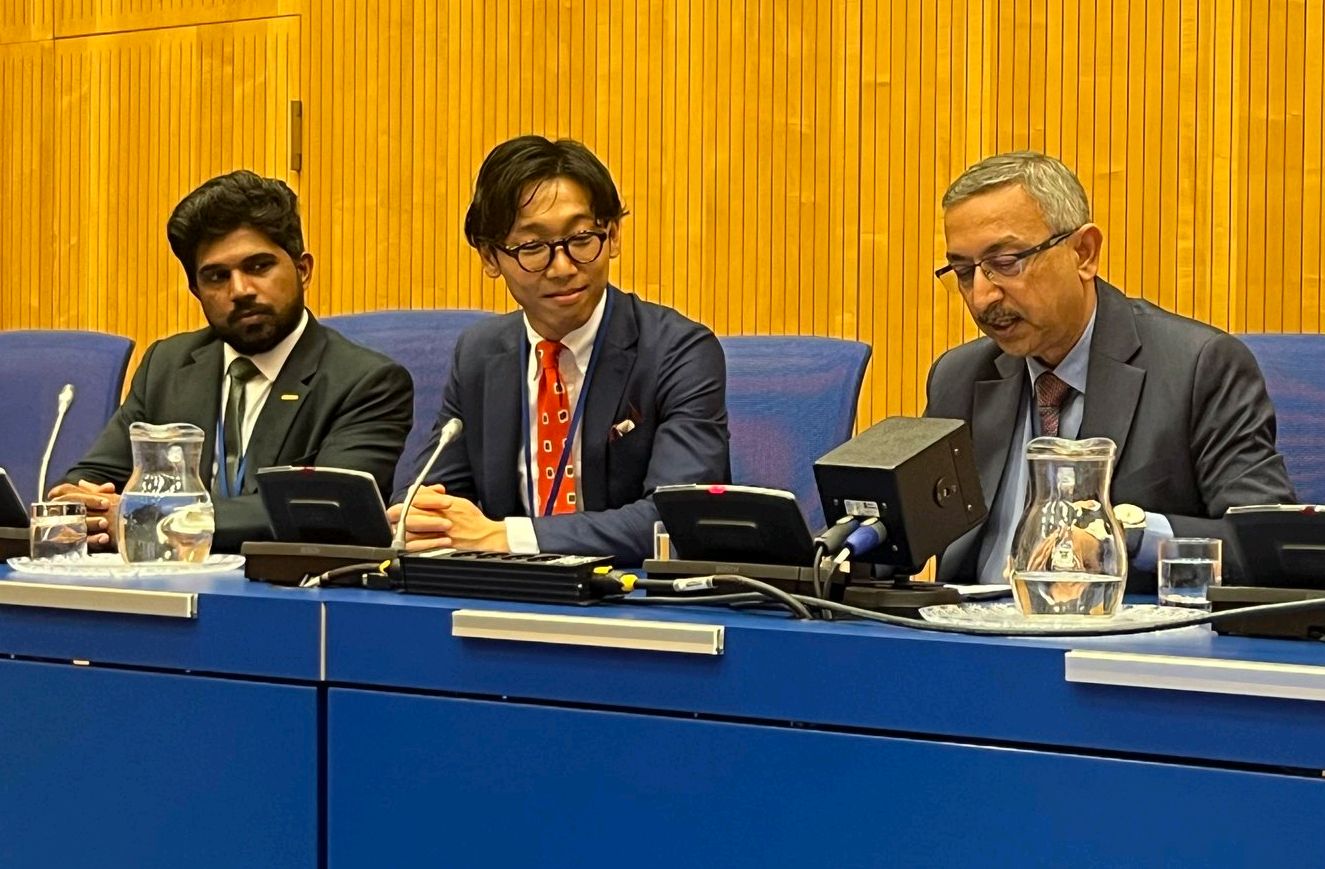
African and Commonwealth countries have called for urgent action to protect the world's oceans, warning that delays in implementing global agreements could weaken efforts to tackle climate change and protect vulnerable coastal communities.
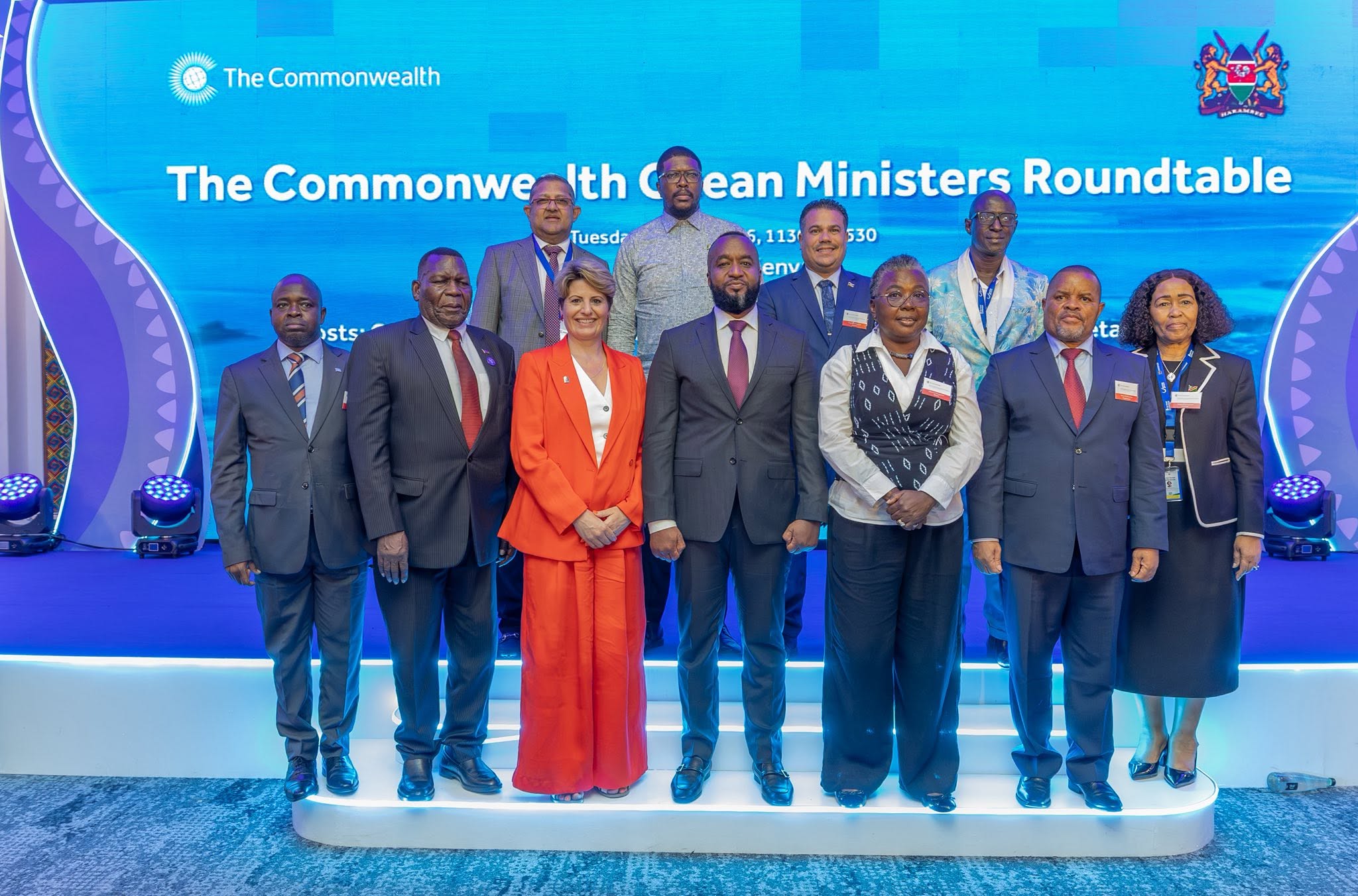
The call was made on Tuesday during the Commonwealth Ocean Ministers’ Roundtable at the 11th Our Ocean Conference in Mombasa, Kenya. Leaders said oceans play a key role in regulating the climate, but many conservation promises have not yet translated into real action on the ground.
Former United States Secretary of State John Kerry urged countries to quickly implement the High Seas Treaty, a global agreement that came into force in January after being ratified by 60 countries.
As Kerry noted, the treaty offers a major opportunity to protect marine ecosystems that help absorb carbon emissions and reduce the effects of climate change.
“We have 10% of the ocean under protection this year,” Kerry said. “That is worth marking. But only 3% is highly or fully protected, and the rest of the protections are, unfortunately, just lines on a map.”
Oceans key to climate protection
Speakers at the roundtable stressed that healthy oceans are essential for addressing climate change. Oceans absorb large amounts of heat and carbon dioxide, helping to slow global warming.
However, delegates warned that overfishing, pollution and weak enforcement of conservation measures continue to threaten marine ecosystems around the world.
Kerry maintained that industrial fishing fleets remain a major concern, noting that some vessels travel thousands of miles and use large nets that catch many forms of marine life.
He urged countries that have not yet ratified the High Seas Treaty to do so and move quickly toward implementation.
The treaty, officially known as the Agreement on Biodiversity Beyond National Jurisdiction, supports the global goal of protecting 30% of the world's land and oceans by 2030.
Commonwealth nations face responsibility
The Commonwealth's 56 member countries control about 36% of the world's ocean jurisdiction and nearly half of global coral reefs. Delegates said this places a major responsibility on the bloc to lead efforts against climate change through stronger ocean protection.
Kenya's Cabinet Secretary for Maritime Affairs, Hassan Joho, said governments must focus on turning commitments into measurable results.
“The purpose of this roundtable is not to restate ambition, but to convert such pledges into measurable results for our communities, our economies and our oceans,” he said.
Joho noted that since 2014, more than 2,900 ocean-related commitments worth over $169 billion have been announced globally.
Kerry also commended African countries for increasing their role in ocean conservation. He highlighted commitments by eight Gulf of Guinea nations to sustainably manage all their waters by 2030.
Delegates believe that the success of the High Seas Treaty will depend on how quickly countries move from promises to action, especially as climate change places pressure on oceans and coastal livelihoods.
Related Stories
Sign up for our newsletter.
Get the latest news, expert analysis, and industry insights delivered straight to your inbox. Join thousands of professionals shaping the future of energy.
By submitting my information, I agree to the Privacy Policy and Terms of Service.