Climate & Sustainablity
Climate Change Pushes Namibia to Expand Ocean Protection Areas
Namibia's steps towards increasing marine protected areas by 2030 set to lessen threats to ocean ecosystems, fisheries and coastal livelihoods.
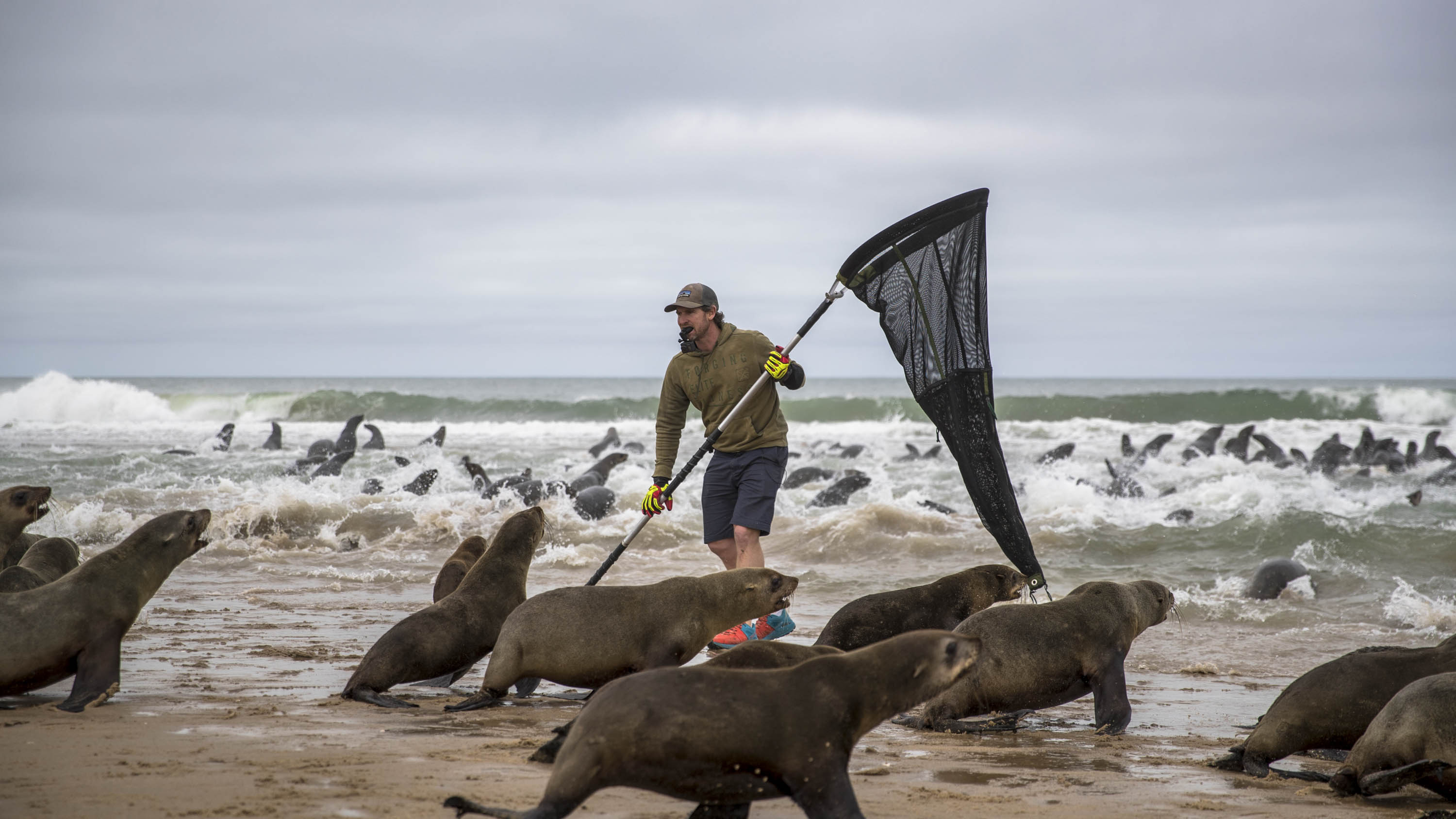
Namibia has announced plans to increase the share of its ocean under protection from 1.7 per cent to 11 per cent by 2030, as growing climate threats place more pressure on marine ecosystems and coastal economies.
The commitment was announced at the Commonwealth Ocean Ministers Roundtable in Mombasa, Kenya, where Namibia highlighted the need to protect ocean resources from the effects of climate change, pollution and biodiversity loss.
Speaking at the meeting, Namibia’s Minister of Agriculture, Fisheries, Water and Land Reform, Inge Zaamwani, said the country sees its ocean as a key national asset that must be protected for future generations.
“Our ocean is central to our food security, livelihoods and economic development,” Zaamwani said.
The move comes at a time when many countries are increasing efforts to protect marine environments as climate change continues to affect ocean health around the world. Rising sea temperatures, changing weather patterns and pressure on fish stocks have raised concerns about the future of coastal communities that depend on the sea for food and income.
Namibia’s decision to expand marine protected areas is expected to help preserve important habitats, support fish populations and improve the long-term resilience of the country’s ocean resources.
The southern African nation also says ocean conservation will go hand in hand with economic growth through its Blue Economy Policy. The policy encourages responsible investment in sectors linked to the ocean while ensuring that natural resources are managed sustainably.
According to Zaamwani, the policy supports activities such as fisheries, aquaculture, maritime transport, coastal tourism and renewable energy. These sectors are expected to create jobs and contribute to inclusive economic development.
However, the minister warned that climate-related challenges continue to threaten oceans globally. She noted that pollution, illegal fishing and the loss of marine biodiversity are putting increasing pressure on marine ecosystems.
These challenges, she said, require countries to work together to protect the world's oceans and ensure that marine resources remain available for future generations.
Zaamwani stressed that no country can tackle the growing threats to ocean health alone. She called for stronger cooperation among governments and stakeholders to address environmental risks and promote sustainable ocean management.
“The future of our oceans depends on our collective resolve,” she said.
The announcement places climate change at the centre of Namibia’s ocean strategy. By expanding marine protected areas, the country hopes to strengthen the health of its marine environment while supporting communities and industries that depend on ocean resources.
As global concern over climate impacts grows, Namibia’s target reflects a wider push by nations to use conservation measures to protect ecosystems, improve resilience and secure sustainable economic opportunities linked to the sea.
Related Stories

Sign up for our newsletter.
Get the latest news, expert analysis, and industry insights delivered straight to your inbox. Join thousands of professionals shaping the future of energy.
By submitting my information, I agree to the Privacy Policy and Terms of Service.