Oil & Gas
Dangote Refinery Buys UAE Crude Oil Amid Local Supply Woes
Dangote Refinery’s decision to buy Crude Oil from the UAE spotlights the growing challenge of securing enough local feedstock and what it could mean for Nigeria’s refining ambitions and fuel supply
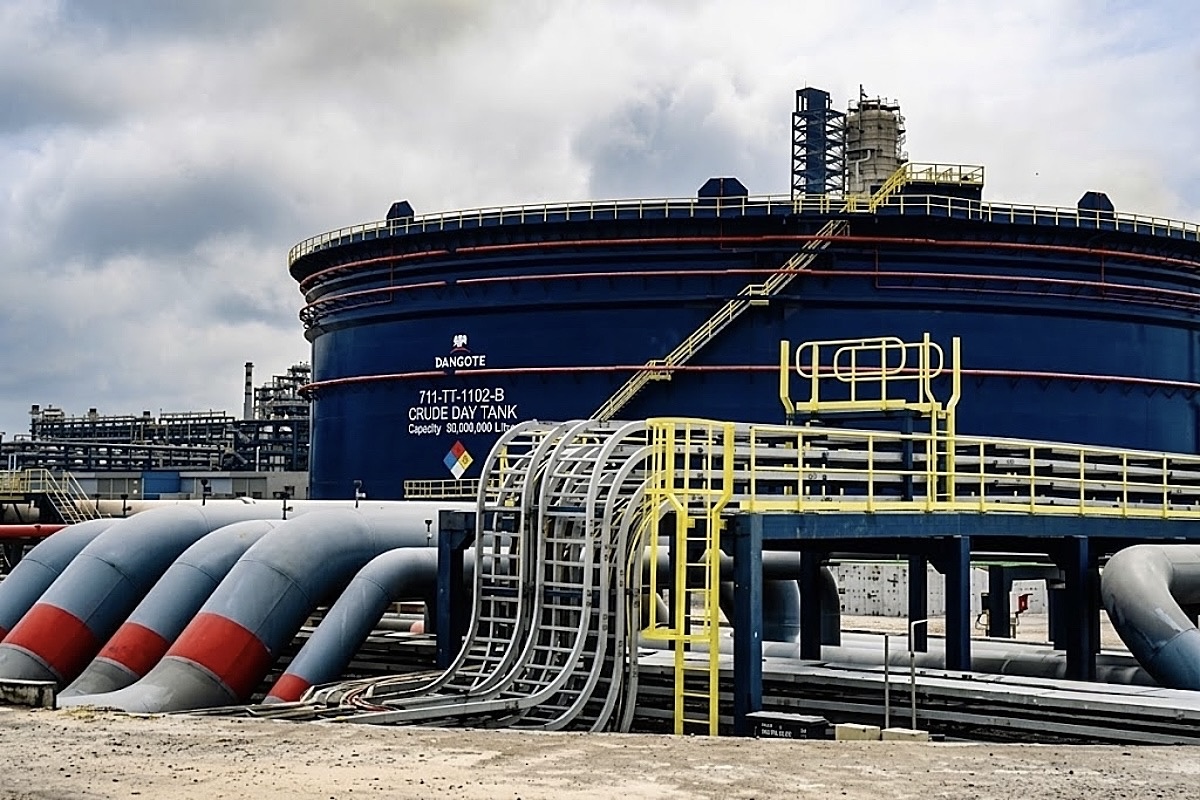
The Dangote Petroleum Refinery has purchased its first cargoes of crude oil from the United Arab Emirates (UAE), widening its sourcing strategy as persistent constraints in Nigeria's domestic crude supply push the facility to seek alternative feedstock.
According to S&P Global Commodity Insights, the 700,000-barrels-per-day refinery secured two cargoes of UAE Murban crude, marking the first time it will process Middle Eastern crude since commencing operations. The refinery has previously relied primarily on Nigerian crude, supplemented by imports from the United States and other African producers.
The move comes as crude exports from the Gulf return to normal following an interim peace agreement between the United States and Iran, which eased concerns over shipping through the Strait of Hormuz and improved access to Middle Eastern crude.
The purchase also spotlights the refinery's efforts to secure a more reliable supply of crude as it increases production.
Although the Dangote refinery has an agreement with the Nigerian National Petroleum Company Limited (NNPCL) to receive between 13 and 15 cargoes of Nigerian crude each month under the naira-for-crude arrangement, domestic deliveries have remained inconsistent because of production shortfalls and operational disruptions affecting export terminals.
Those supply constraints have repeatedly compelled the refinery to source crude from international markets to sustain refining operations.
Diversifying crude supply for expansion
The latest procurement aligns with the refinery's long-term strategy of increasing both refining capacity and feedstock flexibility.
Dangote Refinery plans to double its installed refining capacity from 700,000 barrels per day to 1.4 million barrels per day by the end of 2028, a scale that would allow it to process almost 80 per cent of Nigeria's current daily crude production.
The refinery's Chief Executive Officer, David Bird, had earlier indicated that the company intends to increase the share of heavier crude grades in its feedstock mix as operations expand.
"We definitely want to heavy up the barrel," Mr Bird said, adding that the refinery aims to become an active participant in crude blending and could process up to 30 per cent Middle Eastern crude on each refining train after the planned expansion.
S&P Global data shows that Nigerian crude accounted for about 70 per cent of the refinery's imports in 2025, while roughly 24 per cent originated from the United States. The addition of UAE crude further broadens the refinery's procurement portfolio as it evolves into a merchant refinery capable of sourcing crude from multiple global markets.
Related Stories



Sign up for our newsletter.
Get the latest news, expert analysis, and industry insights delivered straight to your inbox. Join thousands of professionals shaping the future of energy.
By submitting my information, I agree to the Privacy Policy and Terms of Service.