Oil & Gas
Nigerians to Report Fuel Price Exploitation — FCCPC
The FCCPC has stepped up oversight of Nigeria's downstream petroleum sector and urged consumers to report any sign of unfair fuel pricing.
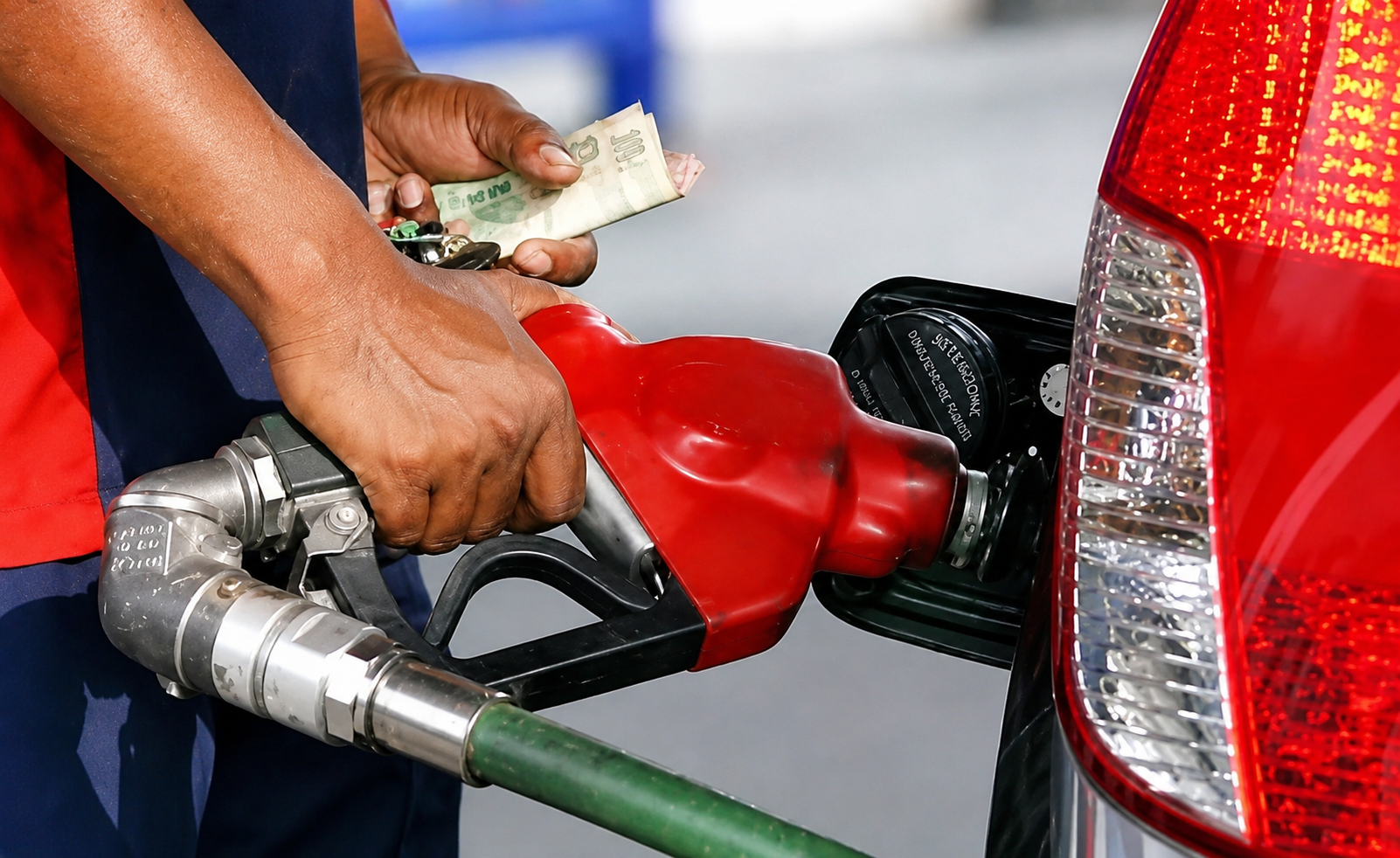
The Federal Competition and Consumer Protection Commission (FCCPC) has urged Nigerians to report suspected cases of unfair fuel pricing after observing that petrol prices have not fallen in line with the recent drop in global crude oil prices.
The commission warned that it would investigate and sanction any marketer found exploiting consumers, even under Nigeria's deregulated petroleum market.
Nigeria's downstream petroleum sector has operated under a deregulated system since fuel subsidy was removed. Under this arrangement, government no longer fixes petrol prices.
Companies are expected to determine prices based on market conditions, including crude oil prices, exchange rates, transportation costs and other operating expenses
Even so, the Federal Competition and Consumer Protection Act, 2018 empowers the FCCPC to investigate anti-competitive conduct and protect consumers from unfair business practices.
Consumers asked to support market oversight
The commission issued the warning on Sunday after monitoring activities in the downstream petroleum sector. It said petrol prices have only dropped slightly despite a sharp fall in the international price of crude oil.
Global crude oil now sells at about 73 dollars per barrel after tensions in the Middle East eased following a ceasefire involving the United States and Iran. The reopening of the Strait of Hormuz also helped reduce pressure on global oil supply.
During the period of tension in April and May, crude oil climbed to about 120 dollars per barrel. Fuel marketers quickly increased pump prices, with petrol selling between N1,350 and N1,500 per litre in many parts of the country, while diesel approached N2,000 per litre.
Although crude oil prices have returned to levels seen earlier in the year, petrol still sells at about N1,200 per litre in many locations.
FCCPC Executive Vice Chairman and Chief Executive Officer, Tunji Bello, said the commission does not fix fuel prices. He explained that its duty is to ensure businesses do not take advantage of consumers through unfair pricing or anti-competitive behaviour.
He warned that deregulation does not protect any company found exploiting Nigerians and encouraged members of the public to report suspected violations for investigation.
Marketers defend current pricing
Fuel marketers and refiners have defended their pricing, saying the cost of petrol depends on more than the international price of crude oil.
The Executive Secretary of the Major Energies Marketers Association of Nigeria, Clement Isong, said many marketers bought fuel when costs were much higher. He explained that cutting pump prices immediately could result in losses, although prices are gradually easing.
The Publicity Secretary of the Crude Oil Refinery Owners Association of Nigeria, Eche Idoko, said the foreign exchange market also affects petrol pricing because many business expenses are tied to the value of the United States dollar.
Industry figures show the landing cost of imported petrol is about N983.92 per litre, while some local refiners have quoted ex-depot prices between N1,025 and N1,075 per litre. Consumer groups believe these costs should allow petrol to sell below N1,000 per litre.
The FCCPC said it will continue monitoring the downstream petroleum market while examining complaints from consumers. The outcome of those investigations may determine whether any marketer has breached the law or whether current pump prices can be justified by prevailing market conditions.
Related Stories
Sign up for our newsletter.
Get the latest news, expert analysis, and industry insights delivered straight to your inbox. Join thousands of professionals shaping the future of energy.
By submitting my information, I agree to the Privacy Policy and Terms of Service.