Oil & Gas
New Offshore Project Lifts Libya Gas Output
A new offshore gas compression project in Libya is increasing gas recovery, helping power stations, supporting exports to Italy, and backing the country's energy plans.
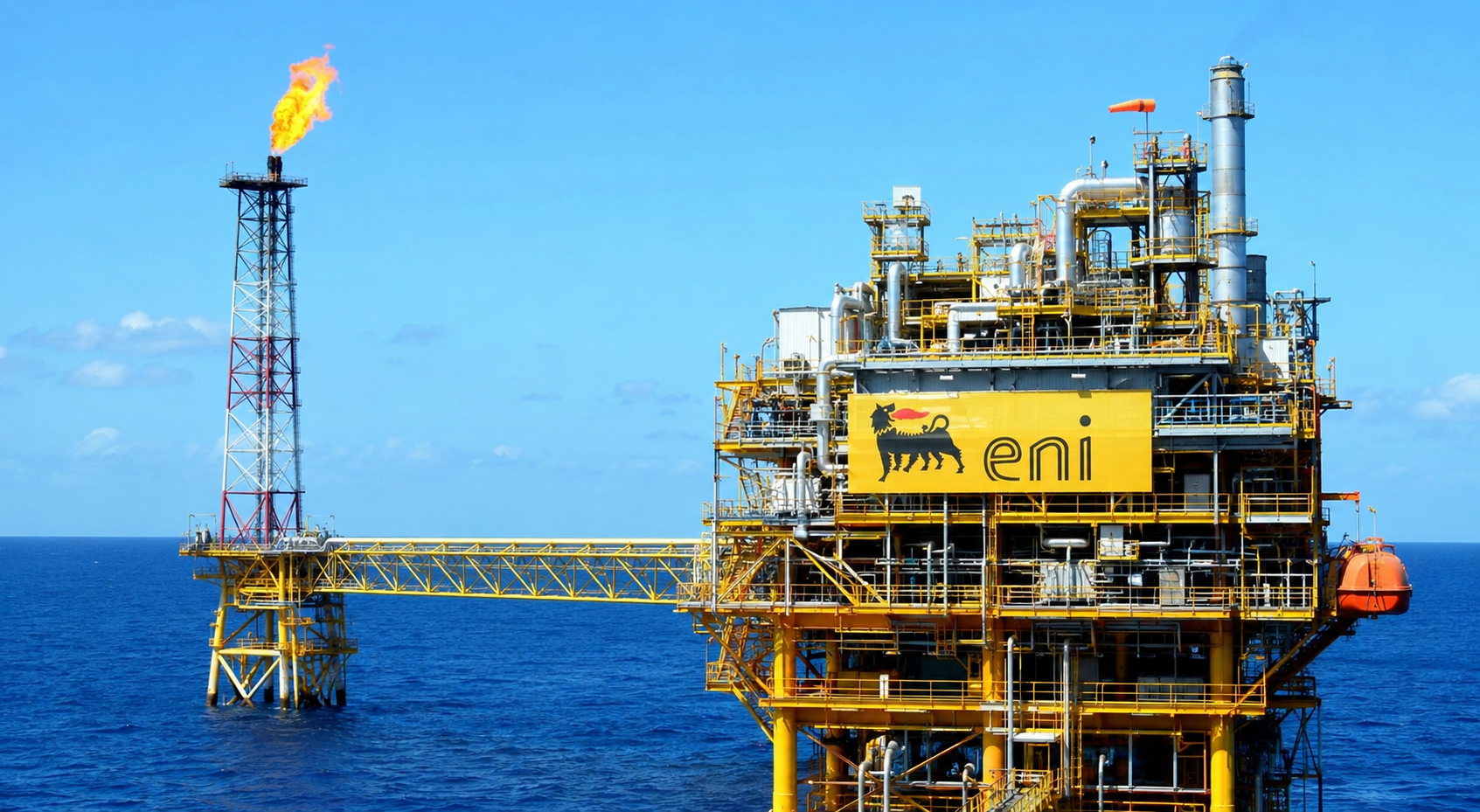
Libya has increased the amount of natural gas available for electricity generation after a new offshore compression project started operating at the Bahr Essalam gas field in the Mediterranean Sea.
The project was developed by Eni SpA and Libya's National Oil Corporation (NOC). It is expected to raise natural gas production by about 28 billion cubic feet each year.
It will also increase condensate production by about 360,000 barrels annually. The extra gas is being sent through the Mellitah-Misrata coastal pipeline to supply power plants, helping them receive the pressure and gas volumes needed for stable operations.
Gas project strengthens electricity supply
The project includes a new 1,600-ton multi-train compression module installed on the Sabratha offshore platform. The new equipment gives the facility a total compression capacity of about 440 million cubic feet of gas each day.
The compression system allows gas production to continue even as pressure in the Bahr Essalam field falls with age. This helps recover more gas that would have been difficult to produce and keeps supplies flowing to electricity plants and other users. The project is also expected to support gas exports to Italy through the Greenstream pipeline, which links Libya to Sicily under the Mediterranean Sea.
Eni and Libya's National Oil Corporation each own a 50 per cent stake in both the Bahr Essalam field and the Greenstream pipeline.
Wider investment supports energy goals
The Bahr Essalam project is one of three major energy developments Eni is carrying out in Libya. Work is also close to completion on the Bouri Gas Utilization Project after the installation of its gas recovery module. Another project, known as Structures A&E, is under construction to develop two offshore gas fields.
Eni has operated in Libya since 1959 and is the country's biggest international energy producer. In 2025, the company recorded equity production of about 162,000 barrels of oil equivalent per day. It is investing about $10 billion in its current development projects in the country.
The gas project comes as Libya continues to increase energy production. On June 21, the National Oil Corporation announced that the country reached its highest daily crude oil production since 2013, producing about 1.44 million barrels per day. Condensate output reached 49,163 barrels per day, taking total daily production to almost 1.49 million barrels.
Libya aims to raise crude oil production to 1.5 million barrels per day before the end of the year. The country's longer-term plan targets production of 2 million barrels per day, with natural gas projects expected to play an important role in supporting energy supply, exports, and economic development.
Related Stories
Sign up for our newsletter.
Get the latest news, expert analysis, and industry insights delivered straight to your inbox. Join thousands of professionals shaping the future of energy.
By submitting my information, I agree to the Privacy Policy and Terms of Service.