Oil & Gas
Dangote Refinery Exports 456,000 Tonnes of Fuel
The shipments come as global oil markets remain unsettled by the ongoing conflict in the Middle East, which has disrupted key shipping routes, including the Strait of Hormuz, and driven crude prices higher.
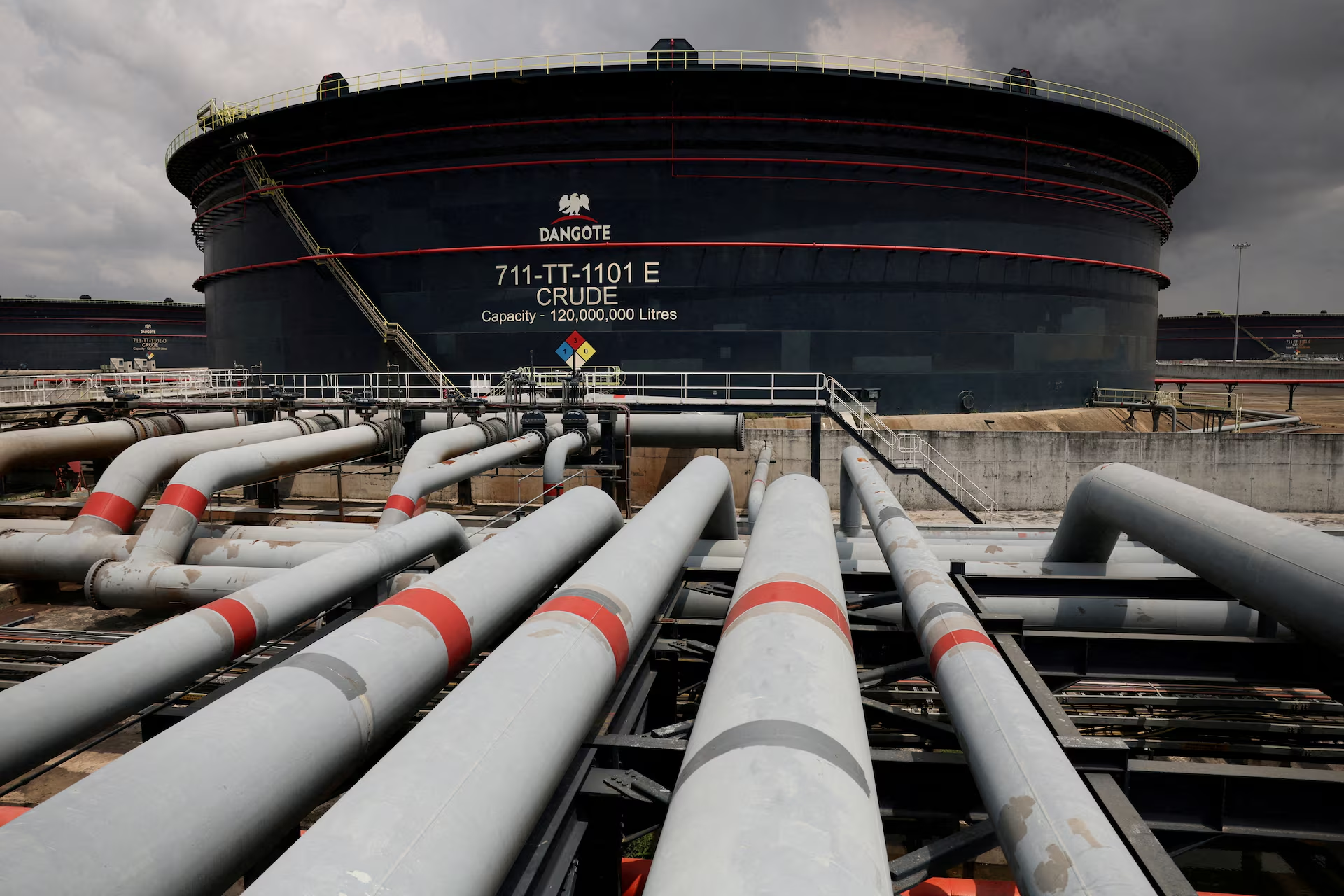
The Dangote Petroleum Refinery has expanded its footprint across Africa after exporting 456,000 tonnes of refined petroleum products to multiple countries as it scales up operations and positions Nigeria as a regional energy hub.
The refinery confirmed that the exports, comprising 12 cargoes sold through international traders on a Free on Board basis, were destined for markets including Côte d’Ivoire, Cameroon, Tanzania, Ghana, and Togo. “The Dangote Petroleum Refinery has strengthened Nigeria’s presence in the regional energy market with the successful sales of 12 cargoes, by traders, totaling 456,000 tonnes (456KT) of refined petroleum products,” the company said in a statement.
The shipments come as global oil markets remain unsettled by the ongoing conflict in the Middle East, which has disrupted key shipping routes, including the Strait of Hormuz, and driven crude prices higher. The resulting volatility has prompted countries to seek alternative supply channels, creating opportunities for regional refining hubs.
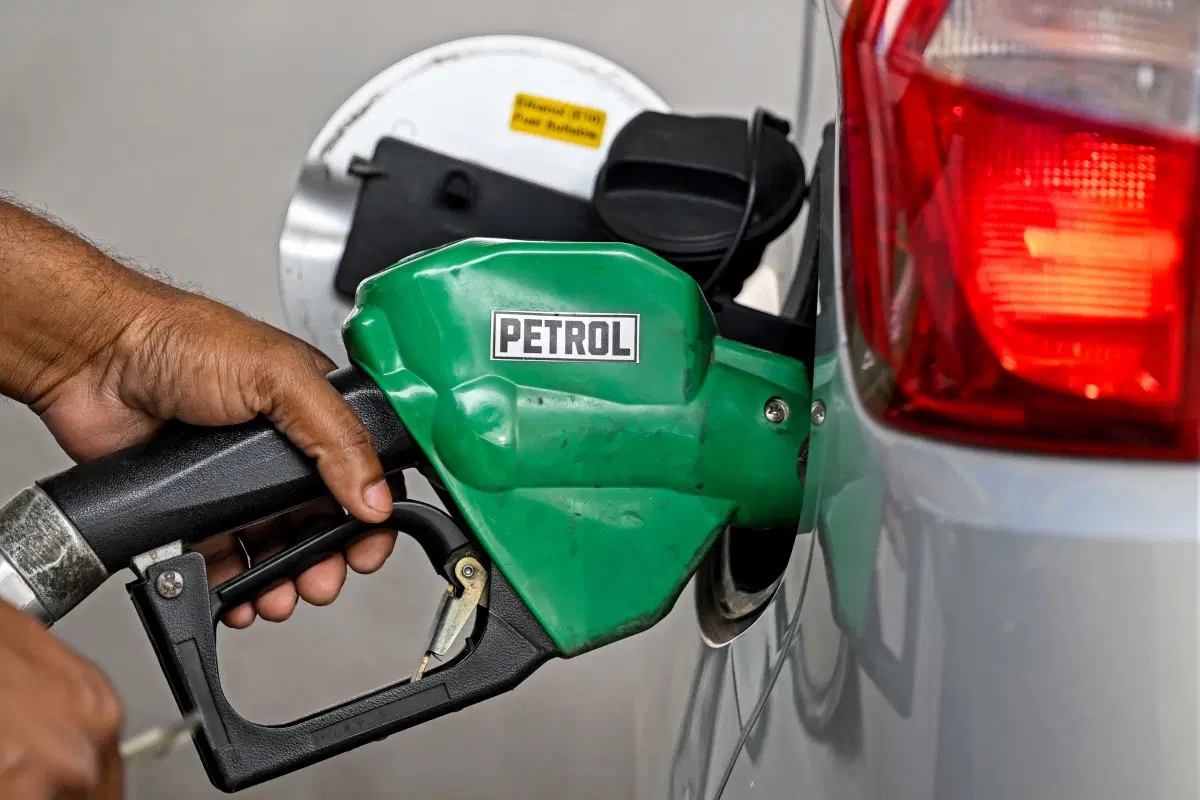
For Nigeria, the impact has been felt domestically through rising fuel prices. Petrol, which previously sold for about ₦870 per litre, now trades at around ₦1,500 in many parts of the country. The refinery has adjusted its gantry prices multiple times in response to global market fluctuations, contributing to higher pump prices nationwide.
The facility, which ramped up to its nameplate capacity of 650,000 barrels per day in February following the optimisation of its Crude Distillation Unit and Motor Spirit production block, is increasingly demonstrating its ability to serve both domestic and export markets. Industry analysts say the scale of recent shipments underscores its capacity to move beyond meeting local demand and emerge as a key supplier of refined products across the continent.
Beyond volumes, the refinery is producing Euro V-standard gasoline and diesel, a development expected to improve fuel quality in African markets that have historically relied on lower-grade imports. By shortening supply routes and reducing logistical bottlenecks, the exports are also seen as a step toward easing price pressures and strengthening intra-African trade.
Nigerian authorities have pointed to the development as evidence of the strategic importance of domestic refining capacity. Minister of Foreign Affairs Yusuf Tuggar said the ongoing Middle East conflict highlights why Gulf producers should see Nigeria as a partner in diversifying global energy supply during periods of disruption.
As the refinery continues to expand output and reach, analysts say it is reshaping regional fuel trade dynamics, with Nigeria increasingly emerging as a central hub for refined petroleum products across West, Central, and East Africa.
Related Stories

Sign up for our newsletter.
Get the latest news, expert analysis, and industry insights delivered straight to your inbox. Join thousands of professionals shaping the future of energy.
By submitting my information, I agree to the Privacy Policy and Terms of Service.