Oil & Gas
DR Congo Assures Fuel Supply Until June
DR Congo says fuel stocks will meet demand through June but warns that global shipping disruptions linked to Middle East tensions could drive up import costs and domestic prices.
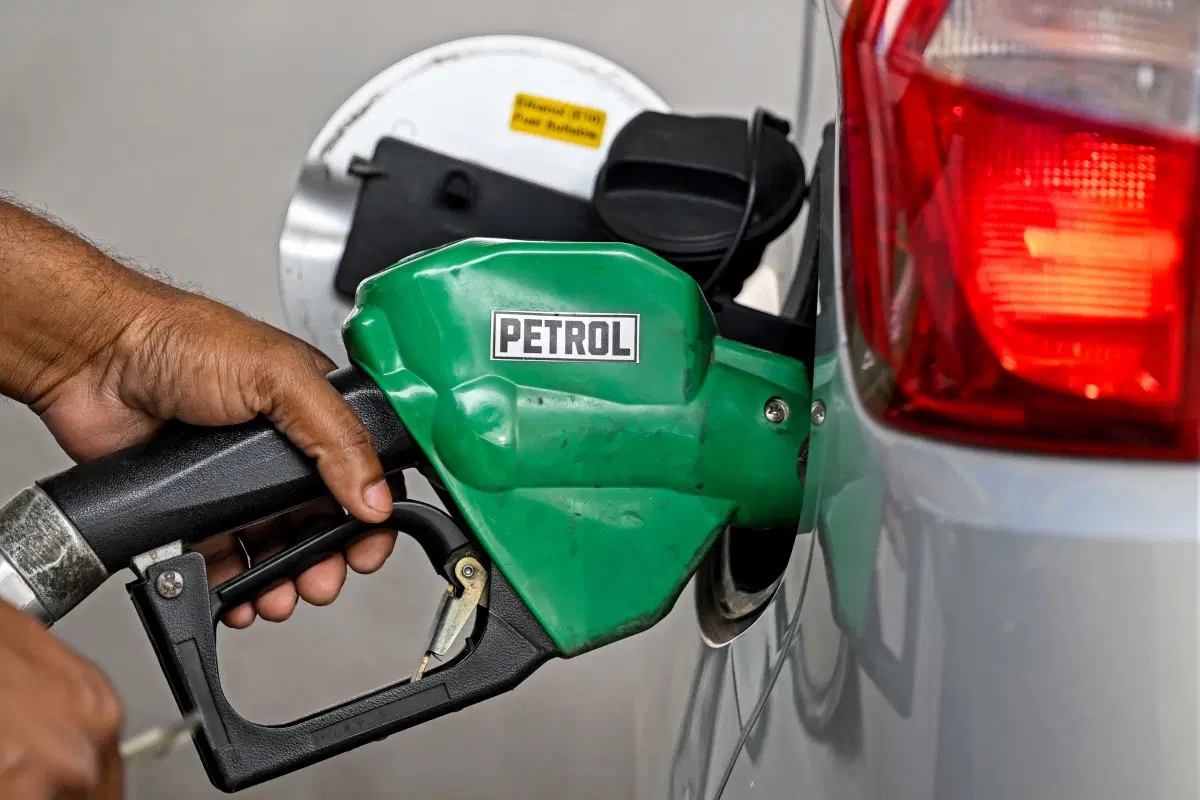
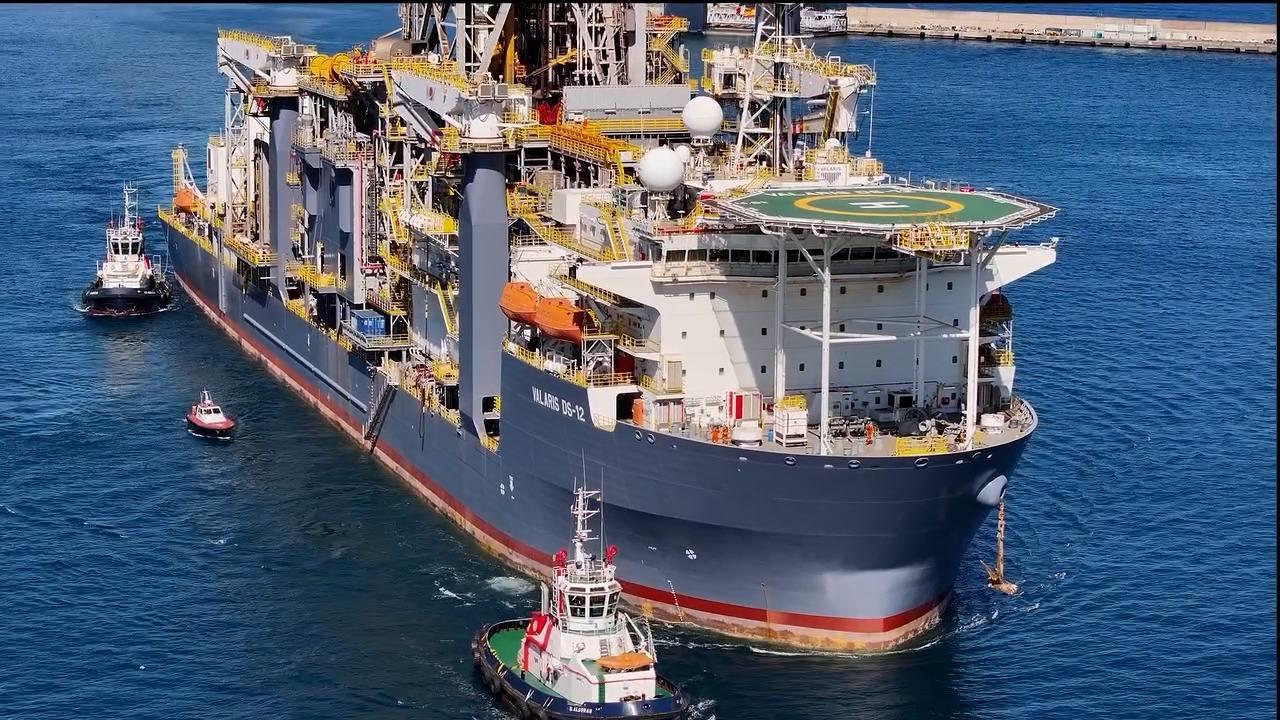
The Democratic Republic of Congo has assured that its fuel supply will remain stable through June, even as global shipping disruptions linked to tensions in the Middle East threaten to push up import costs and domestic prices.
A government briefing presented at the Council of Ministers meeting indicated that current fuel stocks are sufficient to meet national demand in the coming months. Authorities described the situation as broadly stable, noting that several tankers carrying petroleum products are expected to arrive in the weeks ahead to replenish supplies and support distribution.
The assurances come amid mounting concern over disruptions to global energy markets following Israeli and U.S. strikes on Iran, which have affected key maritime routes including the Strait of Hormuz and the Suez Canal. According to Congolese officials, these corridors account for roughly 20 per cent and 10 per cent of global oil flows respectively, underscoring their strategic importance.
Data cited by TV5 Monde pointed to a sharp decline in maritime traffic, with only 105 vessels transiting the Strait of Hormuz between March 1 and March 18, compared with around 120 per day under normal conditions. The drop highlights the scale of disruption to global logistics and supply chains.
In response to the evolving situation, the government is considering the creation of a strategic fuel reserve of at least 50,000 tonnes covering both land and aviation fuels. The proposal, presented earlier in March, is intended as a precautionary measure against potential shortages in an increasingly uncertain global environment.
Despite stable supplies in the short term, authorities warned that higher import costs are likely. Any increase in the average border price, known as PMF and used to determine domestic fuel pricing, could eventually feed into the local market.
Officials said a range of short-, medium-, and long-term measures have been introduced to maintain supply stability, limit fiscal pressure, and protect the domestic market, although specific details were not disclosed.
As global energy markets remain volatile, the government’s focus on supply security and contingency planning reflects broader concerns across import-dependent economies facing rising costs and uncertain logistics.
Related Stories
Sign up for our newsletter.
Get the latest news, expert analysis, and industry insights delivered straight to your inbox. Join thousands of professionals shaping the future of energy.
By submitting my information, I agree to the Privacy Policy and Terms of Service.