Oil & Gas
Egypt Moves to Clear $1.3bn Oil Debt
Egypt plans to repay $1.3 billion owed to foreign oil firms by June in a bid to restore investor confidence, boost declining production, and reduce rising energy import costs.
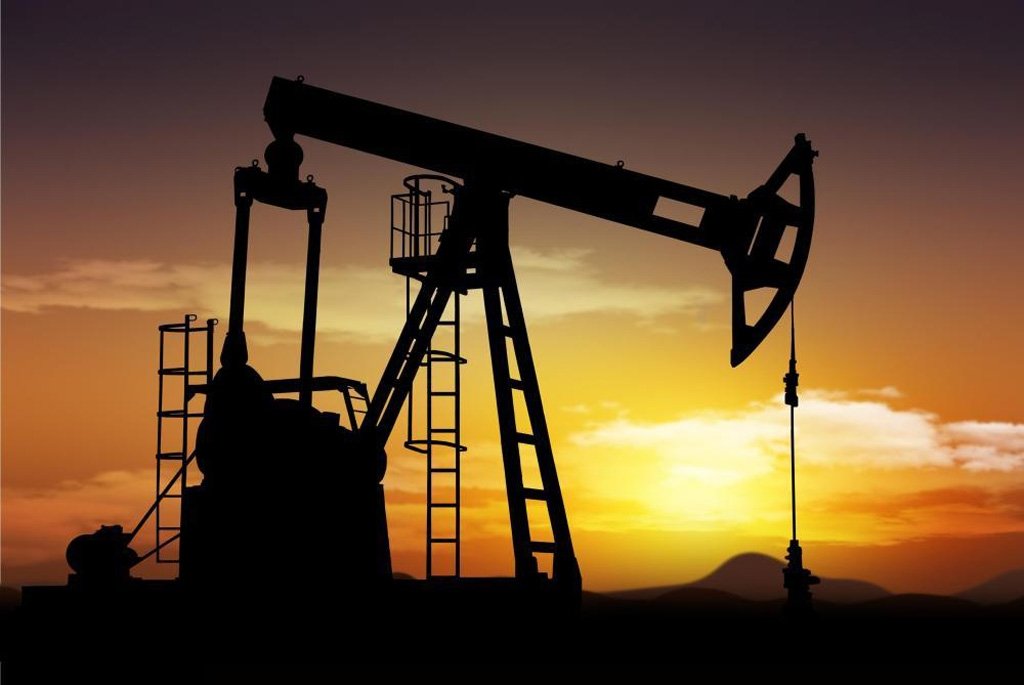
Egypt has accelerated plans to repay $1.3 billion in arrears owed to international oil companies, bringing forward its timeline as it seeks to stabilise its energy sector, revive production, and restore investor confidence.
The government said it will clear the outstanding payments by June, a move analysts view as critical to unlocking fresh investment in upstream oil and gas projects that have slowed in recent years.
The arrears, which had climbed to about $6.1 billion by mid-2024, were largely driven by prolonged foreign currency shortages that delayed payments to foreign partners and disrupted exploration and production activity. Although pressure on foreign exchange has eased in recent months, concerns have persisted among some companies over renewed delays.
Under an earlier plan announced in January, Egypt had expected to still owe roughly $1.2 billion by mid-2026. The revised schedule signals a more aggressive push by authorities, who are now incorporating regular repayments into fiscal planning.
The strategy comes as Egypt grapples with declining domestic energy output. Production has fallen steadily since peaking in 2021, increasing reliance on imports, particularly liquefied natural gas, and exposing the economy to global price volatility.
Rising geopolitical tensions in the Middle East have further complicated the outlook, driving up international oil prices and inflating Egypt’s energy import bill. According to the Institute of International Finance, higher oil prices could increase government spending by between 0.2 per cent and 0.55 per cent of GDP, adding pressure to an economy still recovering from multiple external shocks.
Clearing arrears is widely seen as a necessary step to restore confidence among international oil companies and encourage renewed drilling and exploration. Without sustained investment, analysts warn, Egypt risks further declines in output and a deeper reliance on costly imports.
In parallel, the government is considering measures to manage rising demand and contain costs, including promoting remote work for some public employees and introducing earlier closing hours for shops.
Egypt’s ability to sustain repayments and attract fresh capital will depend on maintaining adequate foreign exchange reserves and broader macroeconomic stability. For now, the accelerated debt clearance is being viewed as a crucial signal of intent to re-engage investors and reverse the downturn in domestic energy production.
Related Stories

Sign up for our newsletter.
Get the latest news, expert analysis, and industry insights delivered straight to your inbox. Join thousands of professionals shaping the future of energy.
By submitting my information, I agree to the Privacy Policy and Terms of Service.