Oil & Gas
Drone Attacks Put Libya’s Zawiya Refinery at Risk of Shutdown
Repeated drone attacks on Libya’s Zawiya refinery are raising fresh concerns over fuel supply and the security of oil infrastructure as the NOC warns operations could be suspended.
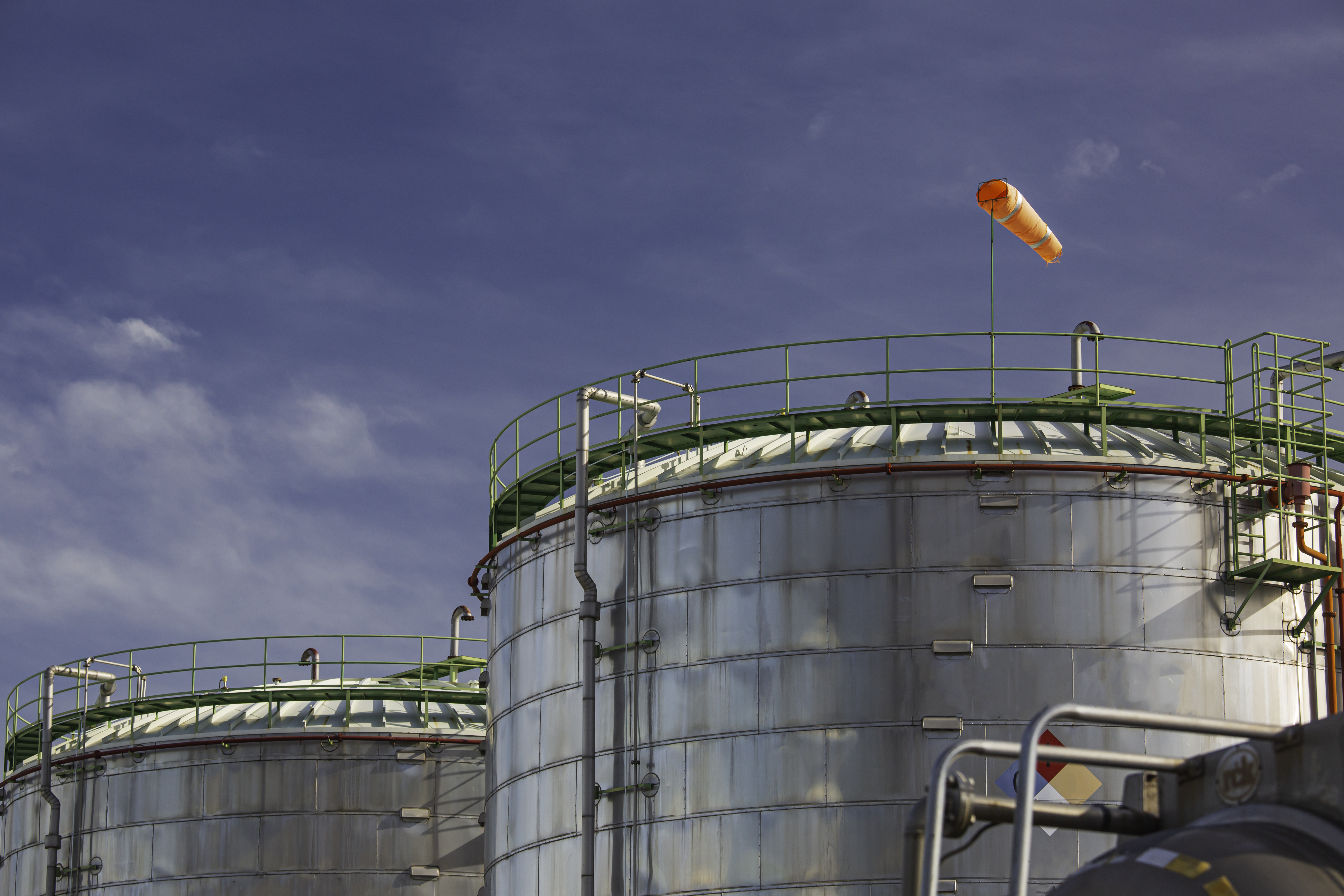
Libya’s Zawiya refinery is facing the risk of a shutdown after a series of drone attacks damaged facilities at the site and set fire to a gasoline storage tank, raising fresh concerns over the security of the country’s oil infrastructure.
The National Oil Corporation (NOC) said Monday’s attack struck tank 402-T, operated by Brega Oil Company, which held about 4.5 million litres of gasoline. The tank caught fire and later collapsed.
The attack came after two earlier incidents at the refinery. A water desalination plant was targeted on Sunday, while a naphtha reservoir was attacked on Saturday, according to the NOC.
The refinery, located about 40 kilometres west of Tripoli, remains operational, but the NOC warned that continued attacks could force it to declare force majeure and suspend operations.
A further drone attack was reported hours after the gasoline tank fire. The NOC said a drone targeted an oil blending and filling facility operated by Zawiya Oil Refining Company but fell near the refinery’s main oil tank and a pipeline network without causing casualties or significant damage.
The NOC has not identified those behind the attacks, and no group has claimed responsibility.
Fuel supply faces another security risk
The threat to Zawiya goes beyond damage to individual facilities. The refinery is an important part of Libya’s domestic petroleum infrastructure, making repeated attacks a potential threat to fuel supplies and the wider economy.
The NOC declared a maximum emergency in the area and called for an investigation into the attacks. Brega Oil Company also urged all parties to keep fighting away from oil facilities and storage sites, describing them as national assets.
The aforementioned incidents come against the backdrop of Libya’s prolonged political and security divisions. The country remains split between the UN-recognised government in Tripoli and a rival administration in the east, while armed groups continue to wield significant influence.
Those divisions have repeatedly complicated the protection and operation of Libya’s oil infrastructure, despite the ceasefire that ended large-scale fighting in 2020.
The Tripoli government said Prime Minister Abdul Hamid Dbeibah had met senior security officials to discuss the attacks and called for firm action against anyone threatening vital infrastructure.
Libya’s House of Representatives Energy and Natural Resources Committee also condemned the attack and called for stronger protection of oil facilities.
The immediate concern is whether further attacks will disrupt refinery operations. A shutdown at Zawiya would add another layer of pressure to Libya’s already fragile energy system, while also underscoring the risks facing oil infrastructure in a country where political and security tensions remain unresolved.
Related Stories



Sign up for our newsletter.
Get the latest news, expert analysis, and industry insights delivered straight to your inbox. Join thousands of professionals shaping the future of energy.
By submitting my information, I agree to the Privacy Policy and Terms of Service.