Oil & Gas
Egypt Slows Energy-Intensive Mega Projects as Import Costs Rise
Egypt introduces energy-saving measures, including remote work and project slowdowns, as rising oil import costs strain public finances.
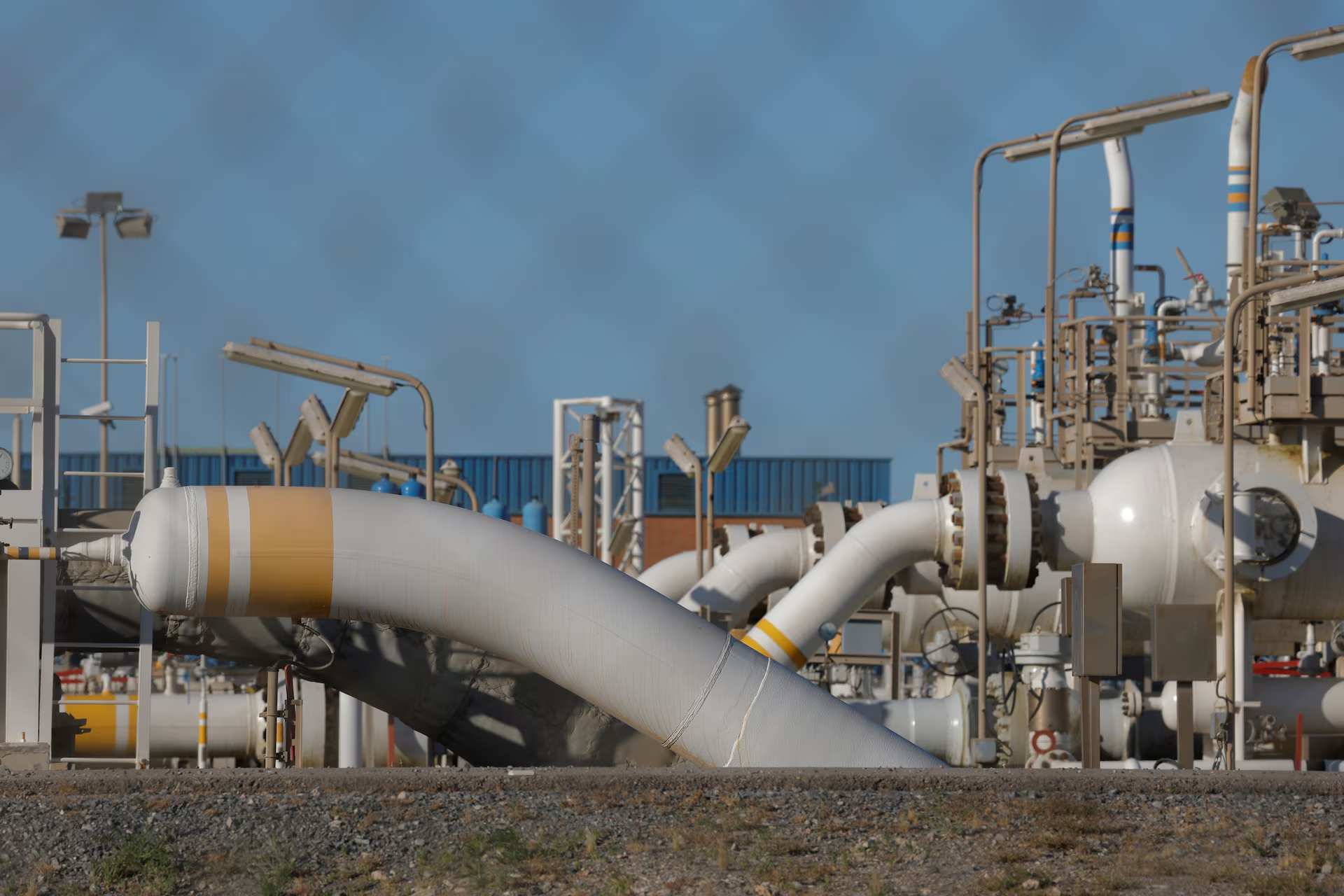
Egypt will slow down energy-intensive mega-projects and introduce mandatory remote working for government employees as rising global oil prices push up the country’s fuel import bill.
Prime Minister Mostafa Madbouly announced the measures on Saturday, 28 March, stating that Egypt’s monthly petroleum import costs had more than doubled from $1.2 billion in January to $2.5 billion in March amid regional tensions linked to the US-Israel conflict with Iran.
“We are facing exceptional circumstances,” Madbouly said during a cabinet press conference, adding that further measures could follow if the crisis persists.
Under the new plan, ministries have been instructed to identify major projects with high diesel and petrol consumption for a two-month slowdown. In addition, government workplaces will adopt mandatory work-from-home arrangements every Sunday starting in April.
Madbouly said studies by the Ministry of Electricity show that reduced office attendance lowers both electricity consumption and fuel use linked to transportation. The policy will not apply to essential services, including water, gas, sanitation, hospitals and emergency operations. Schools and universities will continue in-person activities through the end of the academic year.
The government has also reduced fuel allocations across public institutions by 30 per cent and signalled that remote working could be extended to two days per week if pressures persist.
Earlier measures include shortened business hours, requiring shops, malls, restaurants and cafés to close by 9 pm, with a 10 pm extension on Fridays and Saturdays. Street lighting has been minimised, and advertising lights switched off.
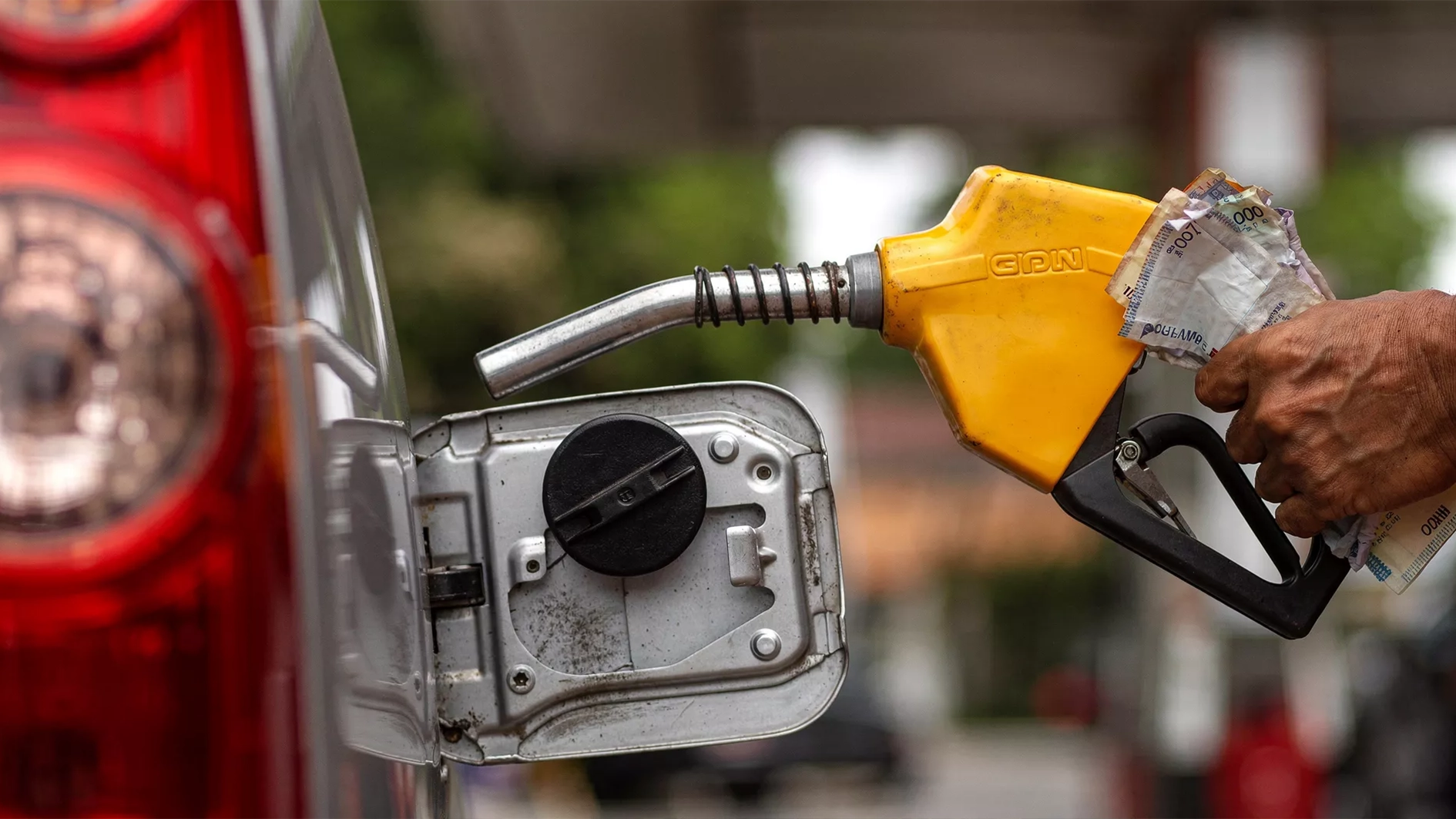
Fuel and gas prices were raised by between 14 per cent and 30 per cent earlier in March. Madbouly said the increases cover “less than one-third of actual global cost increases”, noting that the government continues to absorb a significant share of the burden to limit inflation.
“Price adjustments alone are not enough. Reducing consumption is now essential to maintaining economic stability,” he said.
Madbouly added that Egypt aims to preserve industrial output while managing the economic impact of ongoing regional instability.
Looking ahead, the government targets a 5 per cent primary surplus in the 2026–2027 fiscal year, equivalent to about EGP 1.2 trillion. Revenues are projected to exceed EGP 4 trillion, while expenditure growth will be capped to reduce the fiscal deficit to 4.9 per cent.
He said social programmes, including Universal Health Insurance and cash support initiatives, will remain funded despite fiscal pressures.
Related Stories
Sign up for our newsletter.
Get the latest news, expert analysis, and industry insights delivered straight to your inbox. Join thousands of professionals shaping the future of energy.
By submitting my information, I agree to the Privacy Policy and Terms of Service.