Oil & Gas
Ghana Faces Sharp Fuel Price Surge as Hormuz Disruption Continues
Ghana braces for a steep rise in fuel prices as global oil supply disruptions and currency pressures push pump costs significantly higher.
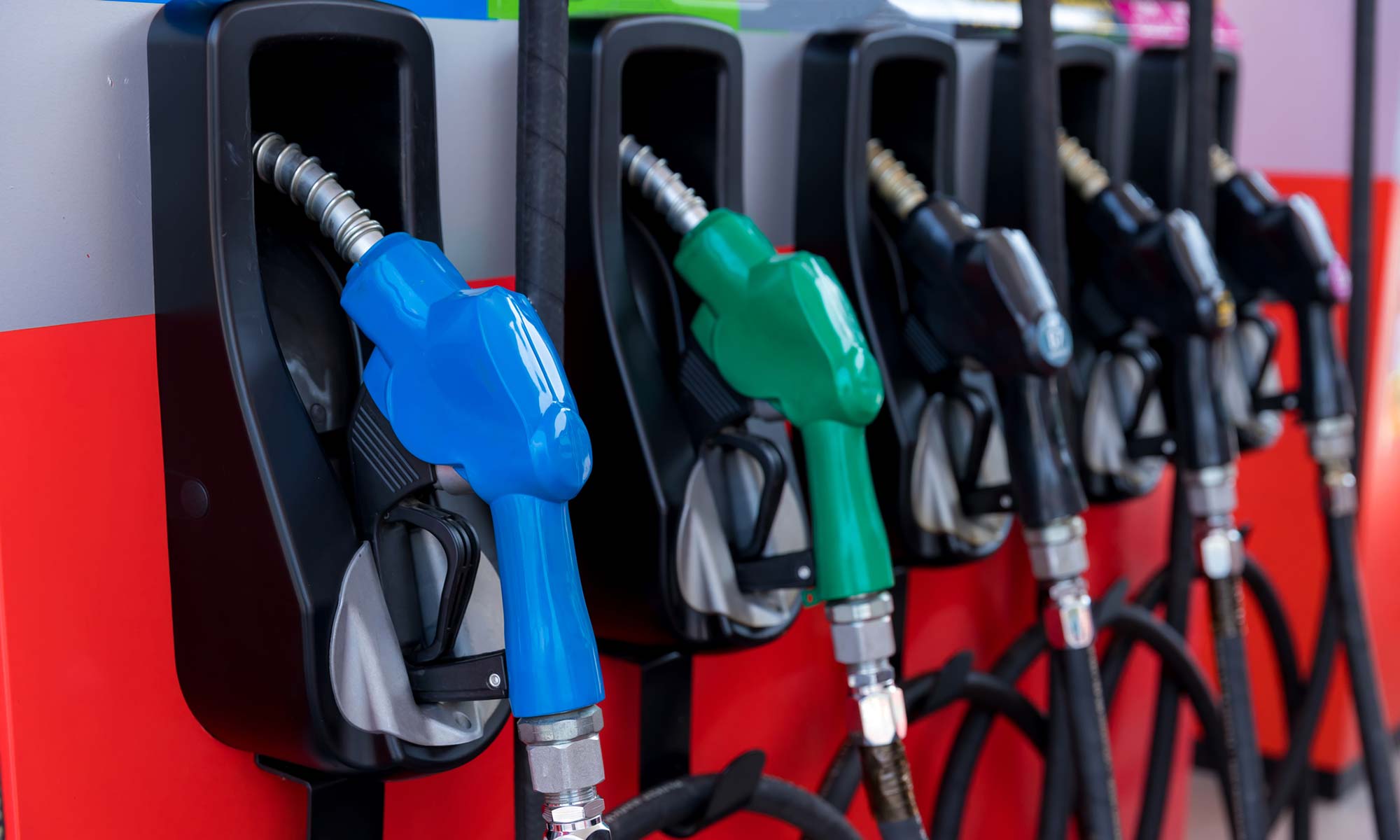
Ghana is preparing for one of its steepest fuel price increases in recent years ahead of the 1 April pricing window, with new projections pointing to sharp rises in petrol, diesel and liquefied petroleum gas (LPG).
The Chamber of Petroleum Consumers (COPEC), in a statement, said petrol prices could rise by 16.1 per cent and diesel by 18.6 per cent, driven by disruptions to global crude supply linked to tensions involving Iran.
Global oil prices have climbed significantly within the current pricing window, with crude rising from $86.2 per barrel to $109.23 per barrel. The Ghanaian cedi also weakened slightly against the US dollar, adding further pressure to domestic fuel costs.
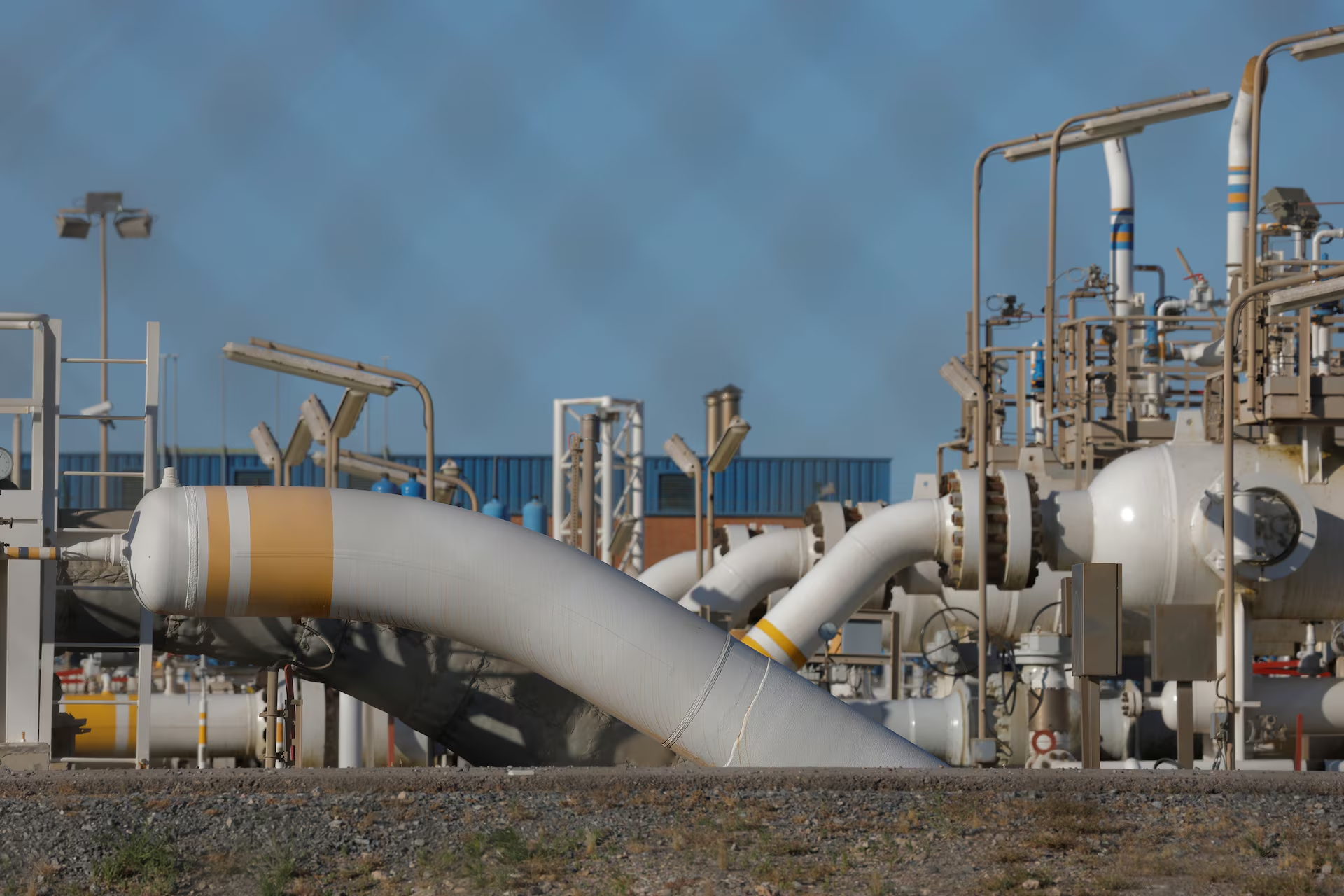
Brent crude closed at $112.57 per barrel on Friday, 27 March, its highest level since July 2022, as the Strait of Hormuz remained largely shut to commercial traffic, affecting nearly 17.8 million barrels of oil per day. Analysts estimate that geopolitical risks have added between $14 and $18 per barrel to current prices.
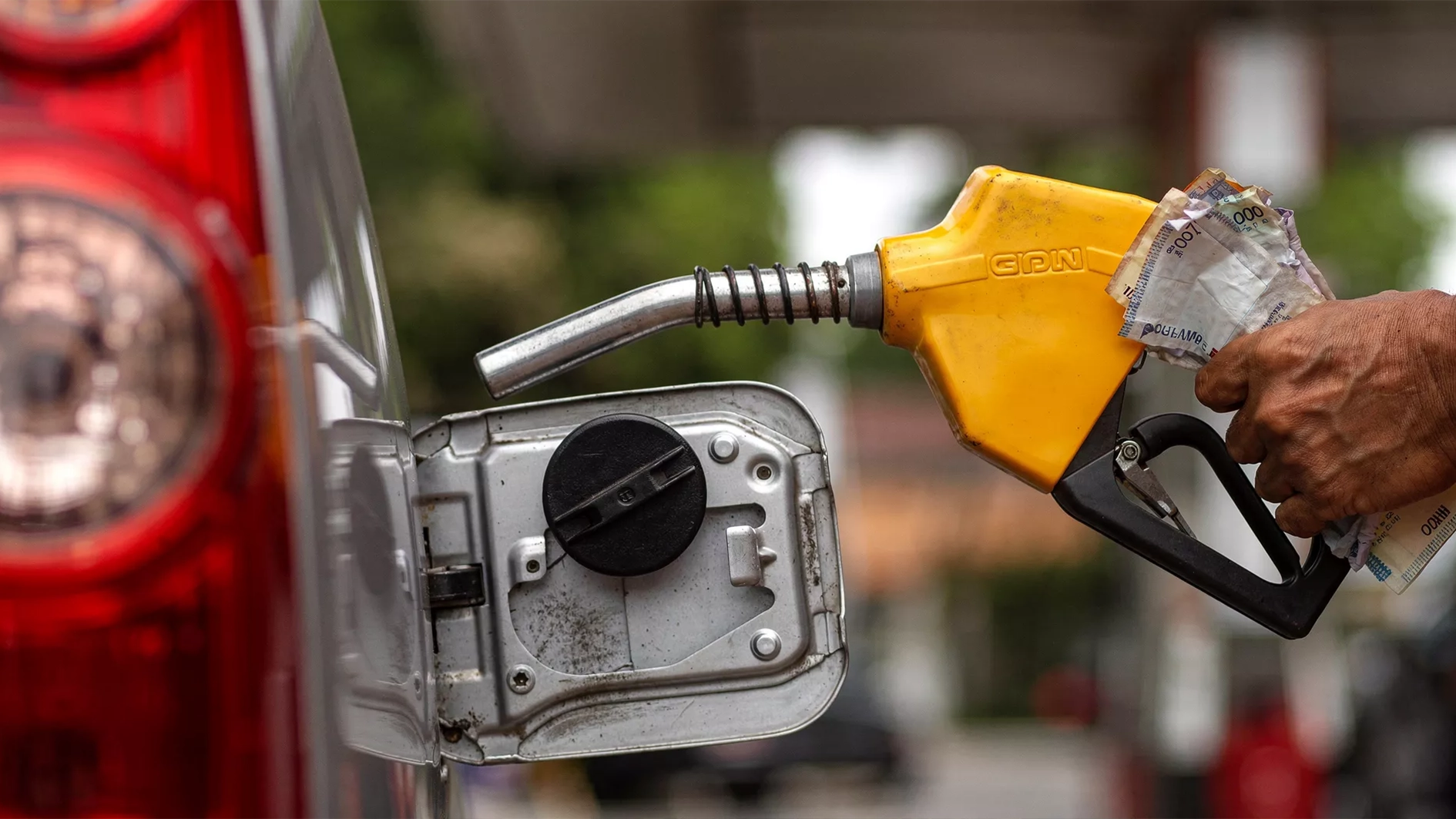
COPEC said the impact will be strongly felt at the pumps. Diesel prices are projected to reach about GH¢18.67 per litre, with possible retail prices ranging between GH¢17.74 and GH¢19.61. LPG prices are also rising sharply, with international prices up by 36.93 per cent, pushing expected retail prices to around GH¢15.90 per kilogramme.
As of the second March pricing window, petrol sold above GH¢12.40 per litre, while diesel was around GH¢15.60. The latest projections suggest diesel alone could increase by more than GH¢3 per litre within a single pricing cycle.
COPEC urged Oil Marketing Companies to absorb part of the increases. “We urge industry players to shield consumers by shelving part of their margins so as not to overburden them,” the group said.
Energy and Green Transition Minister John Abu Jinapor warned against removing the GH¢1 per litre fuel levy without a viable alternative, noting that such a step could destabilise the energy sector. He said discussions are ongoing with the Ministry of Finance to review the levy and explore sustainable options.
COPEC Executive Secretary Duncan Amoah renewed calls for Ghana to build strategic fuel reserves to cushion global shocks. “We wait and obey the wind. Whatever happens, we pass it on to our people,” he said, highlighting the country’s exposure to external market volatility.
Industry estimates suggest Ghana would require about $3 billion to establish a six-month strategic petroleum reserve.
Related Stories
Sign up for our newsletter.
Get the latest news, expert analysis, and industry insights delivered straight to your inbox. Join thousands of professionals shaping the future of energy.
By submitting my information, I agree to the Privacy Policy and Terms of Service.