Oil & Gas
Namibia Raises Fuel Prices Amid Rising Global Oil Costs
Namibia adjusts domestic fuel prices in response to international market pressures, while temporary tax cuts aim to ease the burden on households and businesses.
Namibia adjusts domestic fuel prices in response to international market pressures, while temporary tax cuts aim to ease the burden on households and businesses.
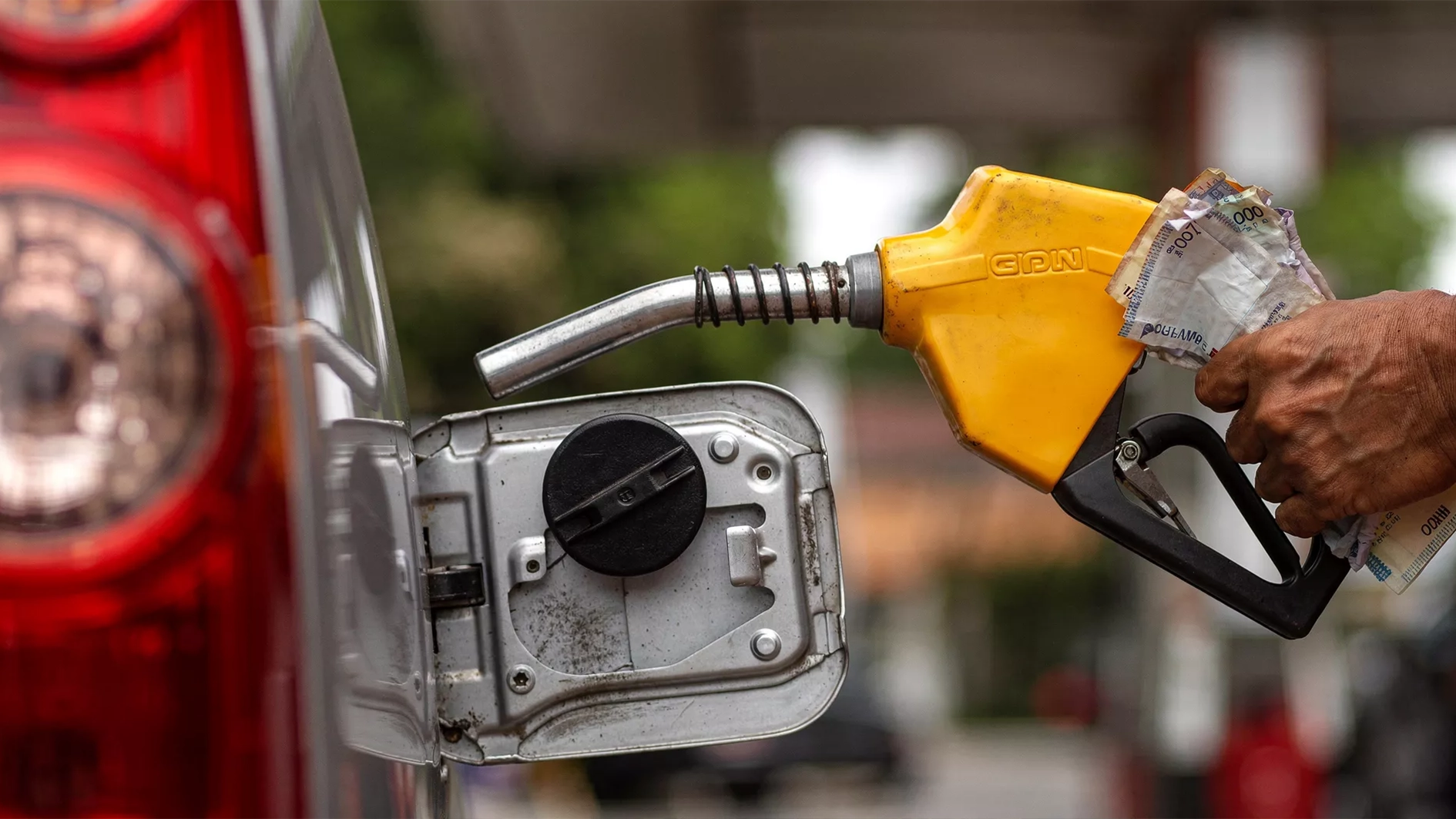
Namibia will increase fuel prices starting on April 1, as the government responds to climbing global oil costs while taking steps to mitigate the impact on consumers.
Gasoline prices will rise by 2.50 Namibian dollars (around $0.14) per liter, and diesel across all grades will go up by 4 Namibian dollars per liter. The announcement was made on Friday, March 27, by Minister of Industry, Mines and Energy, Modestus Amutse.
“The objective is to smooth price volatility and ensure stability in domestic fuel prices,” Amutse said, stressing that the government seeks to shield households and businesses from sudden spikes.
Rising international oil prices, driven by geopolitical tensions in the Middle East involving the United States, Israel, and Iran, have increased shipping and insurance costs. The weakening of the Namibian dollar against the U.S. dollar has also contributed to higher import costs. From March 1 to 23, the average exchange rate was 16.62 Namibian dollars per U.S. dollar, compared with 16 in February.
To ease the burden, the government will temporarily reduce fuel taxes by 50% from April through June 2026. In addition, the National Energy Fund is expected to cover around 500 million Namibian dollars per month to absorb part of the price hike.
Namibia remains entirely reliant on imported petroleum, with no domestic refineries. Annual fuel consumption is estimated at 1.1 billion liters, with diesel accounting for nearly 70% and gasoline roughly 30%, according to government data.
Amutse noted that current fuel stocks are sufficient to meet one to two months of national demand. He also warned against panic buying and hoarding, emphasising that unauthorized resale is illegal and that fuel must be handled safely.
Related Stories


Sign up for our newsletter.
Get the latest news, expert analysis, and industry insights delivered straight to your inbox. Join thousands of professionals shaping the future of energy.
By submitting my information, I agree to the Privacy Policy and Terms of Service.