Renewables
Electric Two-Wheelers Could Cut Transport Costs by 80% in Nigeria — Report
RMI report says electric mobility could save households and businesses money and create local jobs if Nigeria puts the right systems in place.
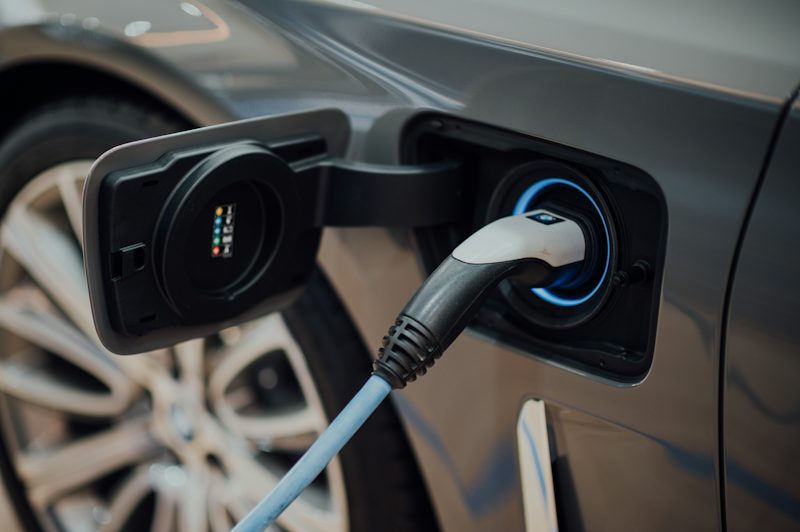
Nigeria could cut the cost of running two-wheelers by as much as 80 per cent through electric mobility, a report by RMI has found. The report, released in Lagos on August 26, 2026, says a clear national plan, charging facilities and easier access to finance could help more Nigerians use electric vehicles.
Electric vehicles currently account for only 0.1 per cent of vehicles on Nigerian roads. Still consumers who switch to electric two-wheelers could save between 20 and 80 per cent on operating costs, giving the technology a possible financial benefit for households, businesses and transport operators.
The findings were contained in RMI's report titled, ''A Policy Roadmap for Nigeria's Electric Mobility Future.'' The report examines what Nigeria needs to do to support the use of electric vehicles on a larger scale.
Suleiman Babamanu, Africa Energy Program Director at RMI, said electric vehicles could reduce transport costs and create jobs in Nigeria.
“Electric vehicles can reduce transportation costs for millions of Nigerian households and businesses, and create local jobs. While current progress is promising, fully realizing the benefits of electric mobility will require a clear, coordinated policy framework,” he said.
The report says Nigeria has an opportunity to gain from electric mobility if the right measures are put in place. It points to policies that can help manufacturers, consumers and transport operators take part in the transition.
National plan needed for electric vehicle growth
RMI recommends that Nigeria establish a national electric mobility roadmap. Such a roadmap would turn the country's long-term plans for vehicle electrification into a clear pathway that can be carried out in stages.
The report also recommends rules that would encourage manufacturers and importers to make more electric vehicles available in Nigeria. These measures would focus on the supply of vehicles in the local market.
On the consumer side, RMI wants incentives that address the difficulties faced by vehicle users, transport operators and fleets. The report notes that such support would help deal with barriers that can prevent people and businesses from choosing electric vehicles.
The organisation also recommends support for domestic manufacturing. It says local production could create jobs and allow Nigeria to gain more from the expansion of the electric mobility sector.
Electric mobility covers vehicles that use electricity instead of conventional fuel. For users, one of the main financial benefits identified in the report is the lower cost of operating electric two-wheelers.
The report puts the possible savings at 20 to 80 per cent after a consumer switches to an electric two-wheeler. It presents this as a significant opportunity in a country where electric vehicles make up only a small share of vehicles on the road.
Charging and finance seen as necessary support
RMI also recommends preparing for rapid development of charging infrastructure. It says the supply of chargers needs to keep up with demand as more people begin using electric vehicles.
Charging and battery-swapping facilities are listed among the systems needed to support the transition. Although there is real early interest in electric mobility, what will turn that interest into lasting market growth is financing that regular people and businesses can actually afford.
The report insists that Nigeria's electric mobility transition is within reach, but policy alone will not be enough.
The financial case presented by RMI is tied to the cost of running electric vehicles. The possible 20 to 80 per cent reduction in operating costs for electric two-wheelers gives the sector a direct household and business cost angle.
Related Stories
Sign up for our newsletter.
Get the latest news, expert analysis, and industry insights delivered straight to your inbox. Join thousands of professionals shaping the future of energy.
By submitting my information, I agree to the Privacy Policy and Terms of Service.