Renewables
RMI: Nigeria May Need 1,600 EV Chargers by 2040
RMI's projections for Nigeria's EV charging needs highlight a widening gap between the country's growing electric vehicle ambitions and the infrastructure required to support them.
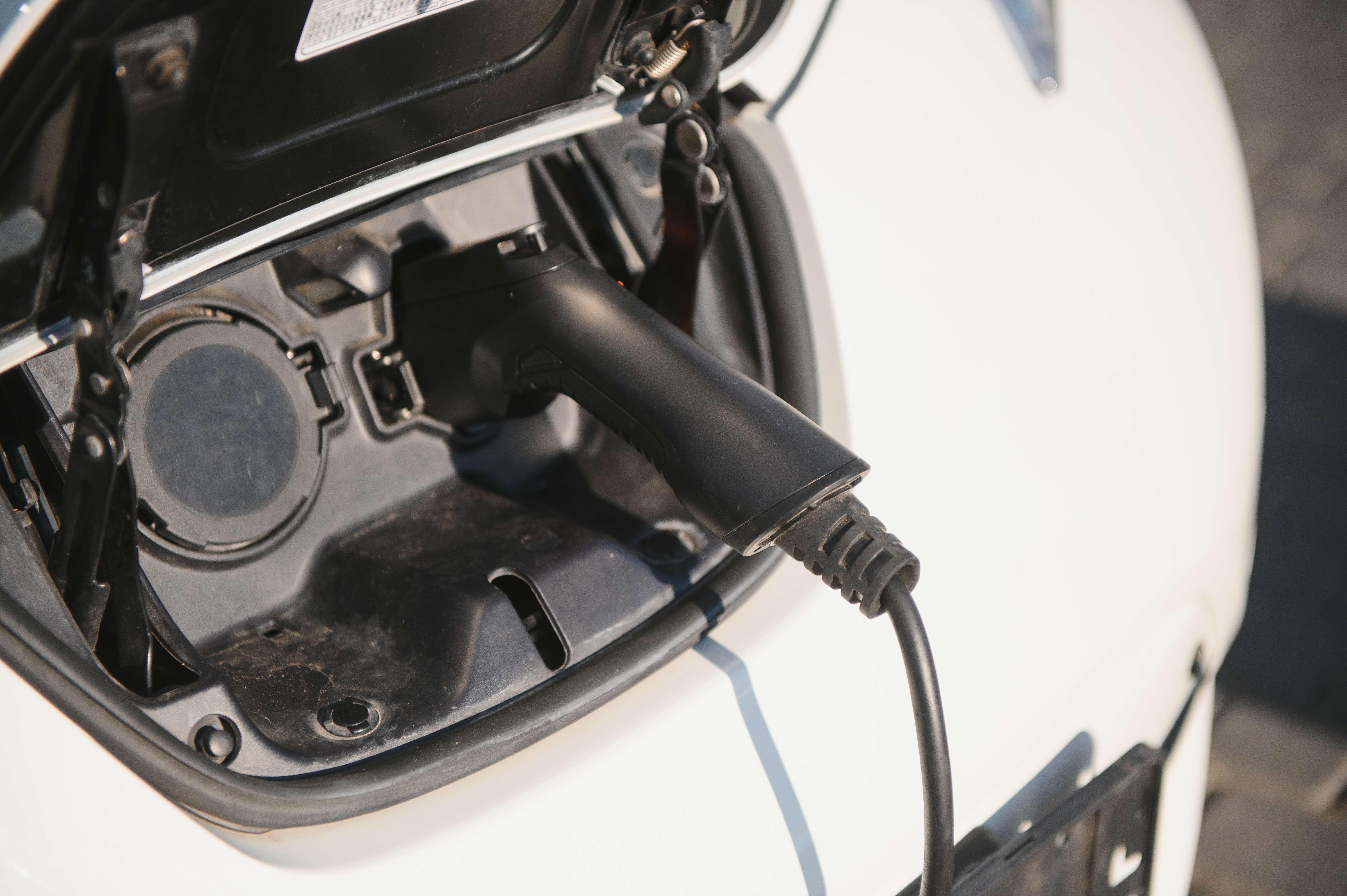
Nigeria could need about 1,600 EV chargers and 21,000 battery-swapping stations by 2040, and as many as 24,000 combined stations by 2060 under a business-as-usual scenario, according to a new report by clean energy non-profit RMI released in Lagos on August 28.
The report, titled "Developing Nigeria's Charging Infrastructure," outlines how policy and investment could support the rollout of charging infrastructure needed to keep pace with the country's growing electric vehicle (EV) market.
Nigeria had an estimated 20,000 EVs on the road in 2025, RMI said, with adoption gaining momentum across multiple vehicle segments. Under a more optimistic adoption scenario, the number of chargers and swapping stations needed by 2060 rises sharply to 207,000.
"The economics of EV adoption depend not only on the cost of the vehicle, but the cost to keep it fueled. Affordable and reliable electric mobility will depend on how quickly, and how effectively, charging infrastructure can keep pace with adoption," said Suleiman Babamanu, RMI's Africa Energy Programme Director.
Residential charging and power demand set to surge
RMI's analysis found that residential charging alone could require a further 79,000 Level 2 chargers, devices capable of charging an EV faster than a standard household outlet, by 2060 under the business-as-usual scenario.
In the optimistic scenario, that figure rises to 1.6 million Level 2 residential chargers.
Annual electricity demand from EV charging in that scenario could climb to 1,200 gigawatt-hours by 2040 and 43,100 gigawatt-hours by 2060, a scale of demand growth that would require corresponding investment in generation and grid capacity.
The report examines interventions in policy, regulation, financing and business models that could lower the cost and risk of deploying charging infrastructure, improve reliability and accessibility, and help attract private capital to scale alongside Nigeria's expanding EV market.
Report builds on a growing EV push in Nigeria
The findings add to a broader push already under way to grow Nigeria's EV sector. RMI has been supporting the effort through its Drive Electric Campaign, which focuses on developing a supportive EV policy framework, expanding access to affordable financing and charging infrastructure, and building corporate and consumer engagement.
In April 2025, the organisation hosted an "Accelerating Nigeria's EV Transition" workshop that brought together more than 30 stakeholders from government, industry and finance to identify next steps for boosting adoption.
Momentum has been building on the commercial side too. Nigeria's EV charging station market was valued at $1.24 billion in 2025 and is projected to grow at a compound annual rate of 27.4% to reach $13.97 billion by 2035, according to market research firm Expert Market Research.
Growth is being driven partly by the gradual removal of fuel subsidies and rising diesel prices, which are pushing logistics and ride-hailing fleets toward electrification, as well as by Nigeria's heavy petroleum import bill, which stood at $25 billion in 2023.
In February 2026, Nigeria's first locally assembled electric SUV, the Hyundai Kona, was inaugurated at Stallion Group's VON plant in Lagos, while Lagos State transport authorities have also been testing electric buses.
RMI's report did not specify how much investment would be required to build out the charging network it projects, leaving open how much of the funding gap policymakers and private financiers will need to close in the years ahead.
Related Stories
Sign up for our newsletter.
Get the latest news, expert analysis, and industry insights delivered straight to your inbox. Join thousands of professionals shaping the future of energy.
By submitting my information, I agree to the Privacy Policy and Terms of Service.