Renewables
ePointZero Buys 90% of Nigeria-Based IPP Azura Power
Gulf capital is deepening its footprint in African power generation as ePointZero moves to acquire one of the continent's established gas-fired IPPs.
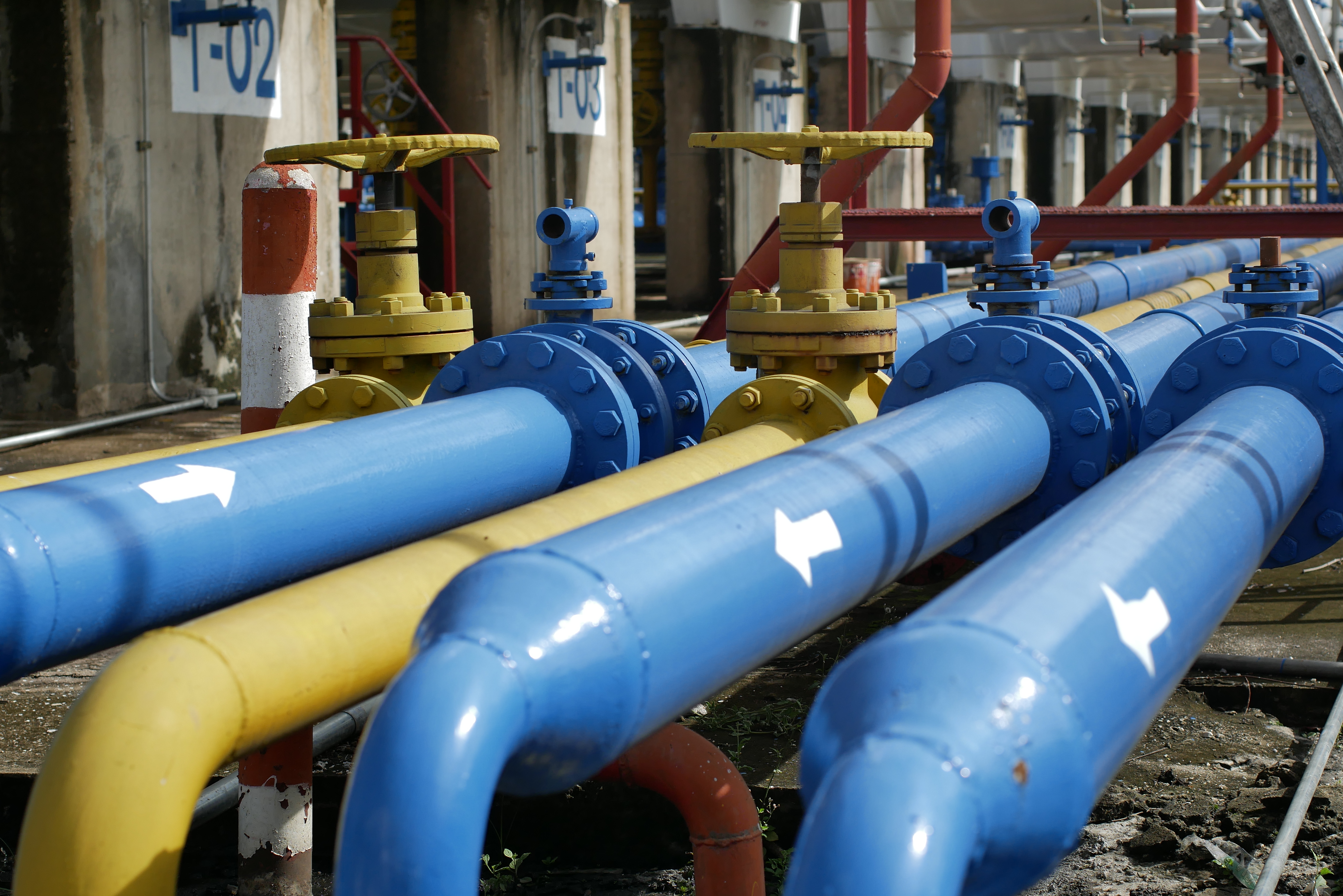
Gulf-based investor ePointZero is entering African power generation with the purchase of a 90% stake in Azura Power Holdings, an independent power producer whose three gas-fired plants in Nigeria, Senegal and Mozambique together supply 752 megawatts of electricity.
ePointZero, a subsidiary of Abu Dhabi's 2PointZero Group, is buying out the shares held by two of Azura's existing backers, the private equity firm Actis and the infrastructure investor Africa50. The purchase runs through a new acquisition vehicle formed with Amaya Capital, the firm that founded Azura and will hold onto a 10% stake once the deal closes. Neither company disclosed the value of the transaction, which still needs regulatory sign-off before it can be finalised.
At the centre of the deal is Azura's largest asset, the 461-MW Azura-Edo gas plant in Nigeria. The company's remaining capacity comes from the 116-MW Tobene plant in Senegal and the 175-MW Central Termica de Ressano Garcia plant in Mozambique. Each facility sells its output under a long-term power purchase agreement, a contract that locks in a buyer for the electricity generated and gives the plant owner predictable, guaranteed revenue for years at a stretch, a structure that has made gas-fired IPPs an attractive asset class for infrastructure investors.
More than 1.5GW of projects still to be built
What may have made Azura particularly attractive to ePointZero is not just its current output but what it has yet to build. The company is sitting on a development pipeline exceeding 1.5 gigawatts across gas, renewables and battery storage, projects that, once operational, would more than double Azura's existing capacity.
ePointZero framed the purchase as part of a broader African strategy rather than a standalone move. The company already holds a strategic stake in Elsewedy Electric, an industrial and engineering, procurement and construction group, and said the Azura deal builds on that position to strengthen its reach across African energy and infrastructure more broadly.
The transaction adds to a pattern of Gulf capital moving into African power markets, where gas-fired capacity and renewable pipelines have increasingly drawn investors looking for long-term, contracted returns on the continent.
Related Stories
Sign up for our newsletter.
Get the latest news, expert analysis, and industry insights delivered straight to your inbox. Join thousands of professionals shaping the future of energy.
By submitting my information, I agree to the Privacy Policy and Terms of Service.