Power
Eskom Removes 49 Transformers, 20,000m Cables in Power Theft Crackdown
Eskom's Lion Park crackdown exposes the wider challenge of illegal power connections, land-use disputes and efforts to establish a lawful electricity supply.
Eskom has removed 49 transformers and more than 20,000 metres of electricity cables from Lion Park in Pietermaritzburg after disconnecting illegal power connections that the utility says cost it about R14 million annually in stolen electricity.
The operation, carried out on 15 and 16 July following a Pietermaritzburg High Court order, targeted illegal electricity infrastructure serving more than 1,400 homes in the community.
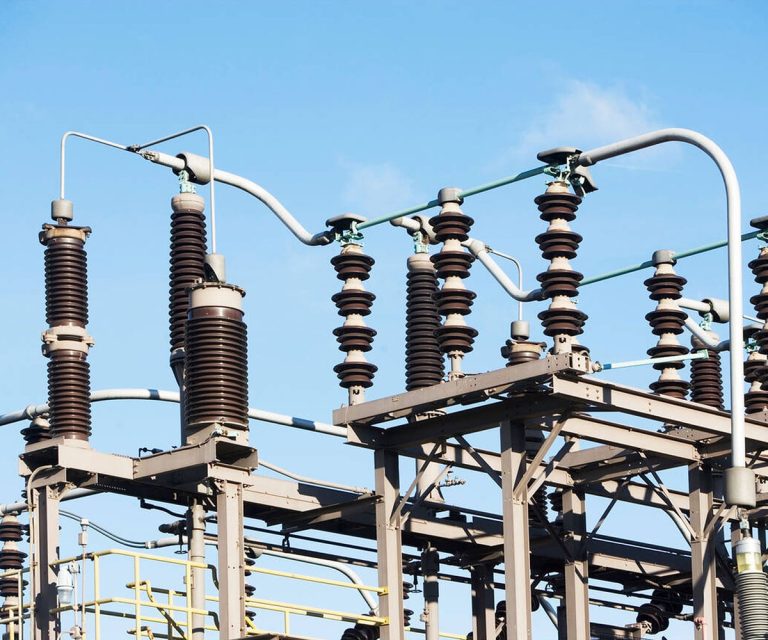
Eskom Industry and Stakeholder Management Manager Joyce Zingoni said the utility removed more than 20,000 metres of aluminium and bundled conductors, 49 transformers, tonnes of illegally installed poles and other electricity infrastructure during the operation.
The crackdown highlights the challenge Eskom faces in extending lawful electricity supply to communities where illegal connections have become entrenched, particularly in areas where land-use and planning restrictions complicate formal electrification.
The utility clarified that the Lion Park area is currently designated as agricultural land, meaning it cannot be electrified through a government-funded household electrification programme.
Residents turn to bulk electricity option
The operation was preceded by stakeholder engagements and planning, but tensions escalated when Eskom teams arrived on 15 July.
Residents reportedly blocked the MR477, the only road into the village, with burning debris and stones. Police and private security personnel accompanying the Eskom team eventually brought the situation under control, allowing the disconnection to proceed.
Eskom has proposed an alternative arrangement under which it would supply electricity in bulk to the Azibuye Emasisweni Amaqhamu Community Trust. The trust would then be responsible for paying a consolidated bill and distributing electricity among households.
The arrangement would require the trust to fund the bulk electricity installation. Eskom has prepared draft estimated quotations and said the trust must submit a formal application before the utility can carry out technical assessments, issue final quotations and provide implementation timelines.
Eskom noted that implementation would proceed after the trust accepts the quotations and pays the required charges.
The proposal has previously faced resistance from residents and the trust, who argued that households consume different amounts of electricity and should not be placed under a shared billing arrangement.
However, trust chairperson Mlungisi Khanyezi said residents had reconsidered their position after being left without electricity and following the High Court's rejection of the trust's application to stop the disconnection.
The shift could pave the way for a formal electricity supply arrangement, although the trust must still complete the application process and meet Eskom's financial and technical requirements.
Land dispute adds to electricity challenge
The electricity dispute is also tied to a broader disagreement over ownership and development of the land on which Lion Park was established.
The more than 1,400 homes, many of them large multi-storey properties, stand on land placed under the control of the Azibuye Emasisweni Amaqhamu Community Trust following a restitution claim involving several former farmers.
The occupation and management of the land remain contested. Mr Khanyezi alleged that some plots were sold without the knowledge of most beneficiaries of the land restitution claim.
He also accused a traditional leader and some members of the trust's board of selling plots and diverting proceeds into private accounts. He said the trust's bank account was no longer operational.
The allegations have not been independently verified.
According to Mr Khanyezi, the original vision was to develop the land into a commercial hub, including an airport, but the development of residential properties and disputes over land sales have complicated the community's plans.
Eskom maintenaned that it remained willing to work with the trust and other stakeholders to establish a lawful and sustainable electricity supply arrangement for Lion Park.
The utility's position is that a formal bulk supply agreement could provide a route back to legal electricity access, but the community must first meet the requirements for the installation and financing of the infrastructure.
Related Stories

Sign up for our newsletter.
Get the latest news, expert analysis, and industry insights delivered straight to your inbox. Join thousands of professionals shaping the future of energy.
By submitting my information, I agree to the Privacy Policy and Terms of Service.