Power
Strong Customers, Not Government Grids, Now Power Africa's Solar Boom
Steel, water, and food firms across Africa are funding their own solar plants, no grid, no government backing needed.
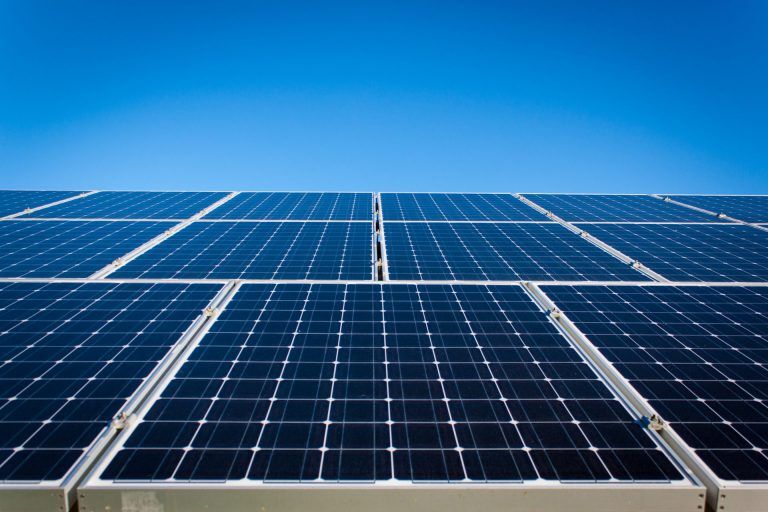
A steel company in Niger State, a water utility in Senegal, and four Nestlé factories across three countries have each begun building their own solar power plants in the past month, all bypassing national electricity grids because their own creditworthiness, not government backing, now attracts lenders.
Abuja Steel Mills broke ground on a dedicated 200MW solar farm at Sabon Wuse, north of Abuja, in late June. SEN'EAU and TotalEnergies inaugurated 21MW across two water sites in Senegal on 2 July.
Daystar Power confirmed 6.884MWp running at four Nestlé plants ten days before that. The three projects, together, show why lenders are choosing to finance power plants built for one paying customer rather than for a national grid.
A steady customer outweighs a government guarantee
A concession holder that supplies water to 8.4 million people, or a food manufacturer working towards a corporate climate target, gives a lender a customer who will pay every month without fail.
This kind of buyer needs no government guarantee standing behind the loan. The power made at these sites is also used on the spot, so there is no queue to join a national grid and no separate charge for moving electricity across it.
This is the plain reason steel plants and water utilities across Africa can now borrow money for solar power that governments alone could not always secure for public grids.
Niger State handed 500 hectares of land to Abuja Steel Mills at Sabon Wuse, a subsidiary of African Industries Group that has worked in Nigeria since the early 1970s under chairman Raj Gupta, for a steel plant and industrial park to run on its own 200MW solar farm, built to work without the national grid.
Governor Mohammed Umaru Bago announced a further 200,000 hectares set aside for industrial investment. The company calls the plant the largest solar-powered steel operation in sub-Saharan Africa, though it has not given the cost or a finish date.
Nigeria's power minister, Joseph Tegbe, said his government was working to fix the problems that had turned electricity into "a source of national frustration rather than national productivity."
The numbers behind the trend
In Senegal, 18,300 panels at Keur Momar Sarr and 15,300 panels at Méouane now cover up to 32 per cent of the power used by the country's largest drinking water production site and the Mékhé booster station, cutting an estimated 27,700 tonnes of carbon dioxide a year.
Daystar Power's 6.884MWp for Nestlé, split across sites in Abidjan, Tema, and Dakar, sits alongside new deals this year for a cement maker in Côte d'Ivoire and an agribusiness in Ghana. Daystar had 32MW installed when Shell bought it in 2022; it now runs more than 150MW across some 400 sites.
The Global Solar Council's Africa Market Outlook for Solar PV 2026 to 2029 recorded a 54 per cent jump in Africa's installed solar capacity in 2025, with plants built for single business customers making up 44 per cent of that rise, a figure the Council itself says undercounts the real total.
AFSIA traces roughly 85 per cent of the capacity missing from official tracking to this same business segment. Steel furnaces, water pumps, and food factories now share one thing: each has become a bank's preferred customer for power that no longer needs a government's word behind it.
Related Stories
Sign up for our newsletter.
Get the latest news, expert analysis, and industry insights delivered straight to your inbox. Join thousands of professionals shaping the future of energy.
By submitting my information, I agree to the Privacy Policy and Terms of Service.